Culturally Responsive Teaching in Personalized Education Settings: The Paradox
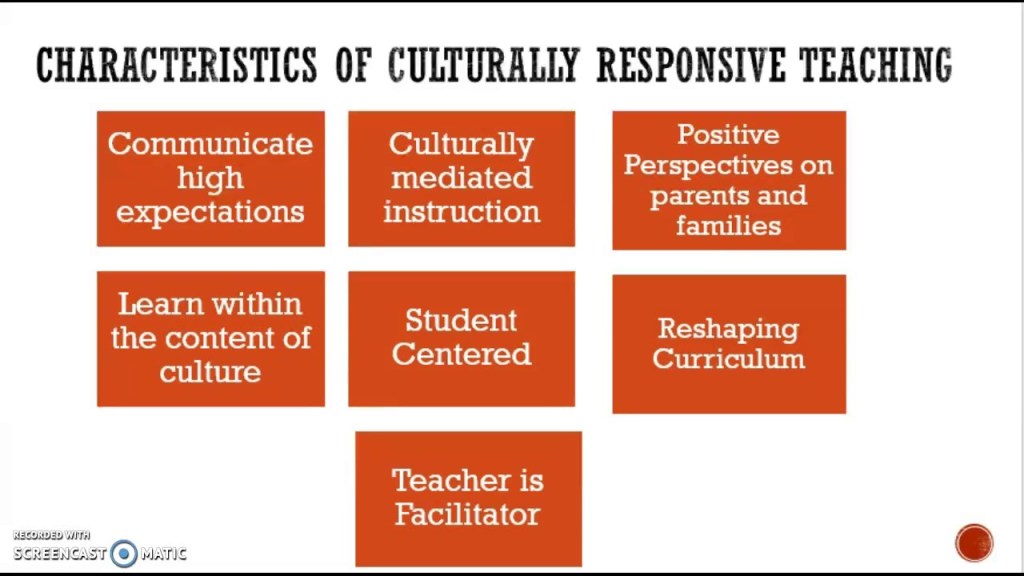
The world is becoming more diverse, and this diversity has found its way into our classrooms. Culturally responsive teaching (CRT) aims to help students from different cultures feel valued and included in the classroom setting. This approach recognizes that culture affects how we learn and interact with others.
Personalized education settings are a relatively new phenomenon that allows students to tailor their learning experience to suit their individual needs. It’s easy to see why CRT would be particularly important in personalized education settings since it seeks to address the unique needs of each student.
However, the implementation of CRT within personalized education settings presents a paradox that can’t be ignored. On one hand, there’s a need for culturally responsive teaching strategies to ensure equity among all learners. But on the other hand, personalized education emphasizes individualization which could undermine the very tenets of CRT.
So how do you balance both approaches? Let’s explore this paradox further:
The Paradox:
In personalized education settings, students have greater autonomy over what they learn and how they learn it. They can choose topics that interest them or areas where they struggle and receive tailored support.
But when it comes to cultural responsiveness, emphasizing individualism could perpetuate inequality instead of promoting equity as intended by CRT.
For example, imagine two students who come from different cultural backgrounds struggling with similar content areas; say mathematics or science class. A teacher might personalize instruction for each student based on their strengths and weaknesses without considering the cultural differences at play here.
This approach might mean ignoring any potential cultural barriers that the student may face while learning these subjects or any unconscious biases teachers might hold about certain groups’ abilities.
Therefore if educators emphasize personalization too much without considering culture factor, then they risk overlooking some significant issues associated with culturally relevant pedagogy.
The Solution:
To overcome this paradox between personalized education and CRT, we need an integrated approach where both strategies are combined to create a cohesive learning experience that prioritizes equity and individualization.
Here are some ways to achieve this:
1. Cultural Awareness:
Teachers need to be aware of the cultural backgrounds of their students, including the group’s histories, beliefs, values, norms, and traditions. This awareness helps them understand how culture might influence student learning and behavior in class.
By recognizing these differences between students, teachers can tailor instruction based on their needs while still being mindful of their cultural identities.
2. Culturally Responsive Pedagogy:
Culturally responsive pedagogy (CRP) is a teaching approach that acknowledges the importance of culture in education. CRP encourages educators to incorporate culturally relevant materials and instructional strategies into lesson plans.
For example, incorporating texts written by authors from diverse backgrounds or using examples from different cultures when teaching subjects like history or literature can help students feel seen and heard in the classroom setting.
3. Student Choice & Agency
Giving learners autonomy over what they learn and how they approach it is one of personalized education’s hallmarks.
However, we need to ensure that this choice promotes equity instead of perpetuating inequality.
For instance, if two students come from different cultural backgrounds but struggle with similar content areas such as math or science; then each should have access not only to tailored instruction but also appropriate resources that support their unique needs without ignoring any potential barriers associated with their culture.
4. Inclusivity
Inclusive classrooms promote diversity by creating an environment where all learners feel valued regardless of their background.
This means promoting open communication channels among educators and families about race-related issues or concerns within the school context—strategies like paying attention during parent-teacher conferences or holding community forums provide opportunities for everyone involved with schooling settings’ decision-making processes.
Conclusion
The paradox between personalized education settings and CRT underscores how complex it is to create equitable educational experiences for every student when addressing cultural differences across diverse groups. The key to reconciling these two approaches is finding ways to integrate them so that they complement each other rather than competing against one another.
Teachers must be aware of their students’ cultural backgrounds and incorporate CRP techniques into their teaching strategies while still providing opportunities for student autonomy, agency, and inclusivity in the learning process. With this approach, we can ensure that personalized education settings are both culturally responsive and equitable at the same time.
 Alternative Amie
Leave a comment