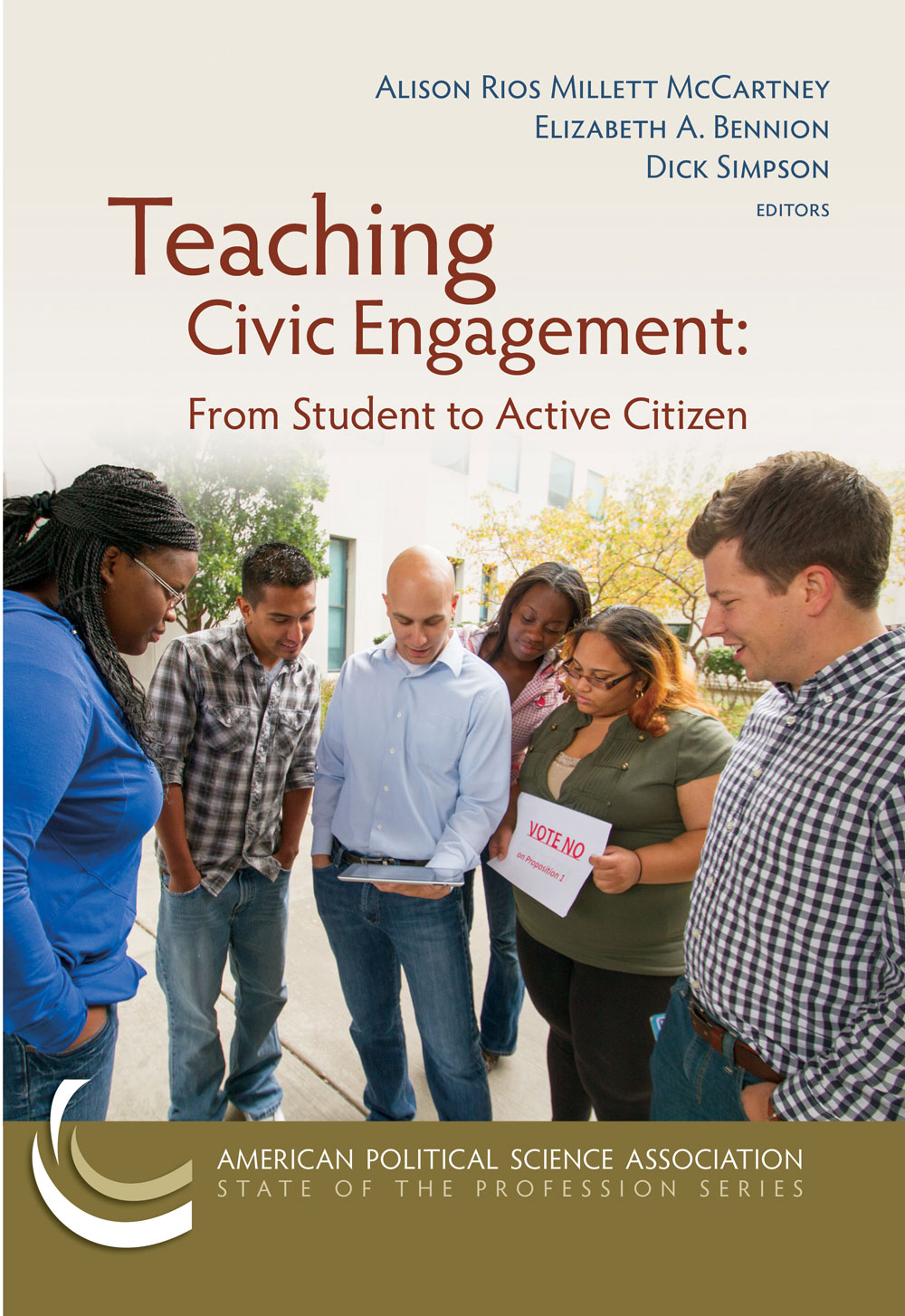
Civic engagement, defined as the active participation of individuals in their community and democracy, is crucial for a healthy society. Engaged citizens can bring about positive change through civic activities such as voting, volunteering, and advocacy.
Alternative schooling and education provide an ideal platform for promoting civic engagement among students. Students who attend alternative schools often have more autonomy over their learning experience and are encouraged to think critically about social issues. These factors can help foster a sense of responsibility towards their community and inspire them to take action.
One way that alternative schools promote civic engagement is through service-learning opportunities. Service-learning combines classroom instruction with community service to provide students with practical experience in addressing real-world issues. This hands-on approach helps students develop skills such as leadership, communication, and problem-solving while also making a positive impact on the community.
Another way alternative schools promote civic engagement is by providing opportunities for student-led initiatives. Students are encouraged to identify problems within their communities and work together to find solutions. For example, students might organize a fundraising event or start a recycling program at school.
Alternative schools can also teach young people how to be effective advocates for causes they care about. By teaching research skills, public speaking techniques, and persuasive writing strategies, students learn how to make compelling arguments that can influence policymakers or sway public opinion.
Teachers play a critical role in fostering civic engagement among their students by modeling active citizenship themselves. Teachers who engage in activities like attending city council meetings or volunteering in local organizations set an example for their students that shows them the importance of being involved in one’s community.
Parents also play an important role in promoting civic engagement among children by encouraging them to participate in activities outside of school that support causes they care about or volunteer regularly at local organizations themselves as family values rub off on kids easily when they see it from parents first hand.
In conclusion, alternative schooling provides an outstanding opportunity for promoting civic engagement among young people. Through service-learning projects, student-led initiatives, and advocacy training, students can learn the skills they need to be effective community members. Teachers and parents also have a role to play in modeling active citizenship and encouraging their children/students to get involved in civic activities. By fostering a sense of responsibility towards one’s community and democracy, alternative schools can help prepare young people for a lifetime of engaged citizenship.
 Alternative Amie
Leave a comment