Critical Thinking: A Key Skill for Alternative Education
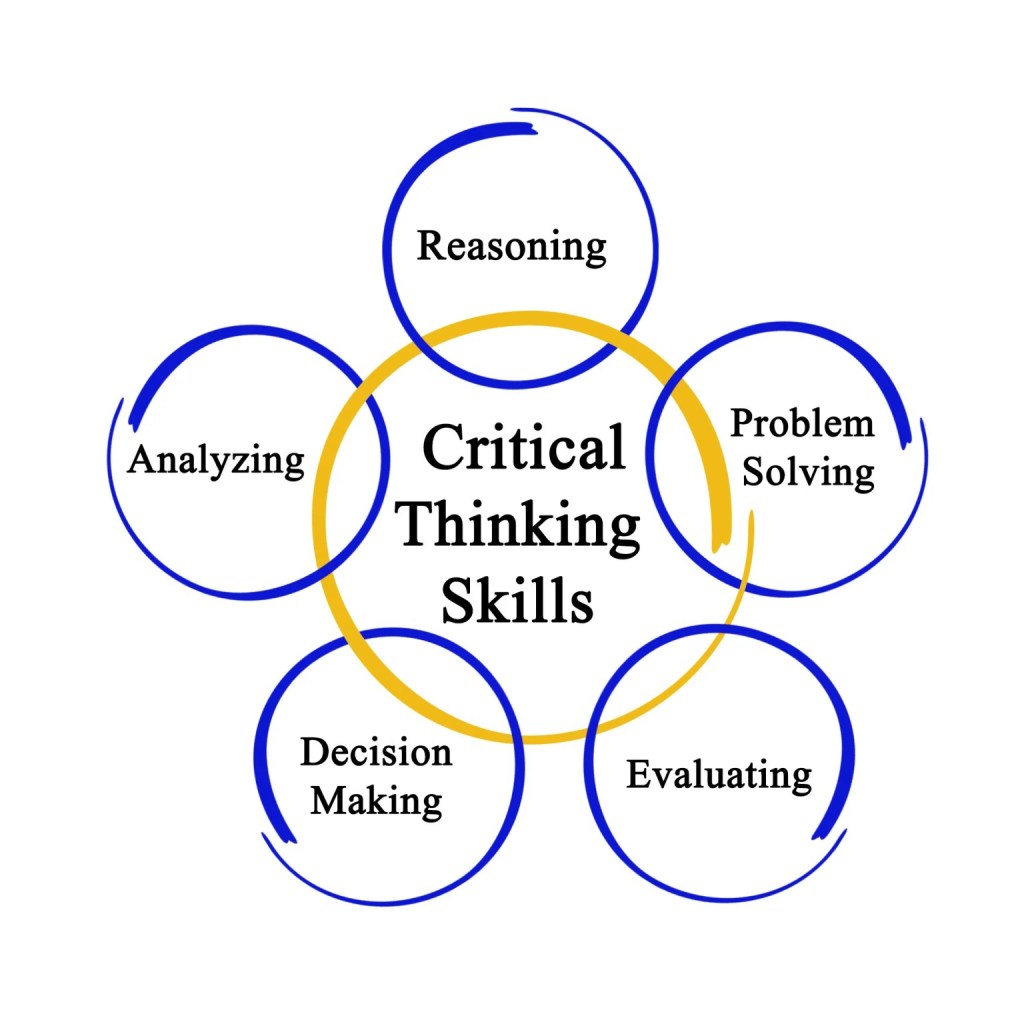
In the world of alternative education, critical thinking is a key skill that students must have to be successful. Critical thinking is not just about being able to analyze a situation or problem; it’s also about being able to evaluate information, identify biases and assumptions, and make decisions based on evidence. This type of thinking is essential in today’s complex and fast-paced world where students need to be prepared for challenges that require them to think independently.
What Is Critical Thinking?
Critical thinking can be defined as the ability to objectively analyze information, evaluate it against other sources of information, and come up with a logical conclusion or solution. It involves questioning assumptions, considering multiple perspectives, analyzing data and evidence, recognizing patterns and connections between facts, making informed judgments based on evidence rather than emotion or personal bias.
Benefits of Critical Thinking
The benefits of critical thinking are numerous. By developing this skill set in their students through alternative education methods like project-based learning (PBL), educators can help their learners develop:
1. Better Decision Making: Students who are trained in critical thinking tend to make better decisions because they base them on objective reasoning rather than emotions or biases.
2. Improved Problem Solving Skills: The ability to analyze problems from different angles helps learners find effective solutions more easily.
3. Enhanced Communication Skills: When individuals learn how to think critically they become more confident communicators as they can articulate their thoughts clearly while taking into account counterarguments.
4. Increased Creativity: Through critical analysis comes the ability to see things differently which leads towards innovative ideas and new paths forward.
5. Greater Empathy & Tolerance: People who are skilled in critical analysis recognize that there may be multiple points-of-view regarding an issue which leads towards greater empathy for others’ experiences along with increased tolerance towards differences among individuals.
Teaching Critical Thinking
Teaching critical thinking requires much more than lecturing or providing a set of rules to follow. It requires an active, hands-on approach that engages students in the process of learning how to think critically. Here are some ways educators can help students develop critical thinking skills:
1. Encourage Questioning: To foster critical thinking, teachers should encourage their learners to ask questions about everything they encounter.
2. Provide Opportunities for Collaboration: Collaborative projects such as group discussions and debates provide opportunities for students to share ideas and perspectives while also considering others’ viewpoints.
3. Promote Reflection: By encouraging reflection on activities or assignments, educators can help learners identify their biases or assumptions regarding situations and work towards more objective conclusions.
4. Evaluate Sources: Students need guidance when it comes to evaluating the quality of sources they use for research projects; this includes understanding what makes a source credible and reliable.
5. Foster Intellectual Curiosity: Teachers should strive towards building an environment that supports intellectual curiosity by providing resources, access to experts in different fields, and encouraging independent research amongst their learners.
Alternative Education & Critical Thinking
In alternative education settings like homeschooling or unschooling environments where there is no formal curriculum provided by traditional institutions, it becomes even more important for students to develop critical thinking skills because they won’t have access to pre-set lesson plans or standardized tests that measure progress against predetermined benchmarks.
Alternative education methods like PBL offer rich opportunities for developing these skills because they require students to engage with complex problems that don’t have straightforward solutions rather than simply memorizing facts from textbooks which is often the case with conventional educational models.
PBL allows learners freedom in choosing topics of interest thus allowing them greater ownership over their learning experience which leads towards greater engagement within the classroom along with increased motivation towards achieving goals set forth by themselves rather than being told what is expected from them by others.
Conclusion
Critical thinking is an essential skill in today’s world where information overload puts pressure on individuals trying to make sense out of complex situations. Alternative education methods provide unique opportunities for developing this skill set as they encourage inquisitive exploration of the world around us while also promoting independence and self-direction.
By prioritizing critical thinking within alternative education settings, educators can prepare their learners to be successful in a wide range of careers that require them to think creatively, make informed decisions based on evidence rather than emotion or bias, communicate effectively with people from diverse backgrounds, and adapt to changing circumstances quickly.
 Alternative Amie
Leave a comment