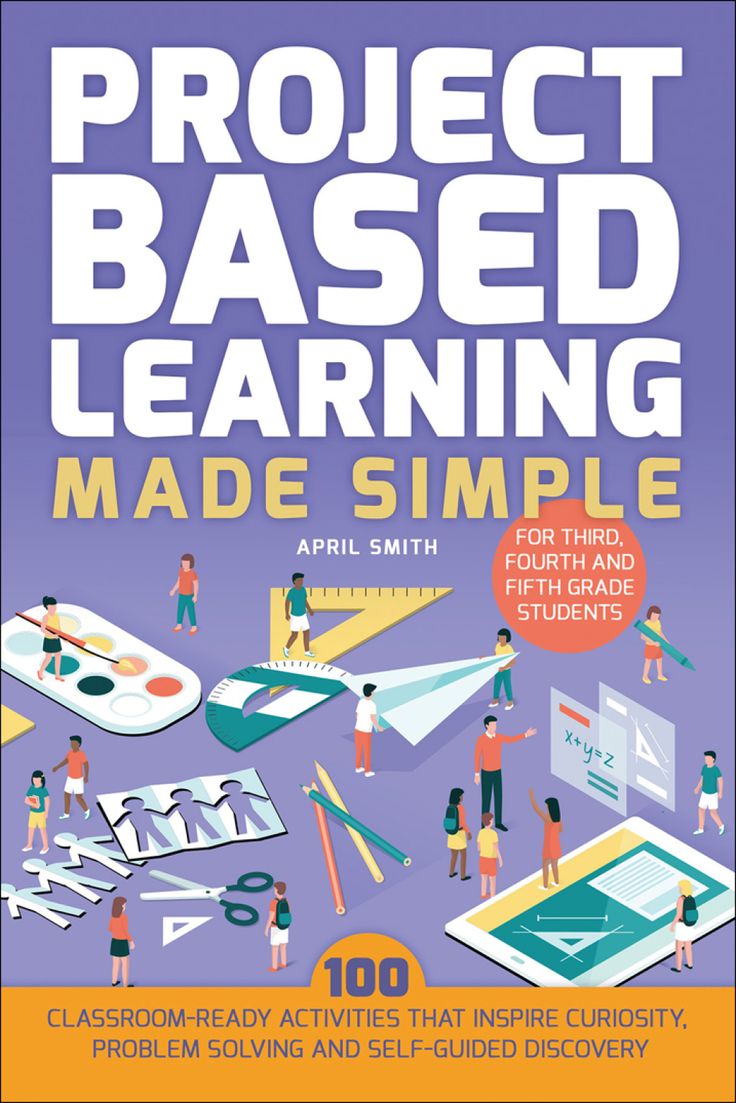
Project-Based Learning: An Alternative Approach to Education
Education is a vital aspect of every society. It is through education that individuals acquire knowledge and skills that are necessary for their personal growth and development, as well as the progress of society at large. However, the traditional approach to education has often been criticized for its rigidity and lack of innovation.
In recent years, there has been a growing interest in alternative approaches to education, one of which is project-based learning (PBL). Project-based learning is an innovative teaching method that emphasizes active learning through hands-on projects or activities. This approach differs from traditional classroom instruction in which students learn passively by listening to lectures or reading textbooks.
What Is Project-Based Learning?
Project-based learning is a student-centered approach that allows learners to explore real-world problems or topics through collaborative projects or tasks. In this method, students work together in groups to solve complex problems by asking questions, gathering information, and applying critical thinking skills.
The goal of PBL is not just about completing a project but also about developing essential life skills such as communication, collaboration, creativity, critical thinking and problem-solving abilities which are important in the 21st century workforce. Unlike traditional methods where teachers provide all the answers for students’ questions; PBL encourages learners to take ownership of their own learning process.
Key Elements Of Project-Based Learning:
1) Real-world relevance
2) Student choice
3) Collaboration
4) Critical thinking
5) Reflection
Benefits Of Project-Based Learning:
1) Improves retention:
Research shows that project-based learning improves long-term retention compared with traditional methods because it makes connections between content and real-life situations.
2) Enhances critical thinking:
PBL helps develop higher-order cognitive skills such as analysis, synthesis and evaluation among learners making them better problem solvers on any given task.
3) Fosters teamwork:
Collaboration among peers fosters effective communication strategies while working together on a project.
4) Encourages creativity:
PBL encourages learners to think outside the box and come up with innovative solutions to real-world problems.
5) Builds a sense of ownership:
Students take responsibility for their learning, which gives them an opportunity to take ownership of their work and be proud of what they have accomplished.
6) Improves social skills:
Working in groups helps students develop better people skills such as communication, collaboration, empathy, and respect for others’ ideas.
7) Helps learners become self-directed:
PBL allows students to be more autonomous in their learning process by giving them more control over what they learn and how they learn it.
Challenges Of Project-Based Learning:
While PBL has numerous benefits that make it an attractive alternative approach to education, there are also some challenges associated with this method. Here are some common roadblocks:
1) Time management: The complexity of projects can be daunting making time management challenging both for teachers and students alike.
2) Assessment: Assessing student performance can be difficult because PBL emphasizes process over content mastery. It is often hard to measure progress using summative assessments alone.
3) Resources: PBL requires access to resources such as technology or materials that may not always be available in every classroom setting.
4) Student engagement: Some students may struggle with the independence required by project-based learning leading to disengagement from the project itself.
Conclusion
Project-based learning (PBL), despite its challenges, remains an effective alternative approach to traditional classroom instruction. By providing opportunities for active learning through hands-on experiences that are relevant beyond the classroom walls; PBL helps prepare learners with essential life skills needed for success in today’s workforce while fostering positive attitudes towards lifelong learning.
As educators continue searching for ways to improve student outcomes; Project-Based Learning emerges as one promising approach worth exploring at all levels of education – primary school through higher education institutions.
 Alternative Amie
Leave a comment