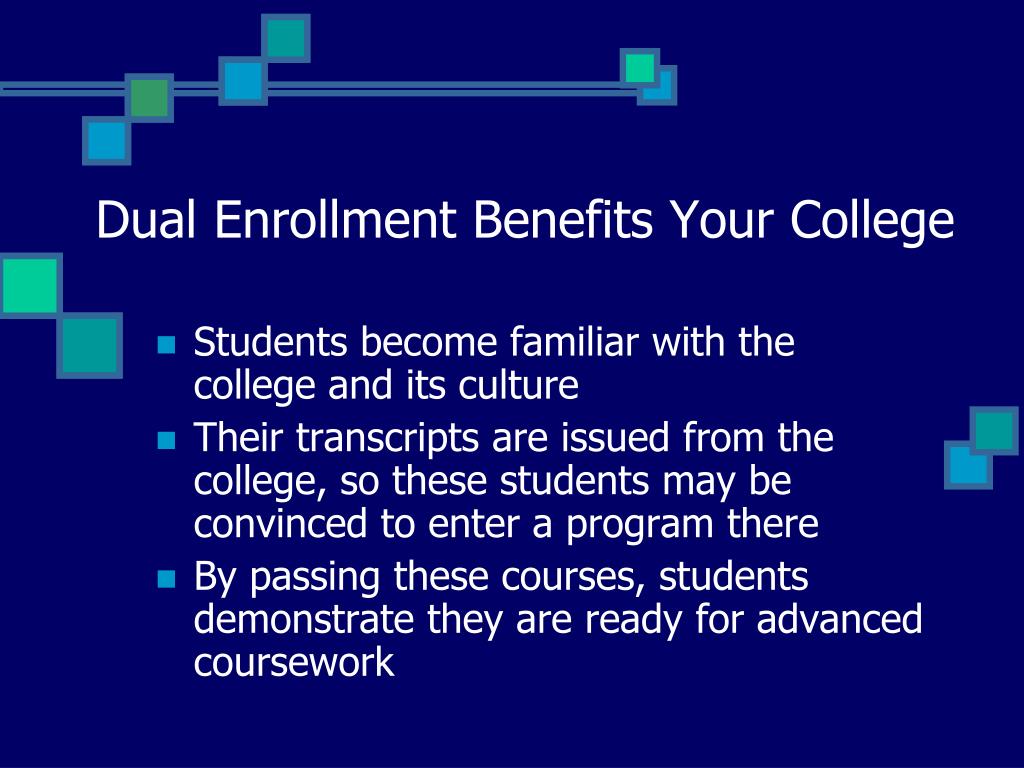
As the education landscape continues to evolve, students and parents are increasingly seeking out alternative paths to traditional high school graduation. One of these paths is dual enrollment, which allows high school students to take college-level courses while still enrolled in high school. This approach can offer many benefits, but it also raises questions about academic rigor and preparation for college.
First, let’s consider the advantages of dual enrollment. For motivated students who want to get a head start on their college education, taking classes at a local community college or university can be an excellent way to do so. Not only does this give them exposure to higher-level coursework and more challenging material, but it can also save them time and money down the road by allowing them to earn credits that will transfer towards their future degree.
In addition, dual enrollment can help students develop important skills that they may not have had the opportunity to cultivate in a traditional high school setting. College courses tend to be more independent than high school classes, requiring students to manage their own schedules and deadlines while balancing multiple assignments at once. This level of responsibility can foster greater self-discipline and time management skills that will serve them well later on.
However, some critics argue that dual enrollment programs may sacrifice academic rigor in favor of making college credits more accessible for high schoolers. They worry that colleges might water down their curriculum or lower expectations for younger students in order to make sure they pass.
While this concern is understandable, research suggests that such fears may be unfounded. A recent study by the National Bureau of Economic Research found no evidence that participation in dual-enrollment programs led to any significant changes in course content or quality at partner colleges.
Moreover, many colleges hold strict standards when it comes to admitting dual-enrollment students into their programs—requiring minimum GPAs or test scores—and expect them perform just as well as any other incoming freshman would.
That said, there are certainly potential downsides for some students to consider before jumping into a dual enrollment program. For one, taking on college-level courses while still in high school can be a significant challenge—especially if they are not prepared for the increased workload and academic expectations.
Moreover, students who participate in dual enrollment may miss out on some of the social or extracurricular aspects of traditional high school life that can be important for personal growth and development. If they are spending most of their time in college classes, they may not have as much time to participate in sports teams, clubs or other activities that help them develop important leadership and teamwork skills.
Finally, it’s worth noting that not all dual-enrollment programs are created equal. Some colleges or universities may offer more rigorous courses than others; some schools might have better support systems or resources for their dual-enrollment students than others do.
Given these potential trade-offs, it’s essential for students and parents to carefully evaluate whether dual enrollment is the right choice for them based on their individual goals and needs. For example, if a student is highly motivated academically and wants to get a head start on earning college credits while still in high school, then dual enrollment could be an excellent option.
On the other hand, if a student thrives more in traditional classroom settings with teacher guidance and peer interaction —or has aspirations beyond just getting ahead academically—it might make sense to stick with regular coursework until graduation.
At its core though, dual enrollment offers many benefits by providing advanced opportunities for students that will allow them to get ahead academically while saving money at the same time. It also helps provide exposure to real-world scenarios that require self-discipline which will ultimately benefit future careers. As long as they approach this path thoughtfully—weighing both pros and cons along with understanding how different programs operate—they stand poised to reap numerous rewards from participating in these programs later on down the road when attending college full-time becomes their reality.
 Alternative Amie
Leave a comment