Holistic Education: A Path to Developing the Whole Child
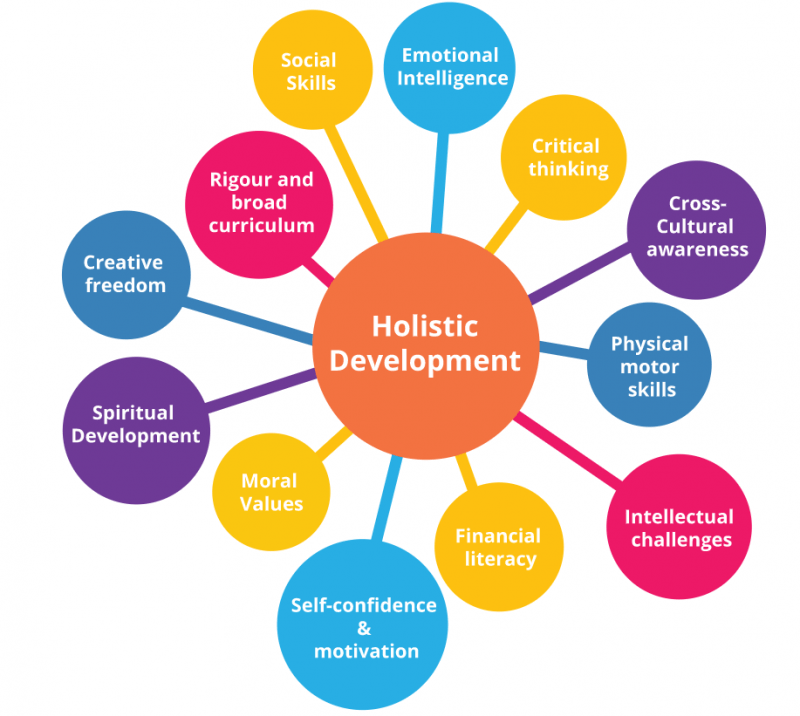
As a writer and journalist with a passion for education, I firmly believe that the traditional approach to schooling has significant limitations. It often fails to address the unique learning needs of every child, focusing instead on standardized tests and rote memorization. This is where holistic education comes in as an alternative approach that seeks to nurture the whole child- intellectually, emotionally, socially, physically and spiritually.
Holistic education recognizes that children learn differently and require individualized attention. This means providing them with opportunities to explore their interests and passions while encouraging critical thinking skills in a supportive environment. The curriculum is designed around real-life experiences rather than textbooks alone.
At its core, holistic education aims at developing well-rounded individuals who are not only proficient academically but also have valuable life skills such as creativity, problem-solving abilities, empathy and emotional intelligence.
One important aspect of holistic education is social-emotional learning (SEL). SEL helps students develop self-awareness, self-management skills and social awareness which are all vital qualities for success in school and beyond. In addition to academic subjects like math or science; art therapy or meditation may be incorporated into daily routines as part of this process.
Another key element of holistic education is experiential learning which allows students to put theory into practice through hands-on activities outside the classroom setting. For example, nature hikes can teach children about biology while community service projects can instill civic responsibility values.
In contrast to traditional schools where grades usually dictate student success; evaluation methods used by holistic educators focus on personal growth rather than comparison between students. Instead of grades being seen as a measure of performance towards specific standards; they’re viewed more holistically – taking into account other factors such as effort levels or engagement in class discussions.
Finally yet importantly; it’s worth noting that Holistic Education encourages lifelong learning by promoting curiosity within learners even after formal schooling ends – whether it be through self-education or by seeking further education opportunities.
In conclusion, Holistic Education is a promising approach to schooling that caters for the needs of every child. It fosters individualized learning and helps develop well-rounded individuals who are not only proficient academically but also have valuable life skills such as creativity, problem-solving abilities, empathy and emotional intelligence. The approach recognizes that students’ growth should not just be limited to academic success but should encompass other essential aspects of their lives.
 Alternative Amie
Leave a comment