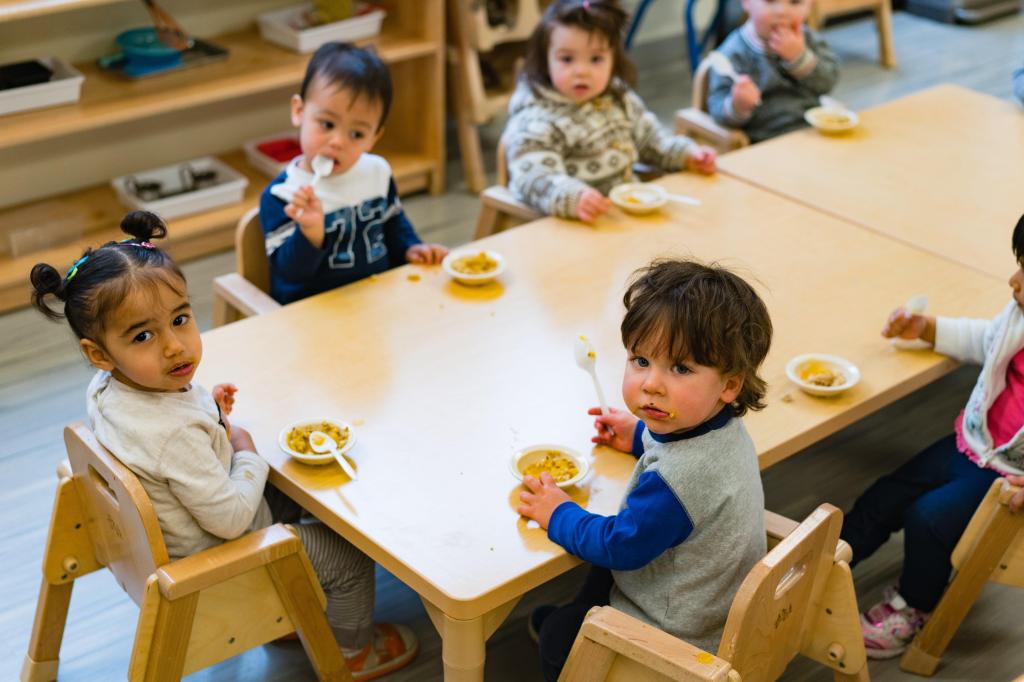
Alternative schooling and education have been gaining popularity in recent years, offering students a unique approach to learning outside of traditional classroom settings. One example of this is Montessori schools.
Montessori schools were developed by Dr. Maria Montessori in the early 1900s as an alternative to traditional education methods. The approach emphasizes self-directed learning and hands-on experiences, allowing students to learn at their own pace and explore subjects that interest them.
At Montessori schools, teachers act as facilitators rather than lecturers, guiding students through activities and providing support when needed. The curriculum is also designed to be interdisciplinary, meaning that subjects are not taught in isolation but rather integrated into broader themes or projects.
One of the key benefits of Montessori education is its focus on individualized learning. Students are encouraged to work independently and take ownership of their education, leading to greater engagement and motivation for many learners. Additionally, the emphasis on hands-on experiences can help make abstract concepts more tangible and relevant for students.
While Montessori schools may not be the best fit for every student or family, they offer a powerful alternative approach for those seeking something different from traditional schooling methods.
 Alternative Amie
Leave a comment