Blended Learning: The Future of Alternative Schooling and Education
As technology continues to evolve, so does the way we learn. Gone are the days when education was limited to traditional classroom settings. Today, students have access to a wide range of learning options, including online courses, virtual classrooms, and blended learning.
Blended learning is an innovative approach that combines online learning with traditional classroom instruction. In this model, students can complete some or all of their coursework online while still having face-to-face interactions with teachers and classmates.
This style of education allows schools to provide more personalized instruction based on each student’s individual needs. For example, students who struggle in certain subjects can receive extra support through virtual tutoring sessions or digital resources.
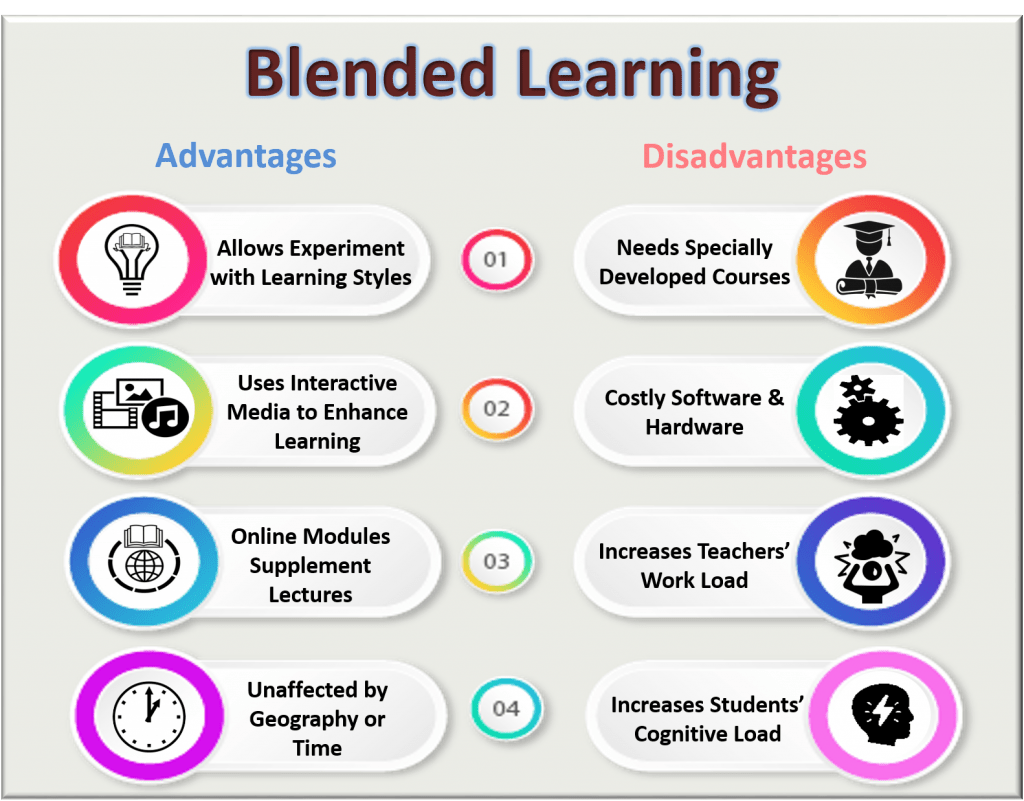
One of the main advantages of blended learning is its flexibility. Students can work at their own pace and on their schedule while still receiving guidance from experienced educators. This approach also helps prepare students for the 21st-century workforce by developing skills such as self-direction, time management, and digital literacy.
Another benefit of blended learning is its cost-effectiveness compared to traditional schooling methods. With fewer overhead costs like building maintenance and utility bills associated with brick-and-mortar schools, educational institutions can allocate more resources towards improving curriculum materials and teacher training programs.
Blended learning has become increasingly popular among alternative schooling models because it offers an adaptable solution that meets a diverse range of student needs without compromising quality or standards-based outcomes.
However, like any other form of education delivery method there are challenges that come along with blended-learning adoption which should be addressed accordingly:
1) Technical issues- Students will require reliable internet connectivity which could pose problems if they live in areas where broadband services are unreliable or non-existent.
2) Quality Assurance- Blending two forms puts pressure on both instructors & learners; ensuring consistency in quality between face-to-face classes & online components requires adequate monitoring.
3) Teacher Training – Educators must undergo rigorous training to adapt to different modes of instruction delivery and familiarize themselves with new technologies to ensure effective implementation.
In conclusion, blended learning has proven itself as a viable alternative model for education that can be suitable for learners of all ages, backgrounds and abilities. With its flexibility, cost-effectiveness, personalized learning approach that fosters self-direction skills in students; it is no surprise that more schools are embracing this platform as the future of alternative schooling and education.
 Alternative Amie
Leave a comment