Grading for Inquiry-Based Learning (IBL)
Inquiry-based learning (IBL) is a teaching approach that focuses on student-led investigations, allowing learners to explore their interests and create their own questions. It promotes critical thinking skills, problem-solving abilities, and fosters curiosity in students. However, grading IBL can be challenging as it deviates from the traditional memorization-based education system. In this post, we will explore some ways of grading IBL.
Firstly, it’s essential to understand that IBL is not about finding a right or wrong answer but rather exploring different perspectives and arriving at a conclusion based on evidence. Therefore when grading IBL assignments, teachers should assess students’ ability to ask relevant questions, conduct research effectively and analyze data critically.
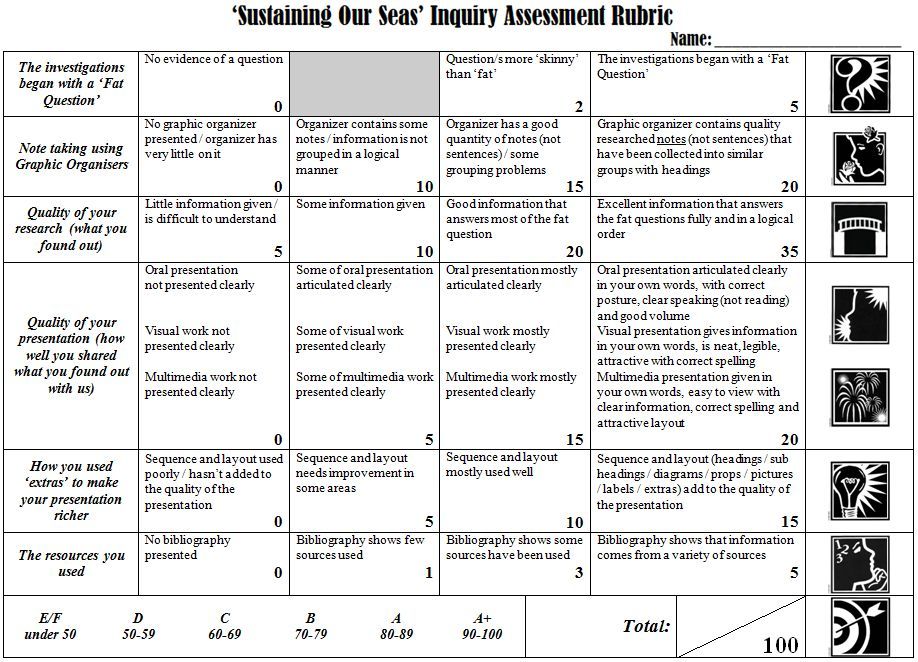
Secondly, rubrics are an effective tool for assessing learning outcomes in inquiry-based projects. Rubrics specify criteria for success and provide clear guidelines for what constitutes excellent work. Teachers can use them to evaluate how well students demonstrate the skills they need to be successful in inquiry-based learning such as Research Skills or Communication Skills.
Thirdly, peer assessment is another way of evaluating IBL projects effectively. When done correctly with appropriate guidance from the teacher – peer evaluation encourages collaboration among peers while also providing constructive feedback on each other’s work.
Fourthly, self-reflection is also vital in evaluating IBL projects as it allows students to reflect upon their efforts critically and determine areas where they need improvement personally or academically.
Finally yet importantly – teachers must give formative assessments throughout the inquiry process instead of just waiting until the end of an assignment before providing feedback or grades which could cause demotivation among learners if they find out too late that they aren’t doing well due to lack of understanding what was expected from them during the project process.
In conclusion – Grading for Inquiry-Based Learning requires creative assessment methods that focus more on skill development rather than knowledge acquisition alone; rubrics, peer assessment and self-reflection are all useful tools for evaluating IBL effectively. Teachers must also provide formative assessments throughout the inquiry process to ensure that learners receive feedback and support continually. When done correctly, grading IBL promotes critical thinking skills, problem-solving abilities, and fosters curiosity in students preparing them to be lifelong learners.
 Alternative Amie
Leave a comment