Reggio Emilia Approach: An Overview
The Reggio Emilia Approach is a unique educational philosophy that originated in the town of Reggio Emilia, Italy, after World War II. It was developed by Loris Malaguzzi and the parents of young children who wanted to create a new way of educating their children based on their own values and beliefs.
The approach emphasizes child-led learning, collaboration between students, teachers, and parents, and a focus on creativity and exploration. The Reggio Emilia Approach encourages children to learn through play and exploration rather than direct instruction from teachers.
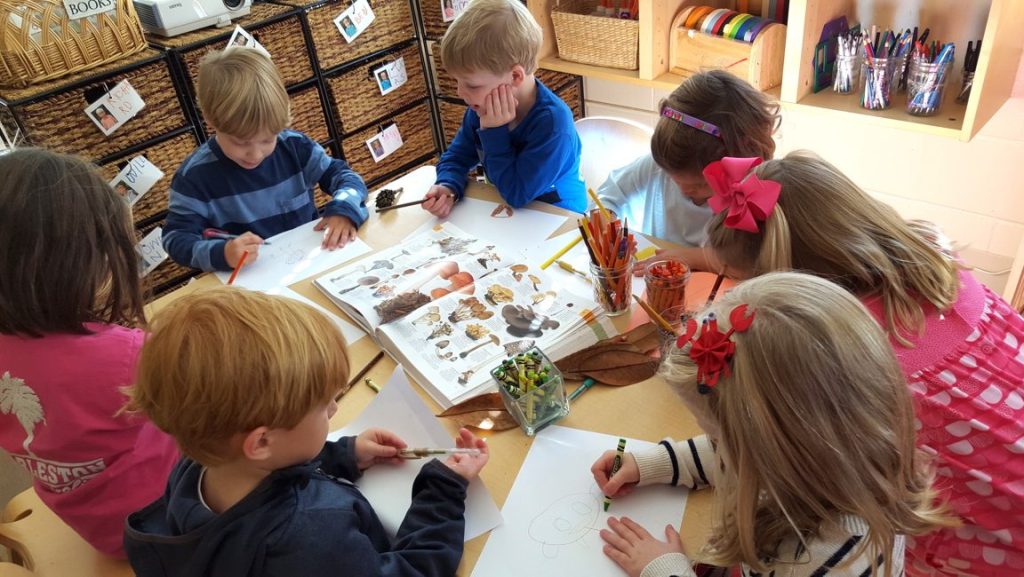
One of the most distinctive features of this approach is its use of the environment as an integral part of learning. Classrooms are designed to inspire curiosity with natural materials such as wood, clay, plants, water or sand tables. This creates a sense of wonderment for children which leads them to explore their surroundings more deeply than traditional classrooms do.
Another key aspect is documentation where educators take photos or videos documenting students’ activities during class time so they can be shared with parents or other educators who might want more insight into how learning takes place in this setting.
Teachers serve as facilitators rather than authority figures under this methodology; they help guide student inquiry while encouraging independent thinking. Teachers also work closely with parents to ensure consistency between classroom practices and family routines at home.
Reggio Emilia schools have become increasingly popular around the world due to their effectiveness in nurturing creativity among young learners while still meeting rigorous academic standards. Because it’s focused on discovery-based education centered around student interest instead of strict curriculum goals like memorization or test preparation—children are often better able to retain what they’ve learned long-term because it’s something they’re genuinely interested in exploring further outside your typical study material set up found elsewhere.
In conclusion, The Reggio Emilia Approach provides an excellent alternative schooling method for those looking for innovative ways for learners to develop creatively without sacrificing academic rigor. Its focus on student-led learning and documentation of their progress make it an ideal choice for parents who believe in providing a more hands-on, engaging approach to education that encourages curiosity and self-discovery.
 Alternative Amie
Leave a comment