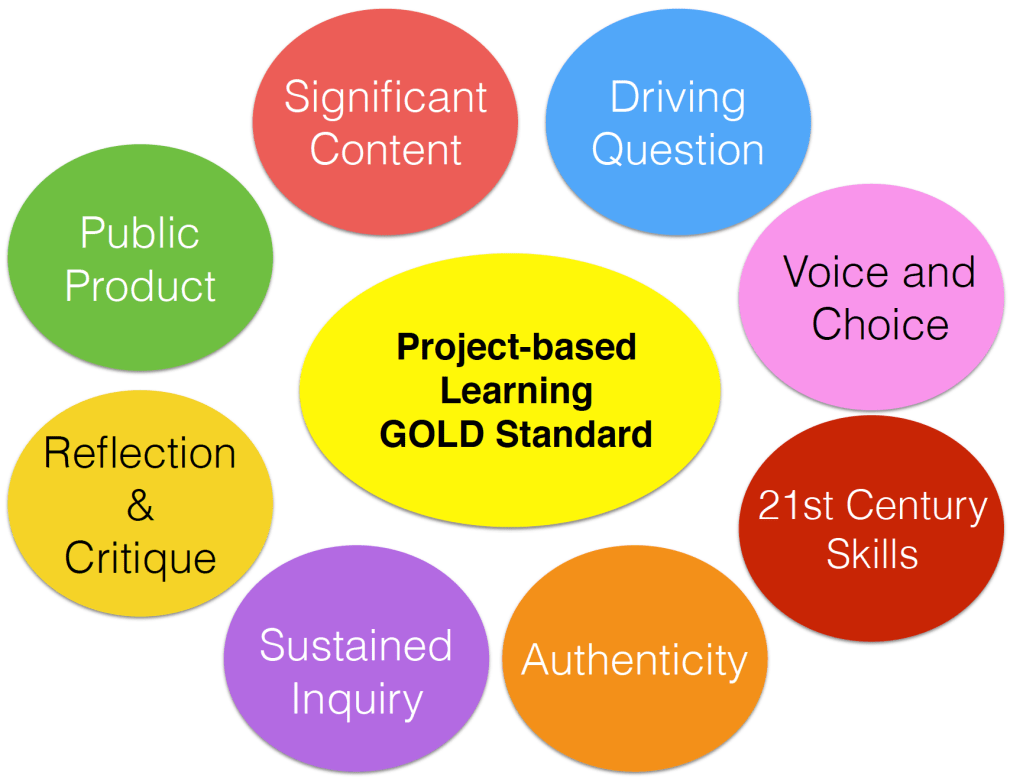
Project-Based Learning: An Innovative Approach to Education
Education is constantly evolving, and educators are always looking for new ways to engage their students. One approach that has gained popularity in recent years is project-based learning (PBL). PBL is a teaching method where students work on projects that focus on real-world problems or challenges. In this post, we will explore the benefits of PBL and how it can transform education.
What is Project-Based Learning?
In PBL, students work collaboratively on projects that require critical thinking, problem-solving, and decision-making skills. These projects are often interdisciplinary and may involve research, fieldwork, interviews with experts, data analysis, and presentations. The goal of PBL is to create a deep understanding of concepts by applying them to real-life situations.
One important aspect of PBL is student-centered learning. Instead of being passive recipients of information from teachers or textbooks, students take an active role in their learning process. They have the autonomy to choose their topics and design their projects based on their interests and passions.
Benefits of Project-Based Learning
PBL offers several advantages over traditional classroom instruction:
1) Improved Engagement: Students are more engaged when they work on meaningful projects that relate to their lives and communities.
2) Deeper Learning: By working through complex problems or challenges in teams, students develop a deeper understanding of concepts than they would through rote memorization.
3) Real-World Skills: Through the process of designing and executing a project from start-to-finish with guidance from teachers/experts/mentors/instructors/students themselves , students acquire valuable skills such as collaboration/teamwork/critical-thinking/problem-solving/data-analysis/presentation/public speaking .
4) Increased Motivation: When students have ownership over their learning experience/their own project idea /and see tangible results at each step along the way , they become more motivated to learn/research/discuss/new ideas/exploration etc.
5) Professional Preparation: PBL helps prepare students for the workforce by teaching them how to work in teams, communicate effectively, and solve complex problems.
6) Improved Retention: Studies have shown that students who engage in PBL retain information better than those who learn through traditional methods because they are actively involved in the learning process.
7) Personalization of Learning: In PBL, students can cater their projects according to their individual interests and skills. This personalization allows for a more customized learning experience which is tailored to each student’s needs.
How Does Project-Based Learning Work?
PBL follows a structured process from start-to-finish:
1) Identify the Problem or Challenge: Students identify real-world problems or challenges they want to tackle. These could be issues within their community or global topics like climate change etc…
2) Plan the Project: Students plan out how they will approach solving the problem/challenge. They brainstorm ideas, research resources/expertise/mentorship , create timelines/schedule/etc..
3) Investigate and Research: Students investigate potential solutions to the challenge/problem/project idea . They research related topics and gather data from primary sources like interviews with experts/professionals/community leaders/peers , secondary sources such as books/articles/databases/newspapers/social media platforms etc., surveys/questionnaires/polls .
4) Design a Solution : Based on their investigation/inquiry/research/study students design a solution/strategy/approach/action-plan/framework/templates /etc
5) Create Prototype : With guidance from teachers/experts/mentors/instructors/students themselves ,students develop prototypes/mock-ups/models of their solutions so that they can test it out before finalizing it for presentation .
6). Test & Refine : After testing prototype/mock-up/model students examine its results/outcomes/effects/costs/benefits/refinements/modifications/improvements/enhancements etc.and revise solution if necessary.
7) Present the Solution: Finally, students present their solutions to a wider audience. This could be in the form of a presentation/speech/video/website/podcast/live demo etc.
Roles of Teachers and Students in Project-Based Learning
Teachers play an important role in PBL by facilitating student learning, providing guidance, and giving feedback along the way. They help students develop skills such as collaboration/teamwork/critical thinking/problem-solving/data analysis/presentation/public speaking/etc., assess student progress through various checkpoints/stages/milestones, and provide support throughout the process.
Students take on more responsibility in PBL than they would with traditional classroom instruction. They are responsible for identifying problems/challenges/project ideas , designing solutions/approaches/action-plans/templates/frameworks/mock-ups/models , conducting research/investigation/inquiry/study , testing prototypes/mock-ups/models , presenting final solutions/approaches to wider audience .
Challenges and Solutions
PBL can be challenging for both teachers and students . It requires careful planning/logistics/resources/expertise/mentorship/support/guidance/supervision from teachers/experts/instructors/mentors/community leaders/etc.. The challenges include:
1) Time Management – Projects may require long-term planning which can be challenging if not properly managed .
2) Assessment – Assessing complex projects is difficult since there is no “right” answer or solution.
3) Access to Resources – Projects may require access to resources that may not be available within the school environment .
4). Teacher Training – Teachers need training & development sessions/professional development opportunities/workshops/conferences/webinars/seminars etc.to implement PBL effectively.
Solutions includes :
1) Partnering with community organizations who can provide expertise/support/resources .
2) Providing professional development opportunities for teachers so they can learn how to design effective projects with clear learning objectives/goals/outcomes ;
3). Creating flexible schedules/time-tables where students can work collaboratively on long-term projects without disrupting other classes;
4). Developing rubrics/criteria/checklists to assess student progress and provide feedback along the way.
Conclusion
Project-based learning is an innovative approach to education that offers several benefits over traditional classroom instruction. PBL helps students develop real-world skills, improves engagement and motivation, increases retention rates, prepares them for the workforce, and allows for personalized learning experiences.
Although there are challenges associated with implementing PBL effectively, they can be mitigated through careful planning/cooperation/support/resources/expertise/mentorship from teachers/experts/instructors/mentors/community leaders/etc. By working together, we can transform education through project-based learning and prepare our students for a successful future in the 21st century.
 Alternative Amie
Leave a comment