The Reggio Emilia Approach: A Retrospective
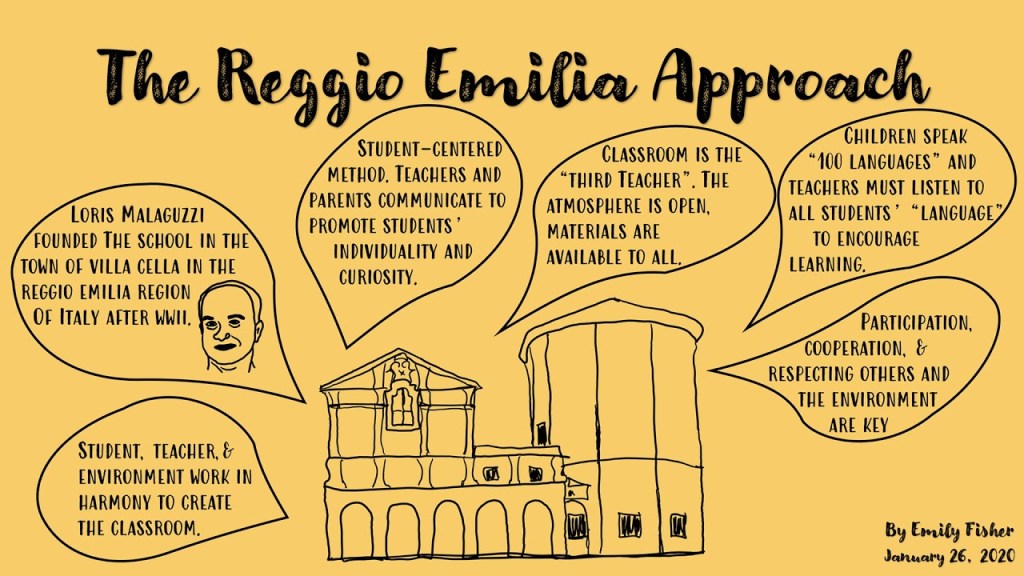
The Reggio Emilia Approach is a teaching philosophy that has gained popularity over the years, especially in alternative schooling and education systems. This approach originated from Reggio Emilia, a small town in Italy, after World War II. Its inception was as a result of Loris Malaguzzi’s vision to rebuild an education system that would foster creativity, critical thinking skills, and meaningful learning experiences for children.
In this retrospective piece, we will explore the origins of the Reggio Emilia Approach and its fundamental principles. We will also examine how it has evolved over time and its current status in alternative schooling today.
Origins of the Reggio Emilia Approach
After World War II ended in 1945, Loris Malaguzzi returned to his hometown of Reggio Emilia with an ambition to recreate an education system that would provide a brighter future for children growing up in post-war Italy. He envisioned an environment where children could engage with their surroundings freely while receiving quality education.
Malaguzzi’s vision was shared by parents who were eager to offer their children alternatives beyond what the existing Italian school system had to offer them. They believed that schools should be more than just places where students go to learn; they should be spaces where students can develop relationships with teachers and peers while engaging in age-appropriate activities.
Foundational Principles
The Reggio Emilia approach is founded on several principles that are designed to create a unique learning experience for students:
1) Emergent Curriculum – In this approach, curriculum planning emerges from the interests of individual learners rather than being predetermined by educators or standardized tests.
2) Collaborative Learning – Collaboration among teachers, parents/guardians and students creates opportunities for learners’ creative expression.
3) Respectful Relationships – The importance of respectful relationships between all stakeholders (parents/guardians/teachers/students) cannot be overstated because they are an essential component of the learning environment.
4) Documenting Learning – Documentation of student work and progress is another crucial aspect of Reggio Emilia. It helps to guide curriculum planning, demonstrate student growth, and keep parents/guardians informed about their child’s learning journey.
The Reggio Emilia approach also encourages learners to explore a wide range of activities such as art, music, drama, science projects and community service while being attentive to individual interests and developmental needs.
Evolution Over Time
Over the years, the Reggio Emilia Approach has evolved significantly. Today many schools have adopted this model outside Italy due to its success in producing confident learners who can think critically in various settings.
One significant evolution that has emerged from the original Reggio Emilia Approach is that it is no longer limited to early childhood education only. The approach has been adapted for all age groups ranging from pre-schoolers through high school students.
Another development relates to technology integration into the teaching methodology. As technology becomes more readily available worldwide, educators have found ways to integrate it into classroom instruction without losing sight of foundational principles like respect for relationships among stakeholders.
Current Status
Today many alternative schooling systems use elements of the Reggio Emilia Approach in their curricula. These include Montessori Schools, Waldorf Schools, Homeschool programs and other progressive schools worldwide.
Parents seeking alternatives beyond traditional school environments appreciate this approach because they believe it provides children with opportunities for meaningful engagement with peers while fostering creativity and critical thinking skills that will be useful throughout life.
Conclusion
The Reggio Emilia Approach originated as one man’s vision over 70 years ago but today resonates with parents around the world who desire an educational system where their children can thrive by expressing themselves creatively while developing strong social-emotional competencies alongside academic knowledge acquisition.
While there may be variations across different institutions or regions adopting this model (such as modified curricula for certain age groups or technology integration), the foundational principles of respect for relationships, emergent curriculum, collaborative learning and documenting student progress remain unchanged.
It is clear that the Reggio Emilia Approach has had a significant impact on alternative schooling systems globally and will remain a popular educational model for years to come.
 Alternative Amie
Leave a comment