Blended learning is a term used to describe the combination of traditional face-to-face instruction with online or digital learning. It has been around for many years, but it was not until recently that it gained popularity and became an essential part of many educational institutions.
Blended learning offers several advantages over traditional classroom-based instruction. For one, it allows students to learn at their own pace, giving them the flexibility to work on their lessons when they have time and are most alert. Additionally, blended learning provides access to a wealth of resources that can enhance the quality of education provided.
One significant benefit of blended learning is its ability to personalize instruction. With this approach, instructors can tailor lessons and activities based on each student’s unique needs and interests. This personalization helps students stay engaged in their studies while also providing targeted support where needed.
Another advantage of blended learning is its potential cost savings. By incorporating technology into the classroom, schools can reduce their reliance on expensive textbooks and other materials while also reducing overhead costs associated with running a physical campus.
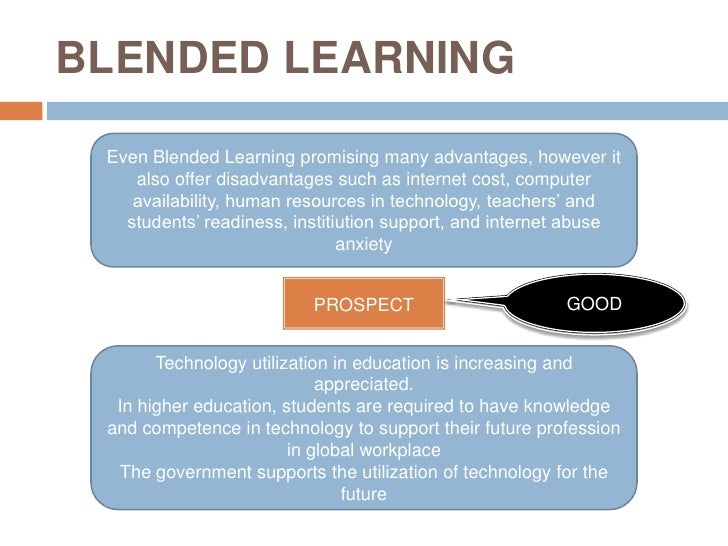
Despite these benefits, blended learning is not without its challenges. One major issue is ensuring that all students have access to reliable internet connections and suitable devices for online coursework. Teachers must also be adequately trained in using technology effectively as an instructional tool.
Overall, however, the benefits of blended learning far outweigh any drawbacks. As more schools embrace this innovative teaching approach, we are likely to see even greater improvements in student engagement and academic achievement across all grade levels and subject areas.
 Alternative Amie
Leave a comment