Project-Based Learning: The Ultimate Solution for Alternative Schooling
Are you tired of the traditional schooling system that focuses on rote memorization and standardized testing? Do you want to see your child develop critical thinking skills, creativity, and problem-solving abilities? If yes, then project-based learning might be the solution you are looking for.
Project-based learning is a student-centered approach that emphasizes active and authentic learning. Instead of listening to lectures or reading textbooks, students engage in hands-on activities that require them to investigate real-world problems, design solutions, and present their findings. Projects can range from building prototypes or conducting experiments to creating multimedia presentations or writing research papers.
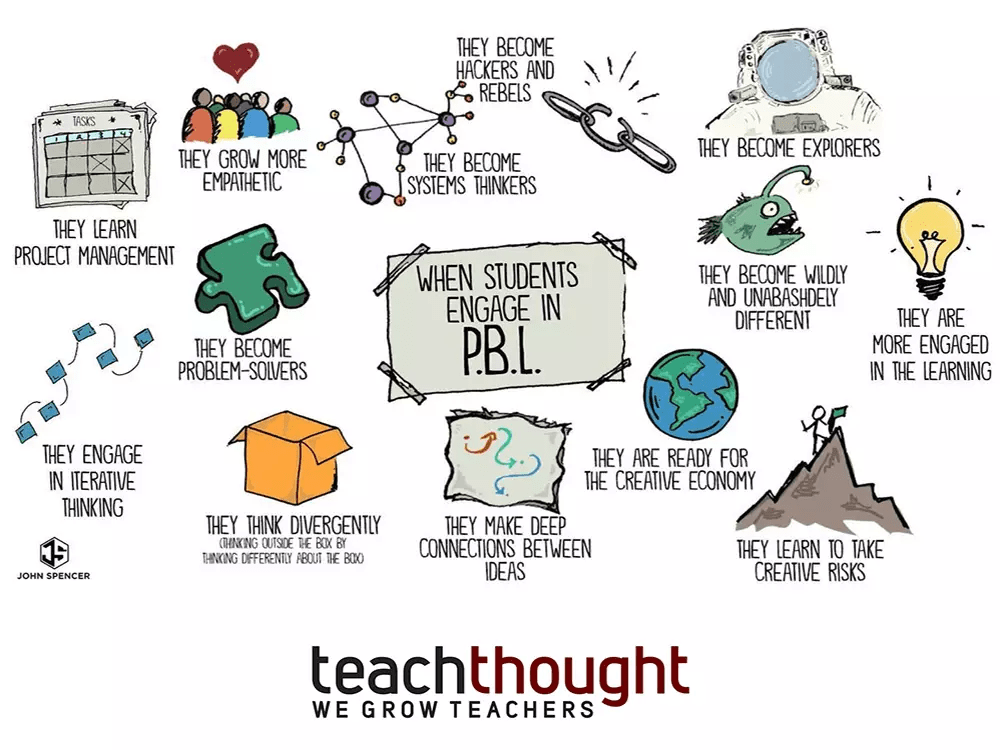
The benefits of project-based learning go beyond academic achievement. Students who participate in projects become more engaged, motivated, and confident learners. They learn how to collaborate with others, communicate effectively, manage time efficiently, and reflect on their own learning progress. Moreover, projects enable students to explore different interests and career paths while developing transferable skills that are highly valued by employers.
To implement project-based learning successfully requires a shift in teaching methods and curriculum design. Teachers need to act as facilitators rather than lecturers; they guide students through the inquiry process but do not provide all the answers or solutions. Curriculum should be flexible enough to allow students to pursue their own questions while aligning with essential concepts and standards.
Alternative schools have been at the forefront of promoting project-based learning as a means of fostering holistic education. Montessori schools have long recognized the value of hands-on activities that promote self-directed exploration. Waldorf schools integrate arts into every subject area as a way of engaging multiple intelligences. Sudbury schools empower children’s curiosity by giving them complete autonomy over what they learn and how they learn it.
If you are interested in alternative schooling models or simply want your child to benefit from a more meaningful education experience, consider exploring project-based learning opportunities in your community or homeschool setting. You might be surprised at how much fun and rewarding learning can be when it is driven by curiosity, creativity, and collaboration.
 Alternative Amie
Leave a comment