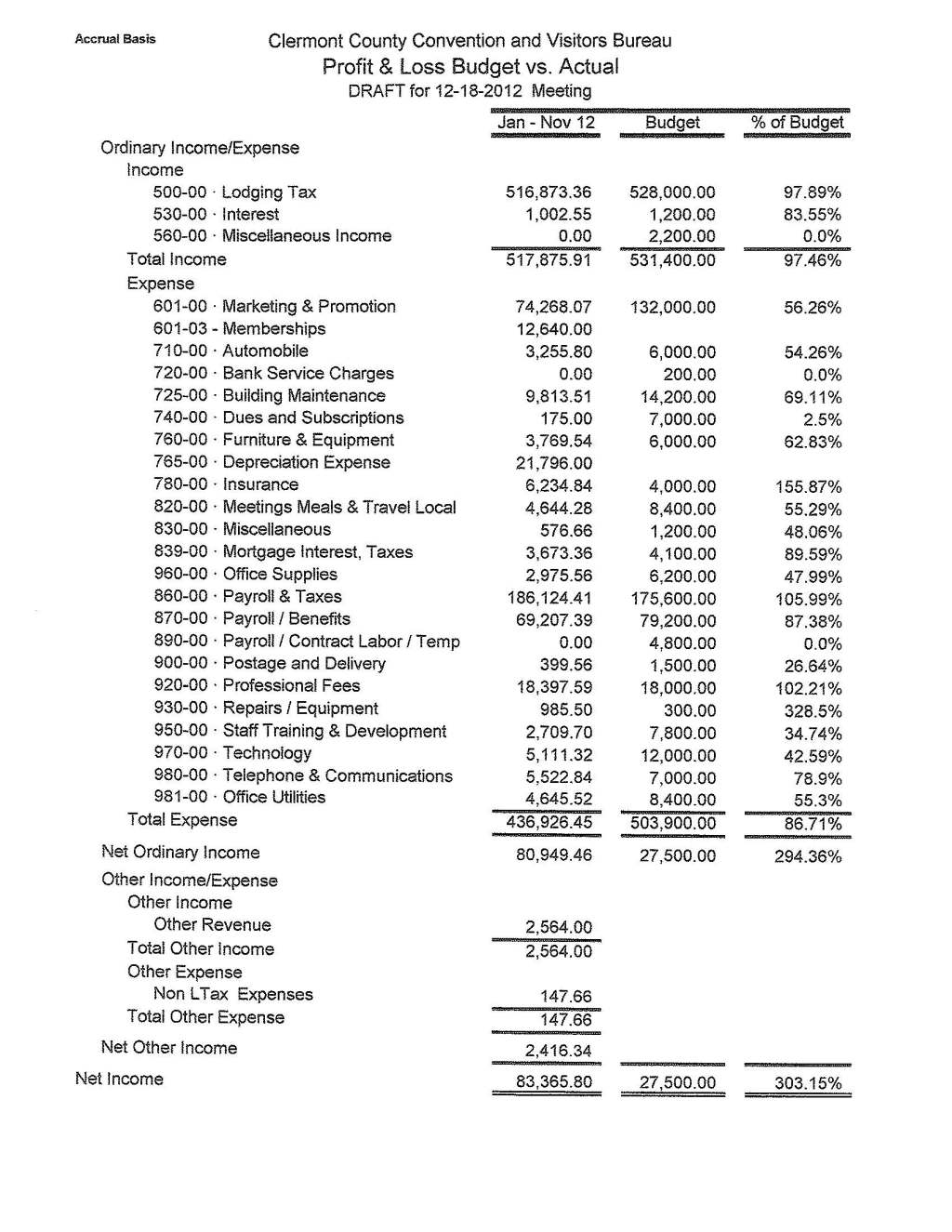
As an entrepreneur or business owner, understanding your Profit and Loss Statement (P&L) is crucial for financial success. A P&L statement provides a summary of a company’s revenues, costs, and expenses over a specified period. It shows whether the business made a profit or loss during that time.
The main components of a P&L statement include revenue, cost of goods sold (COGS), gross profit, operating expenses, net income before taxes and interest expense, taxes paid, and net income after taxes. Each component plays an essential role in determining the overall financial health of your business.
Revenue refers to the total amount earned from selling goods or services during the period under review. This includes all sales-related activities such as discounts on sales and returns by customers. COGS represents direct costs related to producing goods or services sold during the reporting period. It includes raw materials used in production processes and labor costs directly involved with producing products.
Gross profit is one of the most critical figures in any P&L statement as it indicates how much money remains after deducting COGS from revenue generated during that time frame. The operating expenses section represents all other costs incurred while running your company such as rent payments, salaries for employees not directly involved in production processes like office staff members among others.
Net income before taxes indicate how much money you have left after covering all operational expenses but before accounting for tax liabilities or interest expense obligations owed to lenders if any exist; this figure is also known as earnings before interest and taxes (EBIT). Taxes paid are deducted from EBIT to determine net income after-tax deductions are accounted for – this is what’s left over once all bills have been paid off!
It’s important to note that analyzing your Profit & Loss Statement doesn’t just provide insights into past performance but can help forecast future trends too! By reviewing historical data patterns across various line items within this report over time periods relevant to present-day operations, business owners can identify areas of growth potential or cost-cutting opportunities that might otherwise go unnoticed.
One key metric to watch is gross margin, which measures the percentage of revenue remaining after deducting COGS. A higher gross margin indicates better profitability and highlights areas where you may want to focus your efforts on increasing prices or reducing production costs.
Another important metric is net income, which shows how much money is left over after all expenses have been paid. This number reflects your company’s bottom line and provides a clear indication of its overall financial health.
Other factors such as debt-to-equity ratio, inventory turnover rate, and accounts receivable/payable days also provide valuable insights into your company’s performance. The debt-to-equity ratio measures the amount of long-term debt versus shareholder equity in your business – a lower ratio indicates less financial risk for investors while an excessively high one could signal trouble ahead.
Inventory turnover rate represents how quickly goods are sold within a given period; the faster items move off shelves mean more cash flow available at any given time! Accounts receivable/payable days measure how long it takes customers to pay invoices or vendors before you must settle outstanding balances owed them – both metrics offer helpful insights into cash flow management strategies moving forward!
In conclusion, understanding Profit & Loss Statements is crucial for running any successful business. It helps entrepreneurs analyze past performance trends and forecast future growth potentials while identifying areas requiring attention for improved efficiency in operations management practices moving forward. By keeping track of these essential metrics regularly within this report type (and others), businesses can stay ahead financially by making informed decisions based on accurate data analysis!
 Alternative Amie
Leave a comment