Victorian England: A Guide to Education and Social Structure
The Victorian era, spanning from 1837 to 1901, was a time of immense change and progress in England. It was marked by the reign of Queen Victoria, who ascended the throne at the age of eighteen, and oversaw significant advancements in education, industry, and social structure.
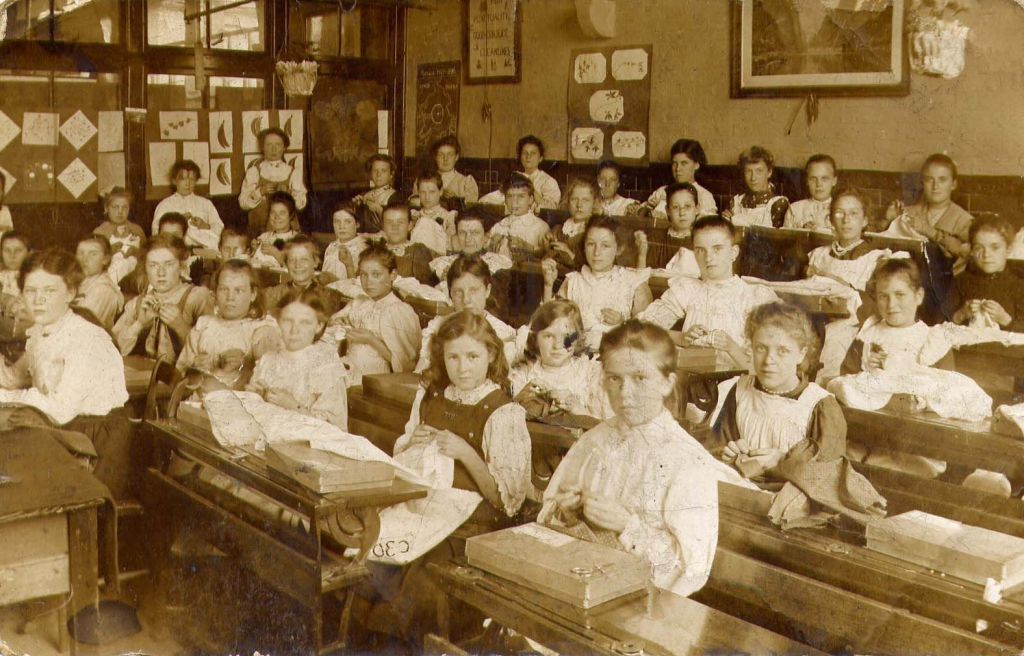
During this period, education became more widely accessible for both boys and girls. However, access to education remained heavily dependent on one’s socio-economic status. The wealthy had access to private tutors or exclusive schools such as Eton or Harrow. For those who could not afford these options or lived outside major cities like London or Liverpool where grammar schools were available; charity schools provided an opportunity for children from impoverished backgrounds to receive an education.
These charity schools were typically funded by religious organizations such as the Church of England and focused on teaching basic reading, writing arithmetic skills along with religious instruction. They also aimed at instilling moral values in their students.
As industrialization progressed during the Victorian era, there was a growing demand for skilled workers who could keep up with new technologies emerging each day. This led to a need for better-educated individuals capable of taking on technical roles.
This need prompted reforms that eventually led to the introduction of compulsory elementary education acts passed in 1870 making it mandatory for all children between five and ten years old attend school regularly. Later amendments extended this requirement until sixteen years old.
The educational system continued expanding beyond primary school level with several universities being established throughout this period including Oxford University (1096) Cambridge University (1209), Durham University (1832), Bristol University (1876), among others. These universities catered mostly towards men while women had limited options until later periods when they started setting up women-only colleges like Girton College founded in 1869 followed by Newnham College founded in 1871 which later merged into Cambridge University.
The social structure of Victorian England was strictly hierarchical, with the upper classes at the top and lower classes at the bottom. The wealthy aristocrats and gentry lived in grand houses or manors, while working-class families resided in cramped apartments or rented rooms.
This class divide also influenced education, as schools attended by the wealthy offered a more comprehensive curriculum than those attended by the poor. It was believed that education should be tailored to one’s station in life; hence, only those who could afford it would receive an education that prepared them for leadership positions.
However, philanthropic individuals such as Robert Raikes advocated for free education for all children regardless of their socio-economic status. He established Sunday schools where underprivileged children received basic literacy skills along with religious instruction. This initiative soon spread across England and paved the way for other educational reforms that aimed to create a more equitable society.
In conclusion, Victorian England was marked by significant developments in education and social structure. While access to education remained heavily dependent on socio-economic status, reforms throughout this period made it possible for more people to receive an education beyond basic literacy skills.
This era also saw women gain greater access to higher learning institutions paving way towards gender equality in modern-day institutions of learning. Although much has changed since then regarding educational systems globally, we can still learn from these historical events which contributed massively towards shaping our current state today.
 Alternative Amie
Leave a comment