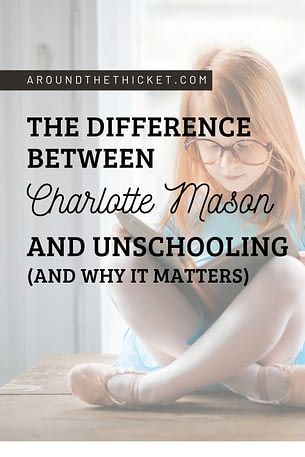
Unschooling: A Look Back at Alternative Education
In recent years, alternative schooling and education have become increasingly popular as parents seek out different approaches to traditional school systems. One such approach is unschooling, which has been around for several decades but has gained more attention in recent years.
Unschooling is an educational philosophy that allows children to learn through their own interests and experiences without following a structured curriculum or set schedule. This approach puts the child in control of their learning, allowing them to explore topics they find interesting and pursue their passions freely.
The concept of unschooling was first introduced by educator John Holt in the 1970s. He believed that children were natural learners who would thrive if given the freedom to pursue their interests at their own pace. Holt saw traditional schooling as limiting and often frustrating for students who didn’t fit into the mold of what was expected of them.
Since then, many families have adopted this approach to education with great success. Unschoolers often report higher levels of engagement and motivation from their children compared to those attending traditional schools. They also note that unschooling allows for a more personalized education experience tailored specifically to each child’s needs.
For some families, unschooling may seem like a radical departure from what they know about formal education structures. However, proponents argue that it can be adapted to suit any family’s lifestyle and values.
One key aspect of unschooling is trust – trust in the child’s ability to learn on their own terms and trust in oneself as a parent or caregiver. Unschoolers must be willing to relinquish control over what their child learns when they learn it – something that can be challenging for some parents accustomed to more structure.
This lack of structure means that unschooled children typically don’t follow a strict schedule or curriculum like those found in traditional school settings. Instead, they are encouraged to follow their curiosity and explore subjects deeply according to personal interests.
Unschooling can take many different forms, depending on the family’s lifestyle and preferences. Some unschoolers may focus heavily on outdoor activities and hands-on experiences, while others may incorporate more structured learning through online courses or books. The beauty of this approach is that it can be tailored to suit each child’s unique needs and interests.
One concern many people have about unschooling is whether children will receive a well-rounded education without a fixed curriculum. However, proponents argue that by following their own interests, children often end up studying a wide range of topics in depth – sometimes even surpassing what they might learn in traditional schools.
Another concern is whether unschooled children will be able to succeed in higher education or the workforce later in life. While there are no guarantees, research has shown that homeschoolers (of which unschoolers are a subset) tend to perform just as well – if not better – than their traditionally schooled peers in college and beyond.
Of course, like any educational philosophy, unschooling isn’t for everyone. It requires a lot of trust and flexibility from both parents and children alike. Additionally, some families may find it challenging to provide enough resources or opportunities for their child’s interests within an unschooling framework.
However, for those who do choose this path, the benefits can be significant – including increased motivation and engagement from their child as well as greater freedom to explore subjects deeply according to personal passions rather than arbitrary schedules or requirements.
In conclusion, while it may seem unconventional at first glance, unschooling has been around for several decades now with growing numbers of families adopting this approach every year. By trusting in the natural curiosity and ability of their child to learn independently based on individual interest areas instead of being bound by pre-set schedules or curriculums; parents embracing Unschoooling have found success nurturing independent thinkers who excel academically when given autonomy over their education.
 Alternative Amie
Leave a comment