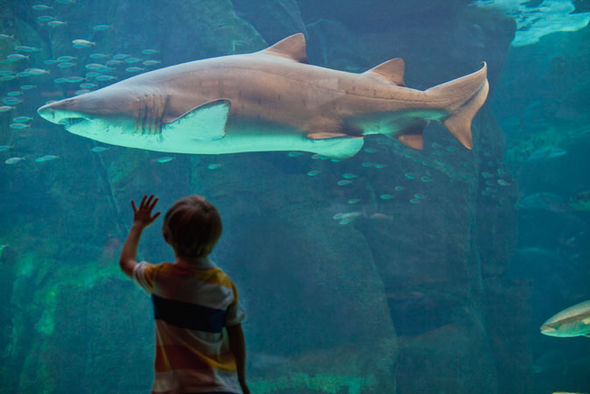
Aquariums are a fun and educational way to learn about marine life. However, have you ever thought about the ethical implications of keeping animals in captivity for our entertainment? While aquariums may seem harmless, they can actually be quite harmful to the animals that live there.
Firstly, many aquariums obtain their animals by capturing them from the wild. This disrupts natural ecosystems and can lead to a decrease in biodiversity. Additionally, many captured animals die during transport or soon after being placed in an aquarium due to stress or improper living conditions.
Even if the animals are bred in captivity, they often still suffer from health issues as a result of being confined to small tanks. Dolphins and whales especially require large amounts of space to swim and explore, something that is impossible in most aquarium tanks.
Moreover, visitors may not realize that the constant presence of humans can cause significant stress for these creatures. Many species exhibit signs of distress such as excessive pacing or self-harming behaviors when kept in captivity.
Despite these concerns, some argue that aquariums promote conservation efforts by raising awareness about marine life and encouraging visitors to support conservation initiatives. However, it’s important to consider whether this benefit outweighs the harm caused by keeping animals captive for entertainment purposes.
Overall, while aquariums may seem like a fun family outing or school field trip destination, it’s important to think critically about their impact on animal welfare and make informed decisions about supporting them.
 Alternative Amie
Leave a comment