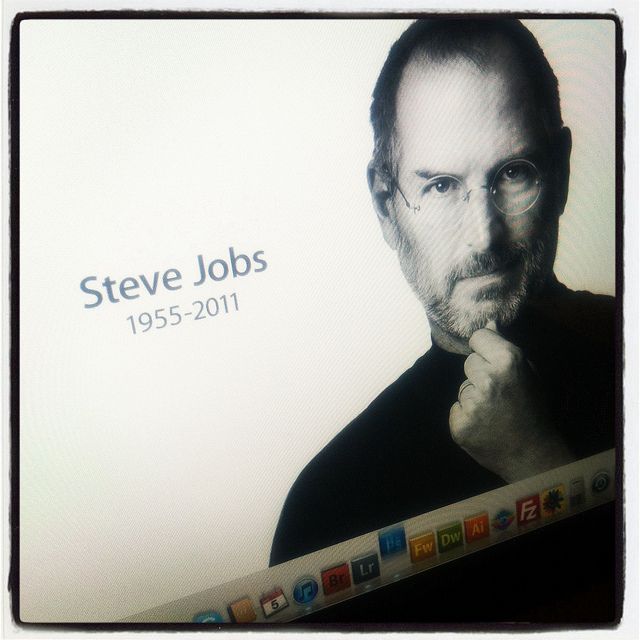
Steve Jobs: The Innovator Who Changed Education
When we talk about Steve Jobs, the first thing that comes to mind is Apple and its revolutionary products. But did you know that Jobs also had a profound impact on education? Throughout his life, he advocated for innovative approaches to learning and believed that technology could transform education. In this article, we will explore some of the ways in which Steve Jobs changed the face of education.
Jobs’ own experience with schooling was less than ideal. He struggled in traditional classrooms and found them uninspiring. However, he discovered a love for learning outside of school. He attended lectures at Stanford University without being enrolled as a student and took classes in calligraphy, which later inspired him to include typography as an important feature in Apple’s products.
It was during his time away from formal education that Jobs began to develop ideas about how technology could enhance learning. He envisioned a future where students would have access to digital tools that would allow them to learn at their own pace and tailor their educational experiences according to their interests.
One of Jobs’ earliest contributions to education was the creation of the Apple II computer in 1977. This affordable machine allowed schools across America to introduce computers into classrooms for the first time ever. It helped democratize access to technology by making it accessible even for low-income schools.
In 1984, Apple released its Macintosh computer, which included several features specifically designed for educators such as word processing software and graphics programs perfect for creating classroom materials like posters or presentations.
The following year saw another major innovation when Apple introduced HyperCard software – an interactive program with links between different pages allowing users not only read but also create content themselves using multimedia elements like images or sound effects- perfect tool for project-based learning approach!
Jobs continued his work on improving education throughout his career even after leaving Apple during mid-1980s due disagreements over company policies with board members led by John Sculley. Jobs founded NeXT Computer in 1985 and focused on developing software for education, including the NeXTSTEP operating system that was used by schools across America.
In addition to his work with technology, Jobs also believed in the importance of hands-on learning experiences. He was a strong advocate for project-based learning where students were given real-world problems to solve and encouraged to use their creativity and critical thinking skills to find solutions.
Jobs’ influence on education can still be felt today. Apple’s iPad has become a widely used educational tool, with thousands of apps available for educators to use in classrooms. The company has also developed classroom management tools like Apple School Manager and Classroom app which help teachers manage student devices effectively while providing an interactive experience that makes learning fun!
Another way Jobs has impacted education is through his philanthropic work. In 1991, he started the Steven P. Jobs Foundation which provided grants to support educational initiatives like Teach For America or New Leaders – organizations dedicated towards improving teacher quality in low-income areas.
In conclusion, Steve Jobs was more than just an entrepreneur who revolutionized technology; he was also a visionary who believed in using innovation as a means of transforming education. His ideas have helped shape modern-day schooling by making it more accessible, personalized and engaging for learners of all ages!
 Alternative Amie
Leave a comment