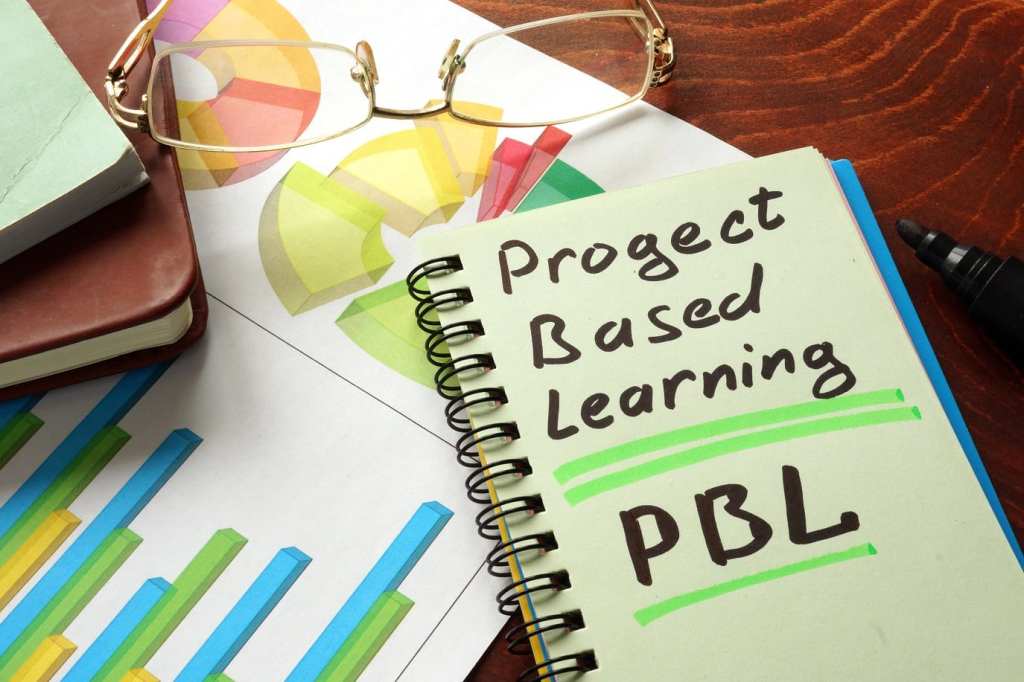
Project-Based Learning: A Revolutionary Approach to Education
In the traditional classroom setting, students are often passive recipients of information delivered by teachers. They memorize facts and figures and regurgitate them on exams without really understanding how they fit into the bigger picture. However, with project-based learning (PBL), students take an active role in their education by engaging in real-world problem-solving activities that require critical thinking, collaboration, creativity, and communication skills.
What is Project-Based Learning?
PBL is a student-centered approach to learning that emphasizes inquiry-based investigation rather than rote memorization of information. In PBL classrooms, teachers serve as facilitators or coaches who guide students through a process of identifying problems or challenges that require solutions. Students work individually or in teams to design and implement projects that address those challenges.
Projects may involve extensive research, data analysis, experimentation, prototype building or testing, fieldwork observation or interviews with experts. Students are responsible for managing their time and resources effectively as well as presenting their findings to classmates and other stakeholders such as community members.
Key Elements of Project-Based Learning
Project-based learning can be designed in many different ways depending on the goals of the curriculum and interests of students. However, certain key elements should be present for effective PBL experiences:
1) Real-world relevance: Projects should reflect issues relevant to students’ lives beyond school walls so they can see how what they’re learning applies to real-life situations.
2) Inquiry-driven investigation: Students need opportunities to explore questions about topics that interest them deeply rather than being told what they need to know before starting a project.
3) Collaboration: Teamwork is essential for successful PBL experiences since it fosters peer-to-peer teaching/learning relationships among diverse groups.
4) Authentic assessment: Assessments should not just focus on content knowledge but also include evidence of critical thinking skills such as problem solving strategies used during project implementation; oral/written communication skills; and reflection on learning.
Benefits of Project-Based Learning
Project-based learning has many advantages over traditional classroom instruction. Here are some of the key benefits:
1) Improved engagement: PBL enables students to take ownership of their learning, which leads to higher levels of motivation and engagement in the classroom. When students are actively involved in designing and implementing projects, they’re more invested in the outcome.
2) Enhanced critical thinking: PBL requires students to think critically about complex problems, develop hypotheses, analyze data, evaluate evidence, and draw conclusions. These skills are essential for success not only in school but also in life beyond it.
3) Increased collaboration: The teamwork required by PBL fosters a sense of community among students that can carry over into other areas of their lives. It also helps them develop social-emotional skills such as empathy, communication, and conflict resolution.
4) Deeper understanding: By working on projects that require them to apply knowledge rather than just memorize facts or concepts, students gain a deeper understanding of subject matter.
5) Better preparation for future careers: Many professions today require workers who can collaborate with others to solve complex problems using creative approaches. PBL prepares students for these types of careers by providing opportunities to practice these skills early on.
Challenges with Project-Based Learning
While project-based learning has numerous benefits for both teachers and learners alike, it is not without its challenges. Some common obstacles include:
1) Time management: Effective implementation requires careful planning and coordination between teachers/leaders responsible for managing multiple classes/projects simultaneously.
2) Limited resources: Depending on the nature of each project undertaken by students (e.g., fieldwork), there may be limitations regarding access to equipment/facilities needed during implementation phases (e.g., computers).
3) Assessment difficulties: Assessing student work based solely on final products can be challenging since different teams will approach tasks differently depending upon factors such as group dynamics, individual strengths/weaknesses, and available resources.
4) Resistance to change: Some teachers may be hesitant to adopt project-based learning due to concerns about losing control over what students learn or how much they learn.
Conclusion
Project-based learning is a revolutionary approach to education that empowers students to become active participants in their own learning. By engaging in real-world problem-solving activities that require critical thinking, collaboration, creativity, and communication skills, learners are better prepared for future careers and life beyond the classroom walls. While there are certainly challenges associated with implementing PBL effectively, the benefits far outweigh them. By embracing this innovative approach to education, we can help create a brighter future for our children and society as a whole.
 Alternative Amie
Leave a comment