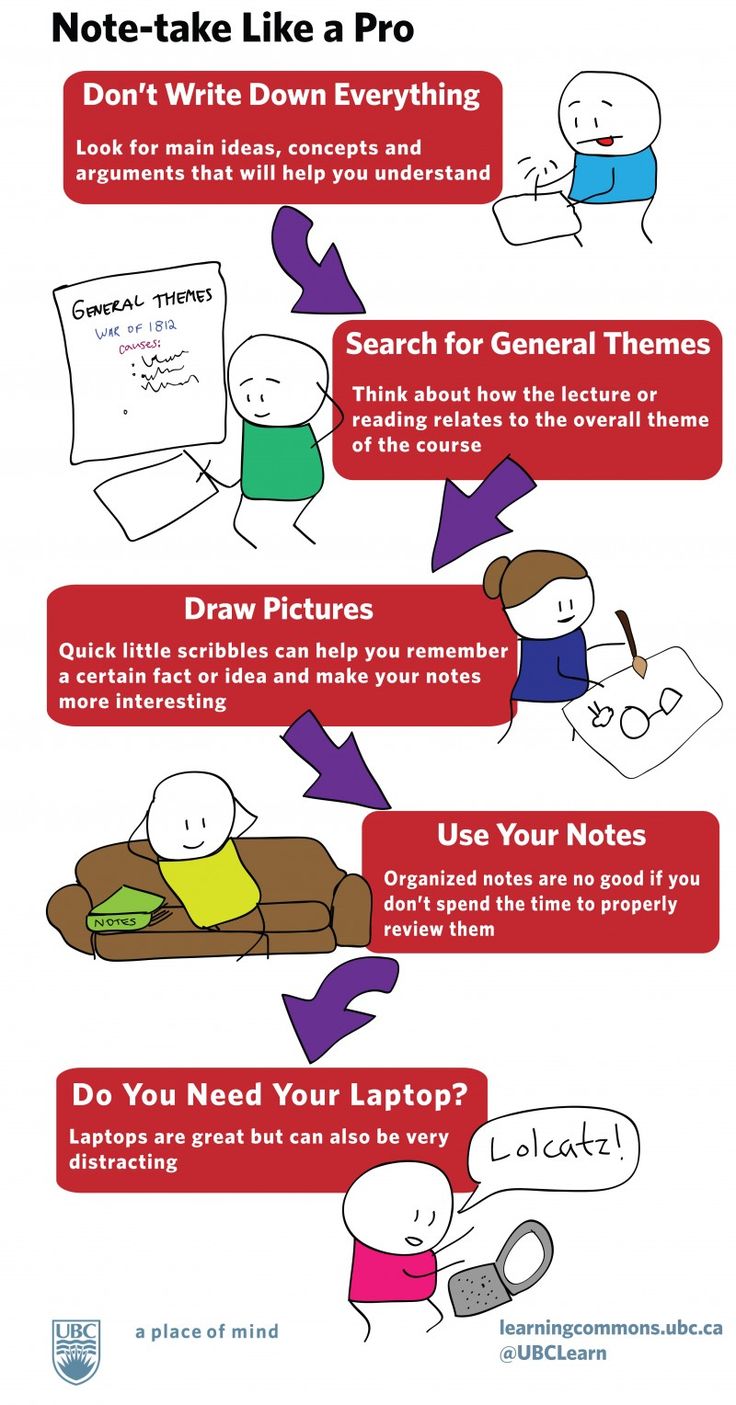
Collaborative note-taking is an essential part of alternative school and education. It helps students to share ideas, collaborate, and learn together in a more effective way. In this post, we will explore some of the best collaborative note-taking strategies for alternative school and education students.
1. Mind Mapping: This strategy involves creating a diagram that represents connections between different ideas or concepts. It’s an excellent method for visual learners who need to see relationships among various topics.
2. Cornell Notes: Developed by Dr Walter Pauk in the 1950s, Cornell notes are a popular way of taking notes that can be used individually or collaboratively. This format divides your paper into three sections; The first section is where you write keywords or questions about the main topic; The second section is where you write detailed notes from lectures or readings; finally, the third section is left for summarizing what you have learned.
3. Round Robin Note Taking: This strategy involves passing around a notebook between group members who take turns adding information under specific headings related to the topic being discussed.
4. Group Outlining: Like mind mapping but with more structure, group outlining allows each member of the team to add their thoughts to create an organized outline that summarizes key points and themes.
5. Collaborative Online Platforms: One advantage of online platforms like Google Docs or Dropbox Paper is that they allow multiple users across locations to work on documents at once in real-time while offering features such as commenting and editing tools along with version control options making it easier for large groups spread out over time zones.
6. Team-Based Quizzing: Group quizzes can be helpful when studying complex topics because they encourage collaboration while also testing knowledge retention through competition! Create quiz questions related to your study material then divide your class into teams- each team member takes turns answering questions until all participants have participated once giving everyone equal opportunity!
7. Peer-to-Peer Teaching Sessions: Encouraging students to teach each other not only fosters collaboration but also helps to reinforce learning by allowing everyone to share their knowledge and expertise. By creating small groups, give each person a topic or concept they are comfortable teaching then let the group take turns having mini-lessons.
8. Group Summarization: At the end of a lecture or class session, have your group work together to create a summary of key points that can be used for review later on. This strategy will help ensure no critical details are left behind while also reinforcing important ideas.
In conclusion, collaborative note-taking strategies are essential for alternative school and education students as they promote teamwork while helping individuals learn more effectively. The above methods will help you foster an environment where everyone is working towards the same goal – success!
 Alternative Amie
Leave a comment