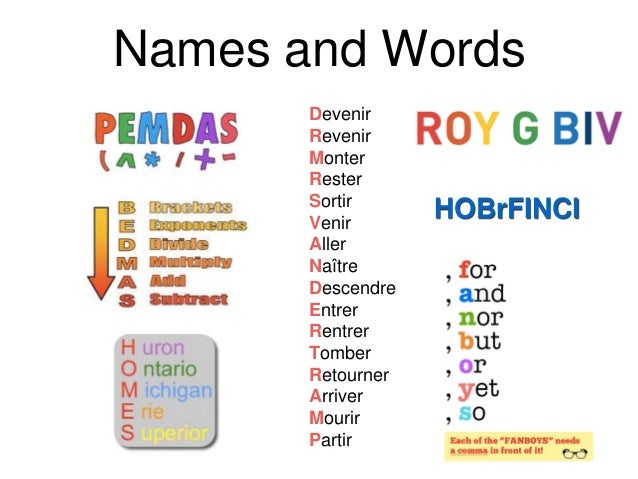
Mnemonics are memory devices used to aid the recall of information. They come in different forms, including acronyms, rhymes, songs, and imagery. Mnemonics have been used for centuries to help learners remember important information such as lists of items, formulas or equations.
The use of mnemonics has many benefits in education. For example, they can help learners remember complex concepts easily and quickly. In addition, mnemonics allow students to learn at their own pace by breaking down large pieces of information into smaller chunks that are easier to process.
One popular mnemonic is the acronym HOMES (Huron, Ontario Michigan Erie Superior), which helps students remember the names of the Great Lakes in North America. Another example is the rhyme “I before E except after C” which helps students remember spelling rules.
Mnemonics are also useful for individuals with learning difficulties such as dyslexia or ADHD. They provide a structured way for these individuals to process and memorize new information more effectively.
In conclusion, mnemonics are an effective tool for learning and recalling information. They allow learners to break down complex ideas into manageable pieces that can be easily remembered using simple memory aids like acronyms or rhymes. By incorporating mnemonics into teaching practices, educators can help students develop stronger memories and become more confident learners overall.
 Alternative Amie
Leave a comment