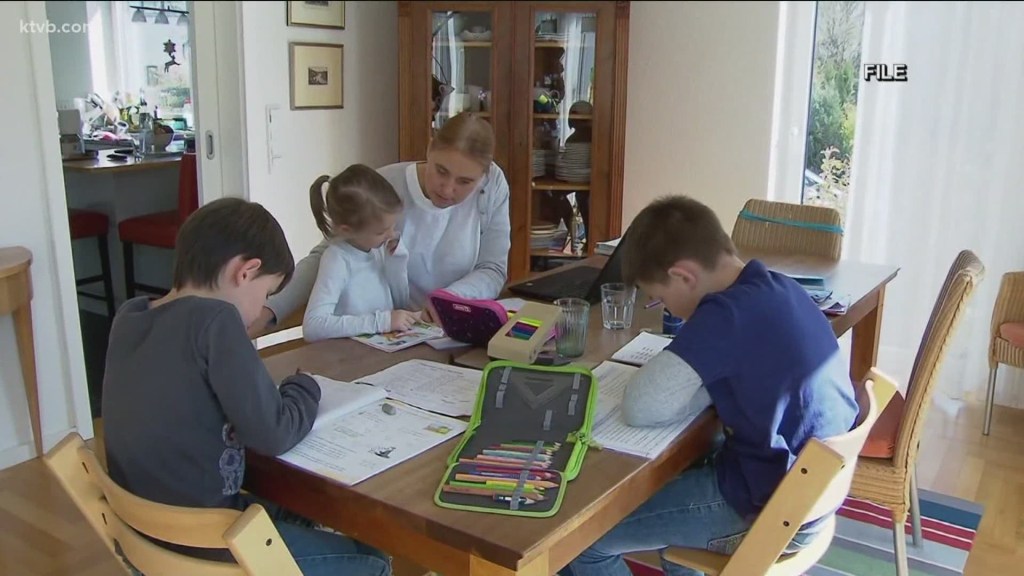
Rural microschools are gaining popularity across the United States, offering a unique alternative to traditional schooling in rural communities. These small-scale schools provide personalized education that caters to individual student needs and fosters a sense of community among students and teachers.
Microschools typically operate with fewer than 50 students and often have mixed-age classrooms. Students receive individualized attention from teachers who can tailor lessons based on each student’s strengths, weaknesses, interests, and learning styles. This approach allows for flexible pacing and helps ensure that no one falls through the cracks.
One benefit of these schools is their focus on project-based learning, which encourages hands-on experiences that promote critical thinking and problem-solving skills. Students work on projects that they find meaningful as opposed to memorizing information for tests.
Another advantage of rural microschools is their affordability compared to private schools or homeschooling options. Microschools can be created by parents or educators with minimal overhead costs since they don’t require large facilities or expensive equipment.
However, some challenges remain when it comes to scaling up these models across rural areas due to limited resources such as access to broadband internet connectivity or funding for teacher compensation.
Despite these obstacles, advocates believe microschooling offers an innovative solution for addressing educational gaps in underserved communities while fostering a vibrant sense of community among learners in remote locations.
 Alternative Amie
Leave a comment