The high school GPA is one of the most important metrics that students have to worry about during their time in secondary education. It’s a measure of academic performance and can have significant implications for college admissions, scholarship opportunities, and even future job prospects. However, there’s a lot of confusion surrounding how GPAs are calculated and what factors contribute to them. In this article, we’ll explore some common questions about high school GPAs and investigate how different schooling approaches can impact them.
What is a High School GPA?
To begin with, let’s define what a GPA is. GPA stands for Grade Point Average and it measures an individual student’s average grade across all their classes over a certain period (usually one semester or one year). Grades are typically assigned on an A-F scale where A represents excellent performance while F signifies failure.
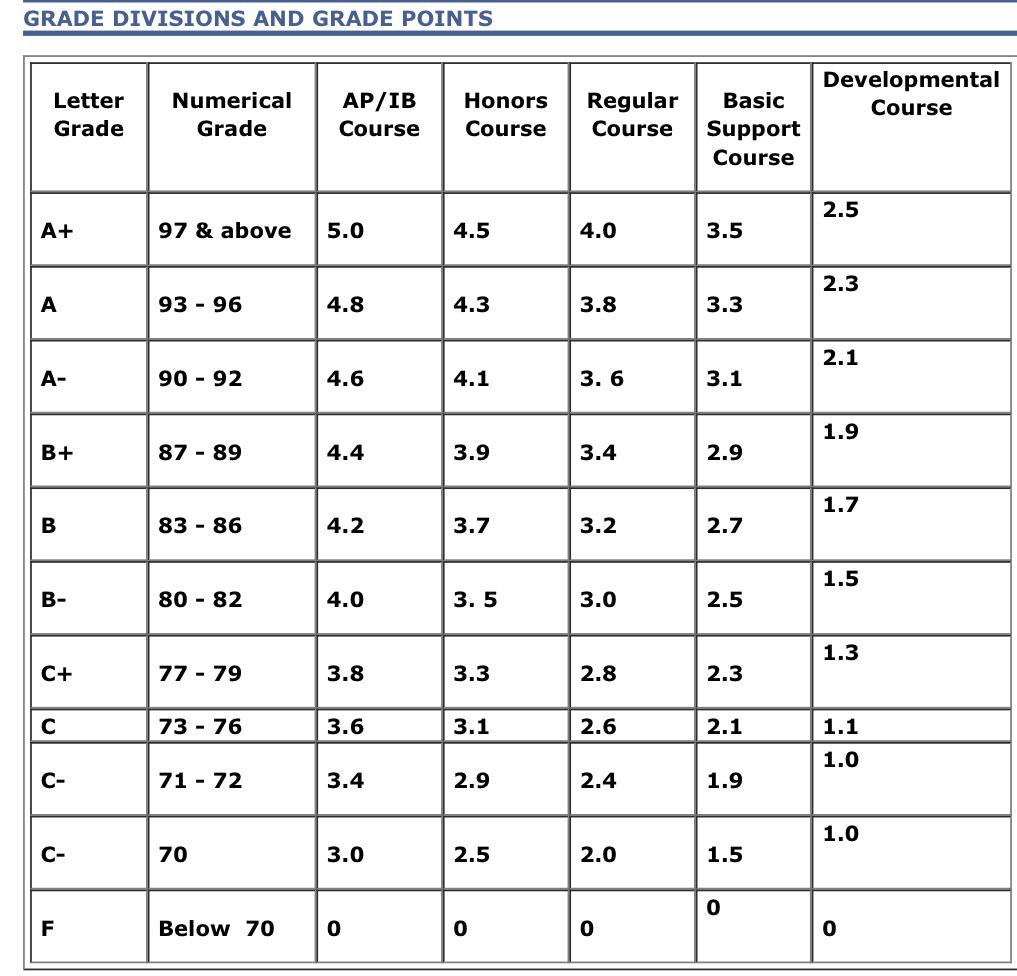
Each letter grade has an associated point value ranging from 4 points for an A down to 0 points for an F. These point values are then multiplied by the number of credits each course is worth to calculate the overall GPA score.
For example, if you earn three As (12 points), two Bs (6 points), and one C (2 points) in six courses worth three credits each (18 total credits), your overall GPA would be 20/18 = 3.33.
How Do Different Schooling Approaches Impact GPAs?
Now that we understand what a high school GPA is let’s dive into how different schooling approaches might affect it.
Traditional Public Schools
Traditional public schools typically follow a set curriculum established by state or local education authorities. Students attend classes on weekdays throughout the academic year following specific schedules created by their teachers and administrators.
In this environment, grades are often determined through exams, essays or other assignments given directly by teachers who may use rubrics as guidelines when grading work submitted by students. The grading system follows the traditional A-F scale described above; however many schools provide additional weight to honors and advanced courses, giving students an opportunity to earn a higher GPA.
Charter Schools
Charter schools are publicly-funded schools that operate independently of traditional public school systems. They often have more flexibility in their curriculum design, teaching methods, and grading structures compared to traditional public schools.
Some charter schools may use alternative grading scales such as mastery-based or standards-based assessments instead of letter grades. Mastery-based assessment prioritizes the demonstration of knowledge and skills over arbitrary deadlines while standards-based assessment focuses on student achievement related to specific learning objectives.
Homeschooling
Homeschooling is where parents choose to educate their children at home instead of sending them to a traditional school. Homeschooled students can follow a set curriculum designed by their parents or choose coursework from various educational providers such as online academies or community college classes.
In this environment, there is no standard system for determining grades; however, many homeschoolers use portfolios or other forms of continuous assessment throughout the year. This approach allows for more personalized feedback and evaluation based on individual goals rather than standardized benchmarks found in traditional schooling environments.
Alternative Schools
Alternative schools provide unconventional approaches to education with programs tailored towards students who have struggled in conventional academic settings. These programs aim at providing an interactive learning experience that emphasizes critical thinking, creativity, and problem-solving skills among others.
Grading systems used in alternative schools vary depending on the program’s philosophy but typically focus on growth-oriented grading strategies which prioritize progress over performance alone. This approach supports self-motivation among learners since they are not solely focused on earning high grades but also developing new skills and knowledge areas beyond what was initially expected from them.
Conclusions:
Overall, it’s clear that different schooling approaches can impact high school GPAs significantly – whether through changes in curriculum design; teaching methodologies; or even grading structures themselves!
Traditional public schools rely heavily on exams/assignments given directly by teachers which can be less flexible than alternative approaches. Charter schools may use different grading scales or assessment methods altogether, while homeschooling provides a highly personalized experience with no standardized benchmarks.
Alternative schools offer unique opportunities for students who seek unconventional learning experiences that prioritize growth-oriented grading strategies. Regardless of your chosen schooling approach, understanding how GPAs are calculated and what factors contribute to them is essential for success in high school and beyond.
 Alternative Amie
Leave a comment