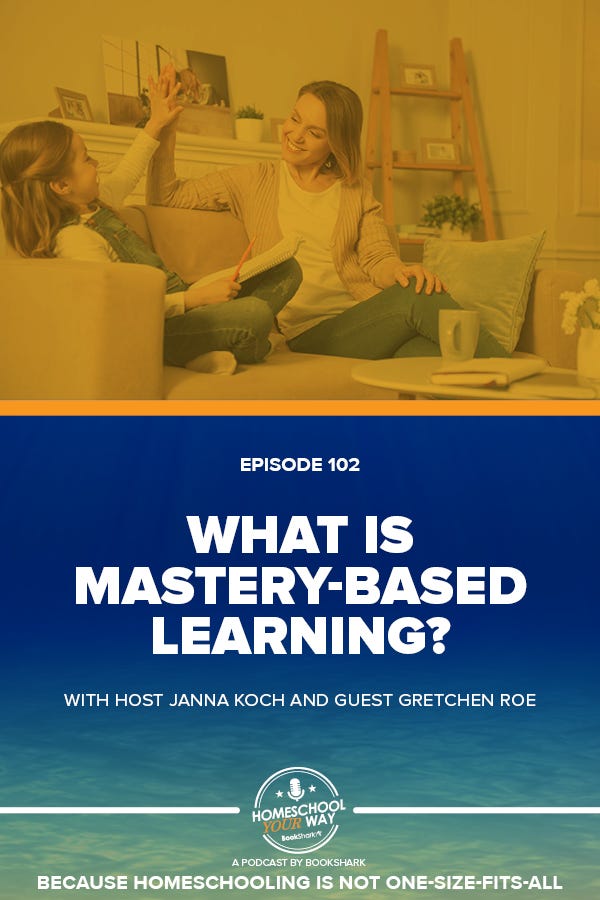
Mastery-based learning is an educational approach that emphasizes student mastery of skills and knowledge rather than just completing coursework. This model allows students to learn at their own pace, with resources and support tailored to their unique needs.
In a mastery-based classroom, students are given clear learning objectives and assessments designed to measure competency in specific areas. Teachers provide ongoing feedback and adjust instruction based on each student’s progress towards mastering these objectives.
One of the primary benefits of mastery-based learning is that it promotes deeper understanding of course material. Instead of simply memorizing facts for a test, students must demonstrate their ability to apply what they have learned in real-world situations. This approach fosters critical thinking skills, creativity, and problem-solving abilities that will serve students well beyond the classroom.
Another advantage of mastery-based learning is increased engagement from students. When learners feel empowered to take ownership over their education and see tangible progress towards goals they set themselves, they become more invested in the process. Students also benefit from personalized attention from teachers who can identify areas where extra support may be needed.
Mastery-based learning has been shown to be particularly effective for struggling or at-risk learners who may not thrive under traditional models of education. By allowing them to work at their own pace without fear of falling behind or being held back by other classmates’ progress, these students can gain confidence in their abilities and develop stronger academic skills.
Overall, mastery-based learning represents a promising alternative to traditional approaches to education that prioritize grades over actual understanding. While this model presents some challenges – including curriculum design and assessment standardization – its potential benefits make it well worth exploring further as we seek new ways to educate our youth effectively in the 21st century.
 Alternative Amie
Leave a comment