Environmental science is an interdisciplinary field that encompasses various scientific fields, including biology, chemistry, physics, and ecology. It is the study of how natural systems and human activities impact the environment and the consequences we face as a result. This subject has become increasingly important in recent years with issues such as climate change, pollution, deforestation, and other environmental concerns becoming more prevalent.
The study of environmental science is essential for understanding our planet’s complex ecosystems. Students learn about topics such as biodiversity conservation, sustainable development practices and how to reduce waste. They also explore ways to identify environmental problems and find solutions by using scientific methods.
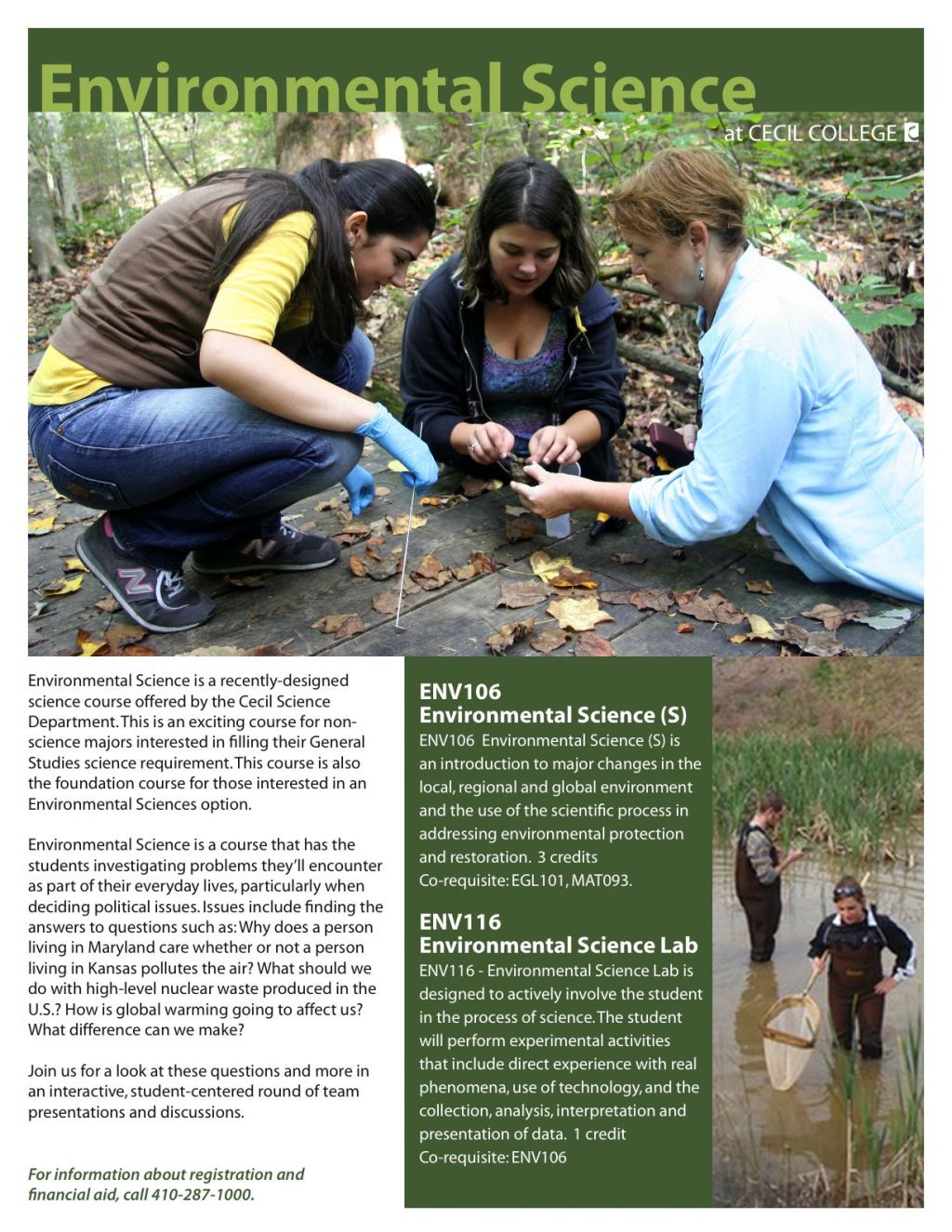
One unique aspect of environmental science education is that it can be taught through hands-on learning experiences in nature or through virtual simulations. For instance, students might collect water samples from nearby streams or rivers to analyze their quality in lab classes. Likewise, they can simulate changes within ecological communities on computer models.
Environmental science courses are now offered at many alternative schooling programs worldwide due to increased demand for students interested in pursuing careers focused on sustainability management or environmental policy-making positions after graduation.
There are numerous career opportunities available for those who choose to pursue a degree in Environmental Science; some examples include working as park rangers studying wildlife populations or assisting with green energy projects like wind turbines installation & maintenance.
In conclusion, if you’re interested in making a difference concerning our planet’s future well-being while considering an alternative approach towards education- then Environmental Science might be an excellent choice for you!
 Alternative Amie
Leave a comment