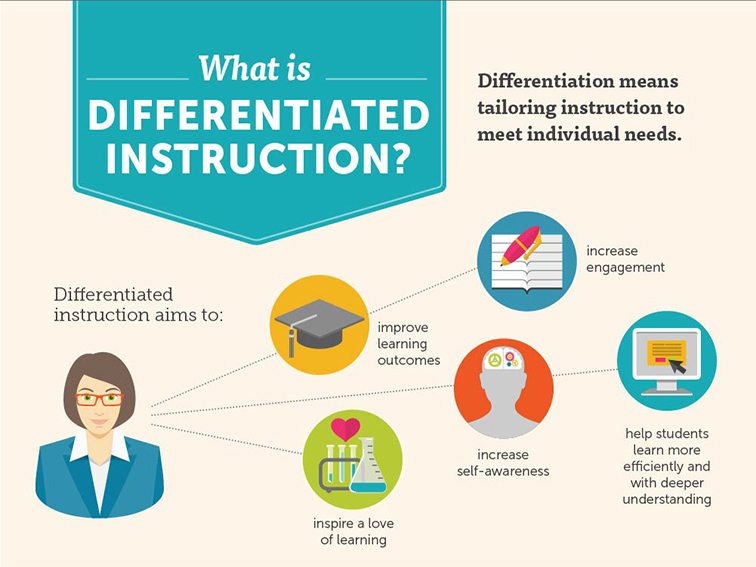
Differentiated instruction is a teaching approach that recognizes the diversity of learners in a classroom. It involves providing students with different avenues to learning based on their unique needs, interests, and readiness levels. This method focuses on individualized learning rather than one-size-fits-all instruction.
Teachers who use differentiated instruction personalize the curriculum and instructional methods for each student, which results in increased engagement, motivation, and academic achievement. In this post, we will explore what differentiated instruction is all about and why it’s essential for alternative schooling and education.
Understanding Differentiated Instruction
Differentiated instruction is grounded in the idea that every student learns differently. Some students may need more time to grasp concepts or require additional support for specific skills. Others may be ready for advanced work or prefer hands-on activities over lectures or reading assignments.
In a classroom where differentiation is practiced, teachers use various strategies such as flexible grouping, tiered assignments, choice boards or menus, centers or stations among others to meet the diverse needs of learners. These strategies enable students to engage with material at their level while still being challenged appropriately.
Flexible Grouping
Flexible grouping refers to organizing students into small groups based on shared characteristics like ability level or interest areas. Teachers group students together so that they can receive targeted instruction from their teacher according to their specific needs.
In an alternative school setting with mixed-age classrooms where there are significant differences in skill levels among students operating within different developmental stages this strategy works well since it allows everyone access to content at their own pace without feeling left behind by peers who might be working ahead of them.
Tiered Assignments
Tiered assignments are tasks that vary in complexity but share similar learning objectives. Students choose from a set of tasks designed at varying difficulty levels depending on their readiness levels while still achieving the same lesson objectives despite not doing precisely the same thing as other classmates.
This means that all learners can participate fully regardless of whether they are struggling with certain concepts or working at a higher level. This can boost motivation and confidence among students who feel more challenged, while those who need extra support can receive it without feeling singled out.
Choice Boards or Menus
A choice board offers students multiple options for how they want to learn and demonstrate their understanding of the lesson content. Some options might include reading an article, creating a video, writing a story or poem, conducting research on a topic related to the lesson, solving problems using real-life examples among others.
This method allows learners with different interests and learning styles to engage with material in ways that are most meaningful to them. It also encourages creativity and critical thinking since students have the freedom to express themselves in unique ways.
Centers or Stations
Centers involve dividing the classroom into sections where each area has its own specific activity or task. Students rotate through these centers throughout the week, completing tasks that are designed according to their readiness levels as well as individual preferences.
For example, one center could be focused on reading comprehension skills like summarizing key ideas from articles while another might involve hands-on activities such as building models using STEM concepts. With this approach, teachers can differentiate instruction based on student needs while still ensuring everyone is working towards similar goals.
Why Differentiated Instruction Is Crucial For Alternative Schooling And Education
Alternative schools cater to diverse populations of students often with varying academic abilities which makes differentiated instruction essential for success within alternative education systems. Inclusion is necessary when teaching children from various backgrounds because there may be significant gaps between what some learners know compared to others at any given time due to many factors including learning disabilities challenges faced by parents/guardians outside school settings financial hardships among other reasons thus necessitating differentiation strategies tailored specifically for each learner’s ability level rather than employing blanket teaching methods that leave some behind in pursuit of others who may be ahead academically but not necessarily better equipped overall than those left behind.
Differentiated instruction places the focus on the learning process rather than just achieving a set of predetermined learning outcomes, which is particularly important in alternative schools where students may have diverse educational goals. Students are given more control over their own learning, which can lead to greater engagement and motivation.
Furthermore, alternative schools often have smaller class sizes that allow teachers to get to know each student better and customize instruction based on individualized needs. With differentiated instruction, teachers can leverage this familiarity with learners by providing personalized feedback that targets specific areas for improvement while recognizing strengths.
Differentiated instruction also supports equity in education because it ensures that all students receive the support they need to succeed regardless of their background or academic ability level. By addressing individual differences using a variety of strategies, learners can access content at their level without feeling stigmatized or excluded from mainstream curriculum activities.
Conclusion
Differentiated instruction is an effective approach for teaching that meets the diverse needs of learners in alternative schooling and education systems. It helps ensure equal opportunities for all students regardless of where they are academically by customizing teaching methods according to individual readiness levels interests talents among other factors leading to increased engagement motivation and success rates. Teachers who use this method provide inclusive environments where everyone’s unique skills are valued and celebrated enabling them meet their full potential as life-long learners not limited by static parameters imposed by cookie-cutter curriculums designed for average students only .
 Alternative Amie
Leave a comment