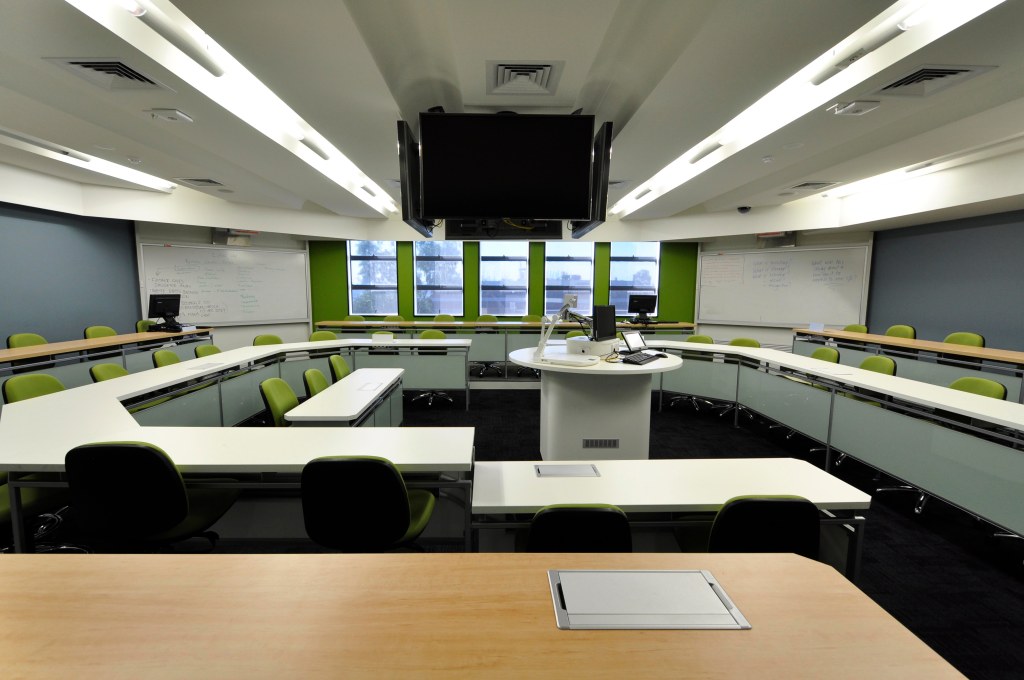
Urban Learning Spaces: Transforming Education in the City
Education is crucial for personal and societal growth, but traditional learning spaces may not always be suitable or accessible to everyone. Urban learning spaces, also known as alternative schools or informal education centers, have emerged as a promising solution to this problem. These unconventional settings offer unique opportunities for students to learn from their surroundings and engage with their communities. In this post, we will explore what urban learning spaces are, how they work and why they matter.
What are Urban Learning Spaces?
Urban learning spaces are educational environments that exist outside of traditional schools. They can take many forms such as community centers, museums, libraries, art galleries or parks. The goal of these places is to create an environment where people can learn through exploration and experimentation rather than solely through lectures or textbooks.
One example of an urban learning space is the Baltimore Free School in Maryland. This school offers free classes on various topics ranging from gardening to social justice issues. Another example is Chicago’s Museum of Science and Industry which features interactive exhibits that allow visitors to experiment with science concepts.
How Do Urban Learning Spaces Work?
Urban learning spaces operate differently than traditional schools because they focus on experiential education rather than standardized curriculum delivery. Instead of following a set curriculum or schedule, learners are encouraged to discover new knowledge by exploring their interests and passions.
These non-traditional environments often use project-based learning approaches where students take ownership of their projects while working collaboratively with teachers or mentors who guide them through the process. For example, in Oakland’s Youth Radio program teenagers interested in journalism produce multimedia content including audio stories about pressing social issues affecting their community.
In contrast to conventional classrooms that follow strict rules regarding behavior and dress code policies; urban learning spaces tend to be more relaxed in terms of dress codes allowing learners more freedom when it comes to expressing themselves creatively during class time.
Why Do Urban Learning Spaces Matter?
Urban Learning Spaces provide an alternative to traditional schooling systems that may not always meet the needs of all learners. They offer a flexible and diverse environment for students who want to learn in a non-traditional way.
Urban learning spaces also promote community engagement and social justice, which is essential in today’s society. By offering free or low-cost education, these centers provide opportunities for people from different socioeconomic backgrounds to access quality education regardless of their financial situation.
Moreover, urban learning spaces have been found to improve student motivation and engagement because they foster an environment where learners can discover new knowledge through experimentation rather than just memorizing information. This approach leads to more active participation among students, which can ultimately lead to better academic outcomes.
Conclusion
Urban Learning Spaces are innovative environments that offer unique opportunities for learning outside of traditional schools. These places allow people from different backgrounds and experiences to come together and learn by exploring their interests in a collaborative setting. With the increasing demand for educational alternatives that cater to individual needs, urban learning spaces are becoming more relevant than ever before. If you’re looking for a place where you can explore your passions while making meaningful connections with your community; then an urban learning space may be the perfect fit!
 Alternative Amie
Leave a comment