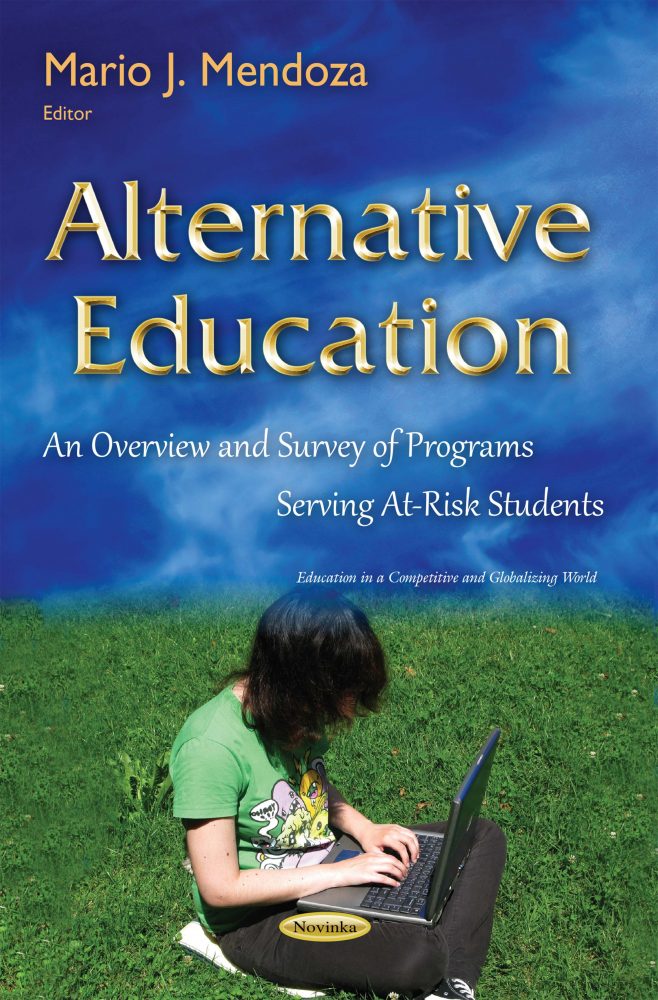
Alternative schooling and education have come a long way in recent years. With the advent of technology, there are now more opportunities than ever to learn outside of traditional classroom settings. Self-paced learning is one such opportunity, allowing students to work at their own speed and take control of their education.
Gamification in online education has also become increasingly popular, using game elements to make learning fun and engaging. This approach can help motivate students to stay on track with their studies.
Personalized learning paths go hand-in-hand with gamification, as they allow students to tailor their educational experience to meet their individual needs. Adaptive learning technology takes this concept even further by adapting coursework based on a student’s strengths and weaknesses.
Collaborative online learning provides opportunities for students to work together on projects and assignments, promoting teamwork skills that will be useful throughout life. Online tutoring and mentoring also offer additional support for struggling learners.
Virtual field trips provide experiential learning without leaving the classroom, while microlearning breaks down larger lessons into bite-sized chunks for easier comprehension. Mobile learning allows for flexibility in where and when students learn.
Blended learning combines traditional classroom instruction with online coursework, providing a well-rounded educational experience that meets the needs of all types of learners. Social media can also be used for education purposes through group discussions or sharing resources.
Open educational resources (OER) make high-quality materials available at no cost, while massive open online courses (MOOCs) provide access to college-level courses from top universities around the world.
Competency-based education focuses on demonstrating mastery rather than seat time or grades, while project-based online learning encourages hands-on application of knowledge. Online language training offers accessibility and convenience for learners worldwide.
Online vocational training provides job-specific skills training that may not be available through traditional schools or programs. Certification programs offer specialized credentials recognized by employers nationwide.
Finally, online teacher professional development ensures educators are up-to-date with the latest teaching techniques and technology. Learning analytics and data-driven decision making help educators assess student progress and adjust strategies accordingly.
Overall, alternative schooling and education options have never been more accessible or diverse than they are today, providing opportunities for all types of learners to succeed in their educational pursuits.
 Alternative Amie
Leave a comment