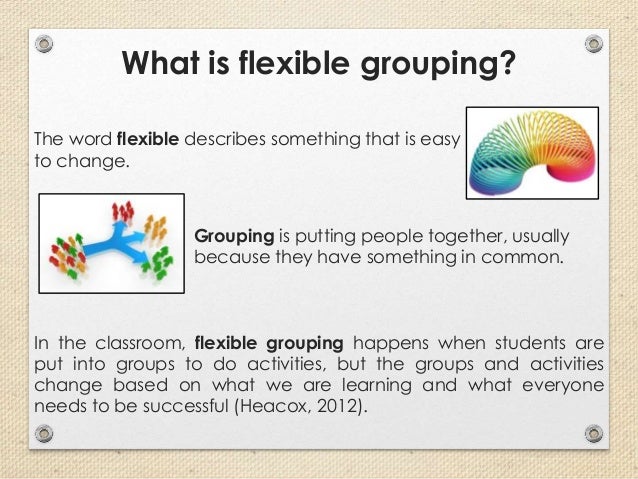
Flexible grouping is a teaching strategy that allows students to work with peers who have similar academic abilities and interests. This approach provides an opportunity for educators to personalize their instruction, which can result in increased engagement and improved learning outcomes.
One of the most common forms of flexible grouping is ability grouping. In this model, students are grouped based on their academic skills and knowledge. This strategy allows teachers to tailor lessons to each group’s needs, providing the necessary support or challenge for each student.
Another form of flexible grouping is interest-based grouping. In this approach, students are grouped based on their shared interests or passions. By working with like-minded peers, students can delve deeper into topics they care about while developing social-emotional skills such as collaboration and communication.
Mixed-ability groups are another type of flexible grouping where students from different skill levels work together on a project or task. This strategy encourages peer-to-peer learning where more advanced learners can help those struggling while reinforcing their understanding of the material.
Overall, flexible grouping strategies provide educators with diverse options to create personalized learning experiences for their students. It’s essential for teachers to understand the strengths and weaknesses of each student before choosing a specific type of flexible groupings that will best meet individual needs in order to enhance student achievement.
 Alternative Amie
Leave a comment