Hybrid Courses: Finding a Balance Between Traditional and Online Learning
As technology continues to advance, more and more educational institutions are turning to hybrid courses as a way to combine the best aspects of traditional classroom learning with the flexibility of online education. In this panel discussion style post, we’ll explore what hybrid courses are, how they work, and their benefits and drawbacks.
What Are Hybrid Courses?
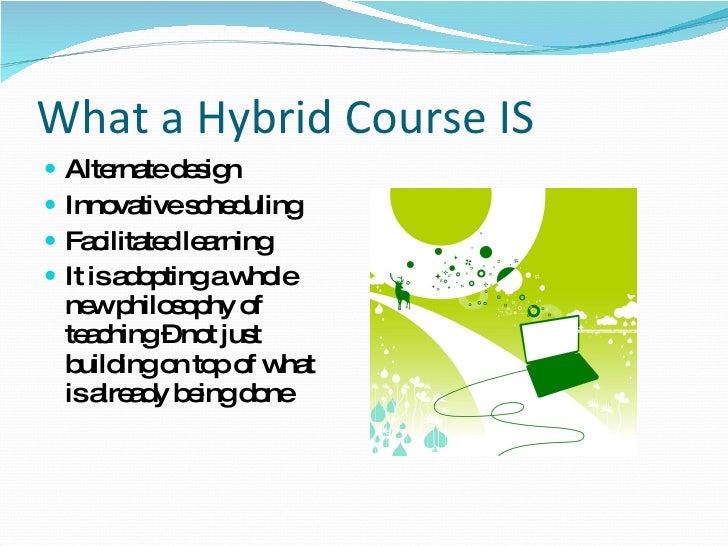
A hybrid course is a blend of both in-person classroom instruction and online learning. This can take many different forms depending on the institution offering the course. For example, some schools may have students attend class in person for part of the week while completing assignments or attending lectures online for the other part of the week. Other schools may have students attend class in person for specific units or topics while completing homework or discussions online.
How Do Hybrid Courses Work?
The exact format of a hybrid course will vary depending on the institution offering it, but most will follow some basic structure that combines both in-person and online components. Typically, students will attend class at least once per week where they’ll participate in discussions with peers and instructors, ask questions about any confusing material from readings or videos watched outside of class time, engage in group activities such as peer review sessions or debates around key concepts.
Outside of these face-to-face meetings, students will also be expected to complete coursework independently through an online platform provided by their instructor or school. This could include reading assigned chapters from textbooks or articles related to course content, watching pre-recorded video lectures delivered by faculty members, submitting written assignments like essays or problem sets via an electronic submission system; participating actively within discussion boards; taking quizzes over material learned during independent study time etc.
Benefits Of Hybrid Courses
One significant advantage that hybrid courses offer is flexibility when it comes to scheduling classes. Students who work full-time jobs often struggle with finding enough time during regular business hours to take classes needed for graduation requirements – especially if they have family obligations or other responsibilities that demand their attention as well. Hybrid courses allow students to complete coursework on their own schedule, which can help them balance competing priorities while still making progress towards their academic goals.
Another advantage of hybrid courses is the ability to receive individualized support and feedback from instructors. When students attend class in person, they have the opportunity to ask questions directly of their professors and receive immediate answers or clarification about difficult concepts. However, when students work independently online outside of class time, it can be more challenging for them to get help if they encounter a problem or don’t understand something fully. With hybrid courses, instructors may use virtual office hours via video-conferencing software like Zoom or Skype to provide personalized assistance where needed.
Drawbacks Of Hybrid Courses
Despite these many advantages, there are also some potential drawbacks associated with hybrid courses that should be considered before deciding whether this format is right for you.
One possible downside is that hybrid courses require a high degree of self-discipline and motivation from students who must manage their time effectively so that they’re able to complete assignments on schedule without falling behind due to procrastination or distractions at home.
Additionally, not everyone thrives in an environment that combines both online and traditional classroom learning styles – some may prefer one over the other depending on personal preferences and learning style characteristics like auditory processing skills vs visual/spatial reasoning abilities etc.
Finally, because hybrid courses rely heavily upon technology infrastructure (such as stable Internet connections), problems with either hardware/software issues could disrupt student’s ability even access course material thereby creating additional stressors related directly towards completing any given assignment within specified deadlines set by course instructors themselves.
Conclusion:
Hybrid courses present a unique opportunity for educators and students alike by blending traditional classroom instruction with online learning tools designed specifically around modern educational needs. While there are certainly some challenges associated with this approach – including managing time effectively – overall it offers numerous benefits such as greater flexibility in scheduling classes, individualized support from instructors via virtual office hours and opportunities for students to engage with course content in new ways. Ultimately, whether or not hybrid courses are right for you will depend on your own personal learning style preferences as well as the specific requirements of your degree program.
 Alternative Amie
Leave a comment