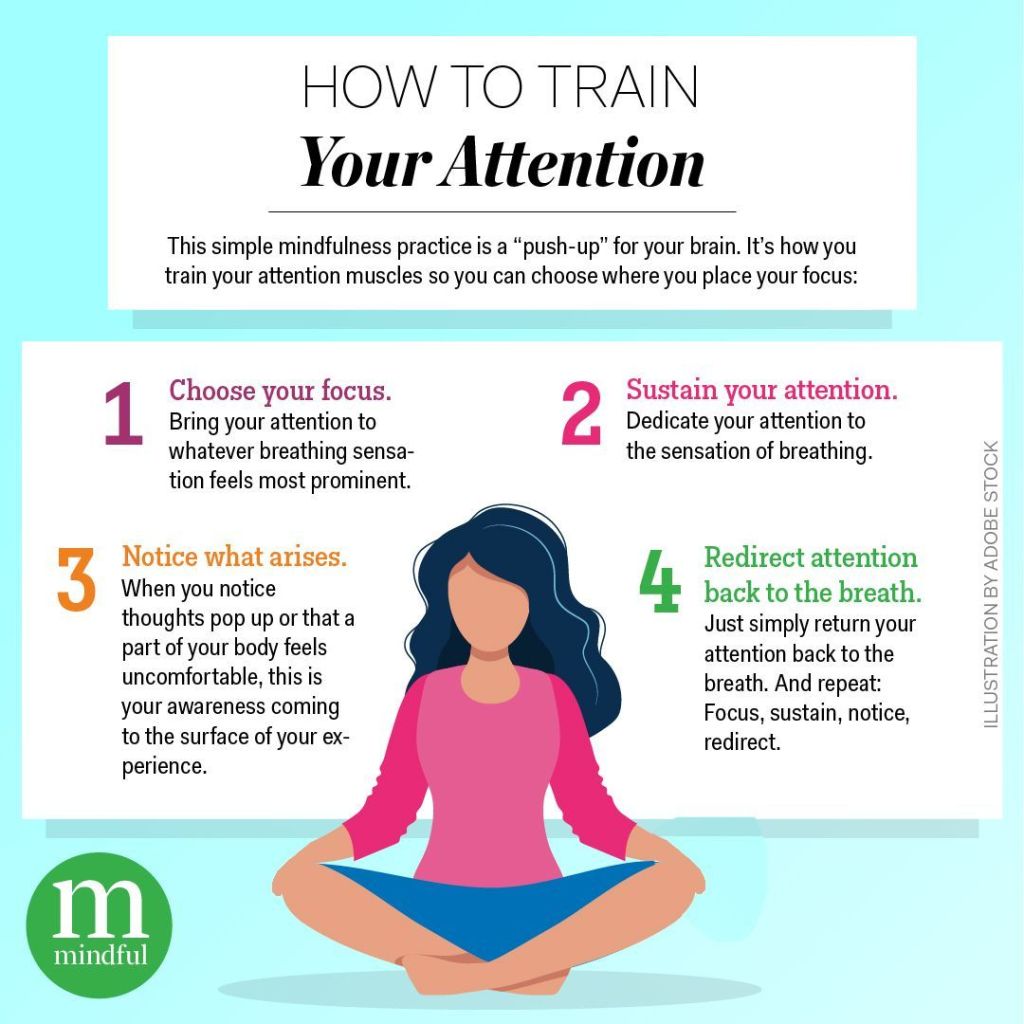
As a self-directed learner, it can be challenging to stay focused and motivated when studying independently. Mindfulness practices offer an effective solution to this problem, helping learners enhance their concentration, boost productivity and develop better self-awareness.
What is mindfulness?
Mindfulness is the practice of being present in the moment without judgment. It involves paying attention to your thoughts, feelings, and bodily sensations with curiosity and openness. The goal of mindfulness is not to eliminate stress or negative emotions but rather to change your relationship with them.
How can mindfulness help self-directed learners?
1. Reducing stress: Self-directed learning often comes with its fair share of stressors such as deadlines, workload, and accountability. Practicing mindfulness techniques like deep breathing exercises or meditation helps reduce anxiety levels while increasing focus and concentration.
2. Enhancing creativity: Mindfulness practices encourage divergent thinking by allowing you to observe your thoughts without getting caught up in them. This approach helps you generate new ideas that may have gone unnoticed otherwise.
3. Improving memory retention: By practicing mindful awareness during study sessions, learners can improve their ability to remember information accurately over time.
4. Developing emotional intelligence: Being aware of one’s emotions allows individuals to manage them effectively both personally and professionally.
5. Increased resilience: Mindfulness helps build resilience by encouraging learners to accept setbacks as part of the learning process rather than failures that define their abilities.
Mindfulness Techniques for Self-Directed Learners
1. Body scan meditation: This method involves lying down or sitting comfortably while mentally scanning through each part of your body from head-to-toe checking for tension points or discomforts that need attention in order for you feel relaxed and at ease before starting any work on a project or task ahead.
2.Deep breathing exercises: Deep breathing slows down heart rate which helps calm nerves when feeling anxious about upcoming assignments etc., making it easier for individuals who struggle with anxiety disorders such as generalized anxiety disorder (GAD) or panic disorder.
3. Mindful listening: This technique involves actively listening to someone without interrupting, judging, or reacting negatively. By doing so, the individual can learn to be more empathetic and understanding towards others’ perspectives while improving their communication skills in the process.
4. Mindful walking: Taking a walk outside and paying attention to your surroundings is an excellent way to practice mindfulness while getting some exercise at the same time.
5. Gratitude journaling: Writing down what you are grateful for each day helps shift focus from negative thoughts and emotions towards positive ones that promote well-being and happiness.
Conclusion
In conclusion, self-directed learners can benefit greatly from incorporating mindfulness practices into their study routines. Whether it’s through meditation exercises, deep breathing techniques or mindful listening strategies- these approaches have shown efficacy in reducing stress levels, increasing creativity levels as well as enhancing memory retention rates among other benefits outlined above. The key takeaway is that mindfulness isn’t just about feeling good but rather developing better awareness of oneself which ultimately leads to being a more effective learner overall!
 Alternative Amie
Leave a comment