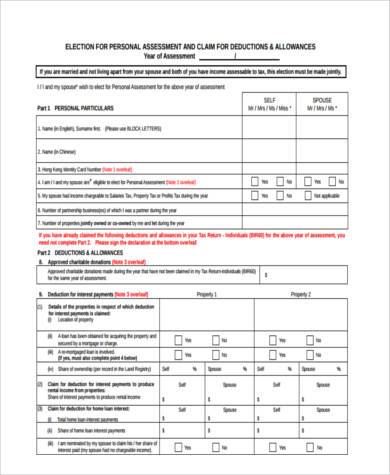
Personalized Assessment and Evaluation: Empowering Students to Reach Their Full Potential
Assessment and evaluation are essential components of any educational system. They provide teachers with insights into how well their students are learning and what areas they need to improve on. Traditionally, assessment has been done through standardized tests that measure a student’s performance against set criteria. However, this one-size-fits-all approach often fails to take into account the unique needs and abilities of individual learners.
In recent years, there has been a growing interest in personalized assessment and evaluation approaches that tailor the learning experience to each student’s specific strengths and weaknesses. This approach recognizes that every learner is unique, with different learning styles, interests, and abilities.
Personalized assessment uses data to identify each student’s level of knowledge, skills, and understanding at the beginning of a course or unit. The teacher then creates an individualized plan for each student based on their starting point. As the unit progresses, ongoing assessments help track progress towards mastery goals while adjusting instruction or activities as needed.
The benefits of personalized assessment are numerous:
1) It promotes self-awareness: Personalized assessments encourage students to reflect on their own learning processes by providing them with feedback tailored specifically for them.
2) It enhances motivation: When students feel like their work is being appreciated individually rather than just comparing it against others’ work makes them more motivated towards achieving better results.
3) It helps target specific areas for improvement: Personalized assessments can pinpoint where exactly the student is struggling so teachers can focus teaching efforts on those areas instead of generalizing across all topics covered in class.
4) It provides opportunities for differentiation: With personalized assessments in place, educators can differentiate instruction based upon each child’s individual needs helping everyone learn at their own pace which further improves overall classroom outcomes.
Here are some examples of personalized assessment methods:
1) Self-reflection journals – In these journals students record their thoughts about what they have learned, what they found challenging and how they might approach a similar task in the future.
2) Peer feedback – Encouraging students to give each other constructive feedback on their work can be very helpful. This process helps them develop social skills while also improving their understanding of the subject matter.
3) Rubrics – These are scoring tools that provide clear criteria for assessing student’s work. They help both teachers and students understand exactly what is expected of them when it comes to performance standards.
4) Adaptive assessments – Computerized adaptive tests adapt to the level of difficulty based upon the answers given by each student. The test adjusts its questions as per each student’s responses, making it more personalized compared to traditional standardized tests.
5) Performance-based tasks – These types of assessments require students to demonstrate knowledge or skills by completing a specific task or project related to learning objectives.
6) Personalized goal setting- Students set individual goals based on their personal strengths and weaknesses which ultimately motivates them towards achieving better results in class assignments and exams
The role of teachers is critical in personalized assessment approaches. Teachers need to create an environment that supports personalized learning by providing opportunities for students to take ownership of their own learning experiences while also providing scaffolding support where needed. Personalized instruction requires teacher creativity, flexibility, patience, and good communication skills with parents/guardians as well as other colleagues within educational departments at large.
The benefits of using these approaches extend beyond just academic achievement. Personalized assessment can build stronger relationships between teachers and students, foster a growth mindset among learners who may have felt left behind under previous testing methods thereby building confidence levels too!
In conclusion, personalized assessment provides a way forward for educators wishing to ensure every child receives an education tailored specifically for them. It offers new insights into how best we can help our learners achieve success by focusing on individual needs rather than trying fit everyone into one single mold. By adopting this approach educators can create a more inclusive, empowering and equitable environment where all students feel valued and supported on their journey towards success.
 Alternative Amie
Leave a comment