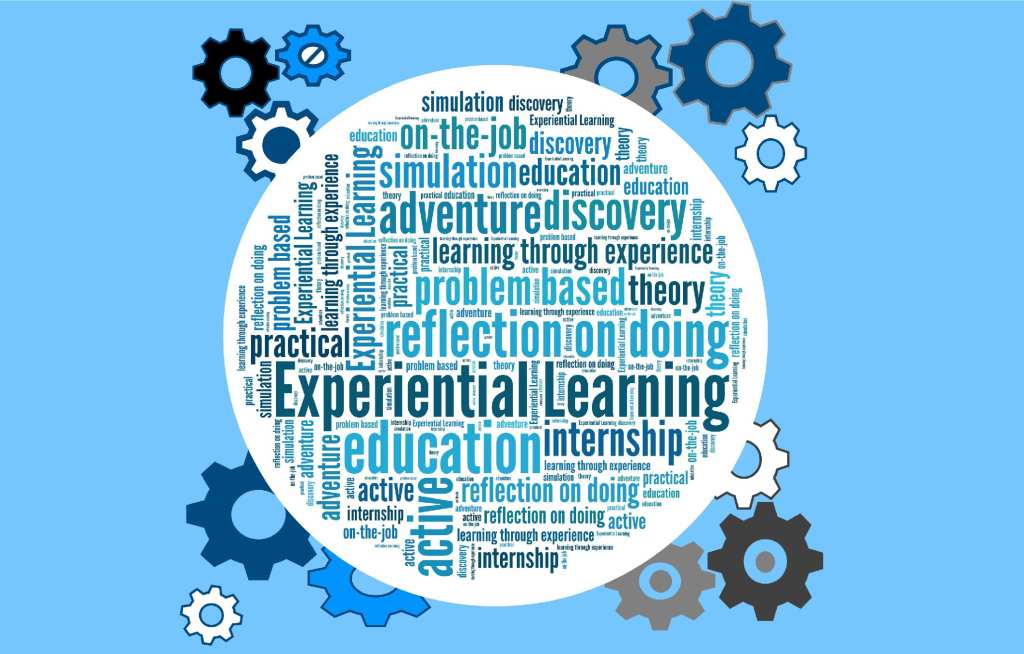
Experiential learning has been touted as the new and improved way to educate students. It’s all about learning by doing, right? But what exactly is experiential learning, and does it really live up to all the hype?
First off, let’s define experiential learning. At its core, it’s a teaching method that emphasizes hands-on activities and real-world experiences over traditional classroom lectures. The idea is that students will better retain knowledge if they’re actively engaged in the learning process.
On paper, this sounds great. Who wouldn’t want to learn through exciting experiences rather than boring lectures? However, in practice, there are some serious flaws with this approach.
For one thing, experiential learning can be incredibly expensive. Schools need to invest in equipment and resources for field trips or other hands-on activities. This puts a strain on already tight budgets and can limit the number of opportunities available to students.
Another issue is that experiential learning often relies heavily on group work. While collaboration can be beneficial in certain situations, it shouldn’t be relied upon exclusively. Some students thrive when working independently but might struggle when forced into group projects.
Additionally, not all subjects lend themselves well to experiential learning. It might be easy enough to take a science class outside for a nature walk or a biology dissection lab but how do you make math or language arts an immersive experience?
Furthermore,the emphasis on practical skills comes at the cost of theoretical knowledge . In many fields such as engineering , medicine or law which require extensive theoretical knowledge along with practical application , providing only practical experiences may lead to incomplete understanding
Perhaps most concerning though is whether experiential education actually improves academic achievement . Despite anecdotal evidence suggesting otherwise studies have shown no significant difference (or even poorer performance ) in standardized tests taken by those who learned through experential methods compared with those who learned through traditional methods .
In conclusion while Experential learning seems like an exciting and innovative approach to education, its benefits are far from conclusive. There are certainly situations where it can be effective, but it’s not a one-size-fits-all solution. Rather than focusing solely on experiential education, we need to consider a range of teaching methods that cater to the diversity of our students’ needs and strengths.
 Alternative Amie
Leave a comment