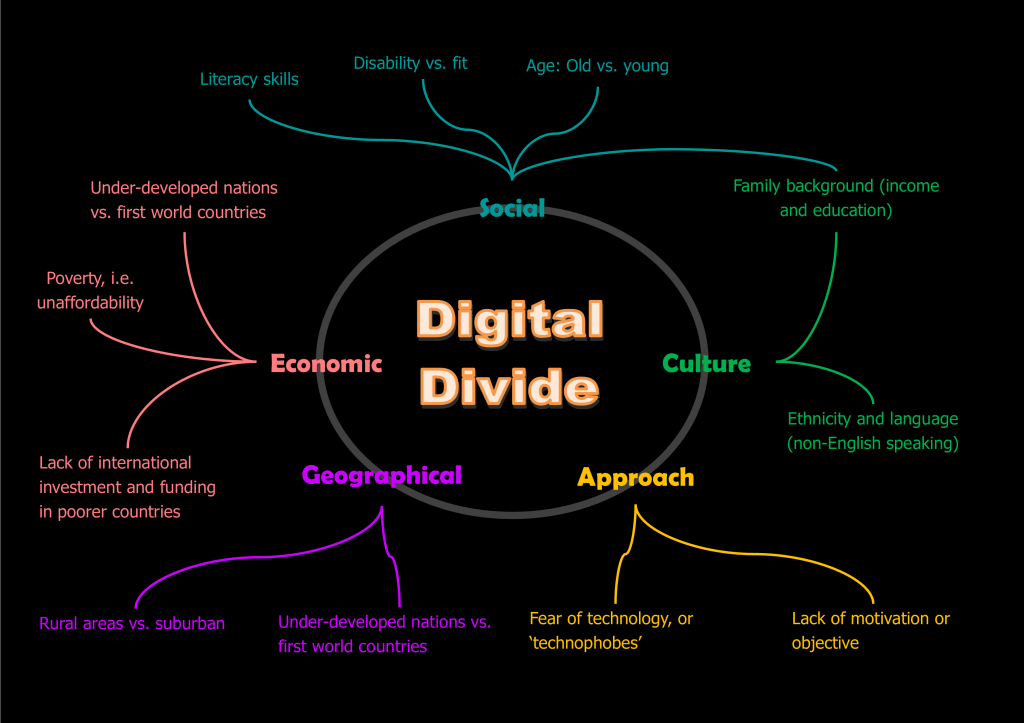
Access to Technology in Urban Areas: Bridging the Digital Divide
Technology has become an integral part of our daily lives, from communication to entertainment and education. However, not everyone has equal access to technology, especially those who live in urban areas. This digital divide can have a significant impact on educational and economic opportunities for individuals and communities.
The lack of access to technology can create significant barriers for students trying to learn. With many schools now relying heavily on online resources, students without reliable internet access or personal devices are at a disadvantage compared to their peers. According to the National Center for Education Statistics, 14% of children ages 3-18 do not have internet access at home.
Furthermore, even when students have access to technology at school or public libraries, they may not be able to use it effectively if they don’t receive adequate training or support. Teachers need professional development opportunities and resources that help them integrate technology into their teaching practices.
In addition to impacting education outcomes, the digital divide also affects economic opportunities. Many jobs require basic computer skills or knowledge of specific software programs. Without these skills, job seekers may struggle with finding employment or advancing in their careers.
Bridging this divide requires a multi-faceted approach that involves both government initiatives and community-based efforts. One such initiative is ConnectHomeUSA launched by the Obama Administration in 2015 which aims at providing low-cost broadband services as well as free training on how best people could utilize internet services.
Local governments can also play a crucial role by investing in infrastructure like public Wi-Fi hotspots and offering tax incentives for tech companies willing to provide affordable services within underserved communities.
Community-based organizations are equally important players when it comes addressing this issue. These organizations offer essential support by providing computer classes targeting all ages including young adults who might benefit most from learning about new technological advancements such as coding skills which are becoming more relevant each day.
Another aspect of bridging the digital divide in urban areas is focusing on increasing access to affordable devices such as computers and tablets. There are various nonprofits organizations that provide low-cost or free computers and internet services for people who cannot afford them. For instance, PCs for People, a non-profit organization, recycles donated PCs refurbishing them before giving out to underprivileged communities.
In some cases, tech companies are also stepping up to bridge this gap by offering initiatives that help close the digital divide. Google Fiber has been providing high-speed internet connections at affordable rates in certain cities since 2010. Other technology giants such as Microsoft have launched programs like TEALS which connects computer science professionals with teachers in order to increase computer science education opportunities.
However, there is still a long way to go when it comes to ensuring equal access to technology across all urban areas. The COVID-19 pandemic has highlighted just how important reliable internet access is for work and school but also exposed underlying issues of inequality within our society.
To bridge this gap effectively requires a comprehensive approach that includes government initiatives, community-based organizations, private sector investment and training programs focused on educating individuals about new technological advancements.
In conclusion, bridging the digital divide is an essential task that will require collaboration among these groups mentioned above if we want everyone in our society to have equal opportunities regardless of their backgrounds or geographical location.
 Alternative Amie
Leave a comment