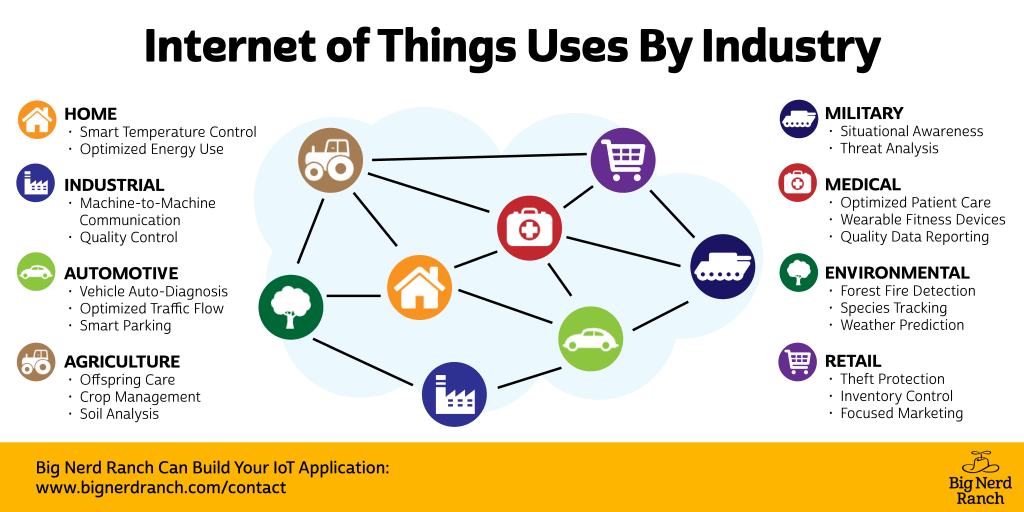
The Internet of Things, or IoT for short, is a term used to describe the technology that allows everyday objects to connect and communicate with each other over the internet. This includes everything from smart homes and wearables to industrial machines and medical devices.
One of the most significant benefits of IoT is its potential to improve efficiency in various industries. For example, sensors can be placed in factories to monitor equipment performance and alert maintenance teams when repairs are needed. In healthcare, remote monitoring devices can help doctors track patients’ health conditions more closely.
IoT also has enormous implications for education. With this technology, teachers can create interactive learning environments that adapt to each student’s needs. Wearable devices can track students’ physical activity levels during recess or PE classes and provide personalized feedback on their fitness progress.
However, there are also concerns about privacy and security when it comes to IoT. The sheer amount of data generated by these connected devices means that cybersecurity risks must be taken seriously. As we continue to rely more heavily on IoT technology in our daily lives, it’s crucial that we prioritize data protection measures.
Another issue related to IoT is accessibility concerns for those who may not have access or knowledge of how the technology works. It’s important that educators take steps towards ensuring all students have equal opportunities when it comes to utilizing these technologies in their learning experiences.
In conclusion, while there are both advantages and disadvantages associated with the implementation of IoT technology across various industries – including education – if used correctly it has incredible potential for improving efficiency and enhancing learning experiences for students around the world so long as safeguards are put in place regarding privacy and accessibility issues moving forward into an increasingly digital age.
 Alternative Amie
Leave a comment