Investing can seem daunting, especially when you’re new to the game. But with the right mindset, knowledge and guidance, it can be a fruitful journey towards financial freedom. In this panel discussion style post, we’ll be discussing investing from different perspectives of our experts.
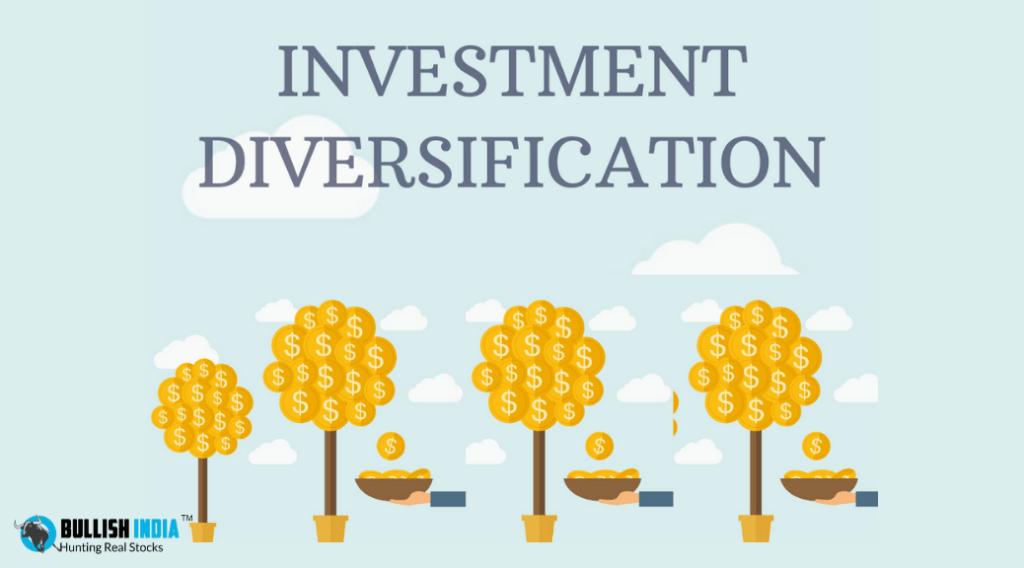
Firstly, we have John Doe who works as a Portfolio Manager in an investment company. According to John; “Investing is all about risk and reward management”. He emphasizes the importance of diversification for investors at any level to minimize their risk in any given investment portfolio. Diversification means not putting all your eggs in one basket by spreading out your investments across different asset classes like stocks, bonds or mutual funds.
Secondly, we have Jane Smith who is a Financial Advisor and Coach. She believes that before anyone dives into investing they must first pay off their debts and establish an emergency fund that will cover at least six months’ worth of expenses. This will help them avoid using high-interest debt to finance emergencies that may arise during their investment journey.
Thirdly, Peter Brown who is an entrepreneur and real estate investor suggests considering alternative forms of investments beyond traditional stock markets such as real estate or private equity deals which are less vulnerable to market fluctuations compared to public stock trading markets.
Fourthly, Maria Lee is a self-taught investor who has been successfully managing her own portfolio over the years through learning from resources both online and offline. According to her; “Beginners should start small by investing in index funds or exchange-traded funds (ETFs) which offer diversified exposure on broad-based indexes like S&P 500.”
Furthermore, our expert panel agreed unanimously on several things potential investors need when getting started regardless of skill level including:
1) Establishing realistic goals: Investors must set achievable targets based on their individual needs rather than attempting unrealistic ones.
2) Creating a budget: A well-planned budget helps investors track expenses better thereby freeing up funds for investment purposes.
3) Continuous learning: They advise that investors should always keep learning and updating their knowledge on financial matters to make informed investment decisions.
4) Seeking professional advice when necessary: Investors are advised not to be afraid of seeking help from professionals when they encounter difficult challenges while investing.
In conclusion, investing can be a rewarding journey if done correctly. It’s important to remember that there is no one-size-fits-all approach and everyone has different needs based on their financial situation, risk appetite and goals. However, with the right mindset, education and guidance anyone including those in alternative schooling or education can successfully navigate through this process.
 Alternative Amie
Leave a comment