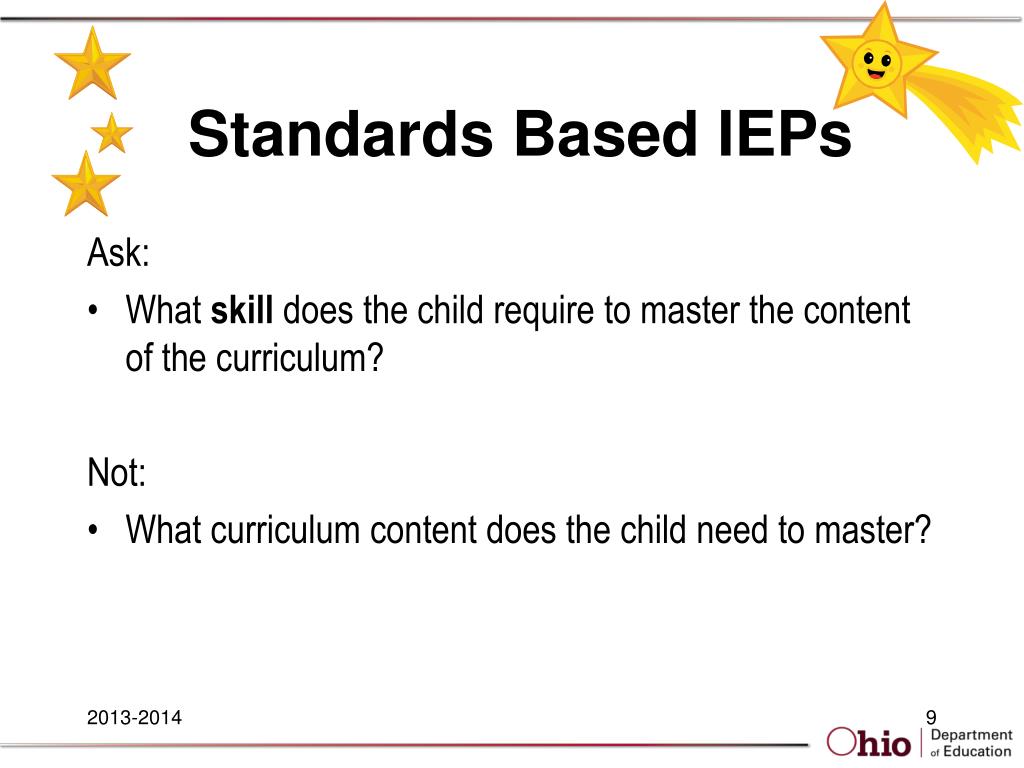
Individualized Education Plans (IEPs) are essential for students with disabilities to receive appropriate education and support. However, creating effective IEPs can be challenging, especially when considering the diverse geographic locations of students. In this tutorial-style post, we will discuss various factors that need to be considered while developing IEPs for students living in different regions.
1. Rural vs Urban IEPs:
Students living in rural areas may face different challenges than those living in urban areas. The availability of resources, healthcare facilities, transportation options, and access to technology can vary significantly between rural and urban regions. As a result, IEP goals may differ based on these factors.
For example, students who live in rural areas may have limited access to specialized services such as speech therapy or occupational therapy due to a shortage of trained professionals or long travel times required to reach them. Therefore the development of an effective IEP must take into account geographic location and availability of resources.
2. IEPs for Students in Remote Areas:
Remote areas typically refer to places far from cities where people often have limited access to essential services such as hospitals or schools. Developing an appropriate IEP requires addressing potential barriers like distance and cost involved in providing necessary educational services such as assistive technology or specialized instruction.
In remote areas where internet connectivity is weak or non-existent special consideration must be given for virtual meetings through alternative communication methods such as teleconferencing or video conferencing.
3. IEPs for Students in Inner Cities:
Urban environments are usually densely populated with high levels of pollution and noise making it difficult for some children with certain disabilities requiring specific accommodations like ADHD medication management strategies not conducive outside school settings like inner city homes.
IEP goals should address challenges related specifically associated with living within city limits including highly congested traffic patterns that make it difficult logistically; lack of green spaces negatively impacting learning opportunities; social-emotional limitations due environmental stressors.
4. IEPs for Students in Coastal Regions:
Students living near the coast may encounter unique challenges such as natural disasters, flooding and extreme weather conditions which can make access to education difficult at times. The use of mobile classrooms or virtual learning tools should be considered when addressing these situations.
IEP goals must also consider environmental factors like saltwater corrosion that can damage assistive technology or students with mobility issues requiring additional consideration within their accommodations.
5. IEPs for Students in Mountainous Regions:
Mountainous regions often have harsh terrain making it challenging for some students with physical disabilities to access school buildings due to steep inclines or rugged mountainsides.
IEP goals should address these challenges by including mobility devices to improve accessibility or alternative modes of transportation such as a lift system if needed, along with academic accommodations tailored towards their needs while attending school in this geographic location.
6. IEPs for Students in Desert Regions:
Deserts are hot and dry environments where students may face different challenges compared to other regions like varying temperatures throughout the day, sandstorms, and limited water sources that can impact educational opportunities.
The development of an effective IEP requires addressing potential barriers like distance and cost involved in providing necessary educational services such as assistive technology or specialized instruction that will allow them succeed academically despite their surroundings.
7. IEPs for Students in Tropical Regions:
Tropical regions are characterized by high levels of humidity, precipitation and tropical storms/hurricanes which increase risk associated with certain disabilities related specifically around respiratory issues such as Asthma Management Plans.
IEPs should consider both environmental factors specific to tropical settings alongside individual student needs when creating appropriate goals and planning interventions designed around those requirements identified through team meetings held between parents/guardians/school administrators/teachers/therapists working together on behalf of their child receiving special education services within this environment
8. IEPs for Students in Arctic Regions:
Arctic regions are characterized by cold temperatures and limited daylight hours during certain times of the year. The environment can be challenging for students with disabilities such as sensory impairments or mobility issues due to icy conditions.
IEP goals should address these challenges by including winter clothing, assistive technology designed specifically for cold weather environments alongside academic accommodations tailored towards their needs while attending school in this geographic location.
9. Cultural Considerations in IEP Development:
Culture plays an essential role in IEP development because it impacts how individualized plans are created and implemented. It is important to consider cultural norms, beliefs, and values when developing IEPs, especially if a student comes from a diverse background.
10. Language Barriers and IEP Development:
Language is another crucial consideration when creating effective IEPs. Students who don’t speak English may require additional support to understand their educational goals and objectives fully. Interpretation services must be provided where needed to ensure all parties involved have access to important information.
11. Access to Resources and Services in Rural Areas:
Rural areas often have limited resources compared to urban areas making it difficult for students with disabilities requiring specialized equipment or therapies that may not be available locally without significant travel distances involved which could lead into difficulties associated costs related factors around transportation expenses like gas/rental cars/flight tickets/etcetera.
12.Transportation Challenges And IEP Implementation:
Transportation can pose challenges when implementing IEPs, particularly if students live far from schools or need specialized modes of transportation like wheelchair accessible buses/vans/trains etcetera .
IEP teams need to identify potential barriers related specifically around transportation logistics so that appropriate accommodations can be made as part of the implementation process
13.Weather-Related School Closures And Their Impact on IEPs:
School closures due severe weather events (like hurricanes) impact children with special needs disproportionately since they rely heavily on structured routines established within classroom settings providing them with stability and security they may not receive at home.
14. Natural Disasters And Their Impact on IEP Implementation:
Natural disasters like earthquakes, hurricanes or wildfires can disrupt students’ educational plans, making it difficult for them to access the resources and services they need to achieve their goals. Schools must be prepared to provide additional support and assistance when these events occur.
15.Accessibility Accommodations for Students with Physical Disabilities Living in Different Geographic Locations:
Students with physical disabilities require specific accommodations that may vary based on geographic location. For example, students living in mountainous regions may need different mobility devices than those living near the coast due to unique terrain challenges associated with each environment.
16.Environmental Factors Affecting Student Learning and Development of Appropriate Goals Within an IEP:
Environmental factors such as pollution levels or noise can impact student learning negatively. It’s essential to consider these factors when creating appropriate IEP goals tailored towards individualized needs of each student while accounting for surroundings they find themselves within a given day
17.The Role of Community Involvement in Developing Effective Geographically-Based IEPs:
Community involvement is crucial when developing effective geographically-based IEPs since local knowledge about resources available can help address potential barriers around transportation logistics while also providing insight into cultural norms/ values that could inform overall planning process going forward
18.Best Practices for Conducting Virtual Or Remote Meetings To Develop Or Review a Student’s IEP When Distance Is A Factor:
Virtual meetings are increasingly becoming popular within education circles allowing participants from diverse geographic locations participate effectively without travel costs incurred by traditional face-to-face meetings; hence best practices must be identified around scheduling team members across multiple time zones ensuring all parties have equal opportunity participate fully during meetings regardless where they reside geographically
19.Addressing Unique Needs Of Migrant Or Transient Student Populations Through Individualized Education Plans:
Migrant & transient families often move frequently due work-related reasons/ environmental disasters. IEPs must be designed with mobility in mind; hence need to take into account potential disruptions around educational continuity as a result of school transfers or switching schools frequently.
20.Issues Related To Funding:
IEPs require significant funding, and issues such as budget cuts or inadequate resources can negatively impact the development and implementation of these plans. Alternative Schooling and Education websites often offer various resources to help overcome these challenges, including grants, scholarships, or other financial assistance programs for students needing additional support services.
 Alternative Amie
Leave a comment