Ethnobotany and Plant Identification: Top 10 Tips for Alternative Schooling and Education
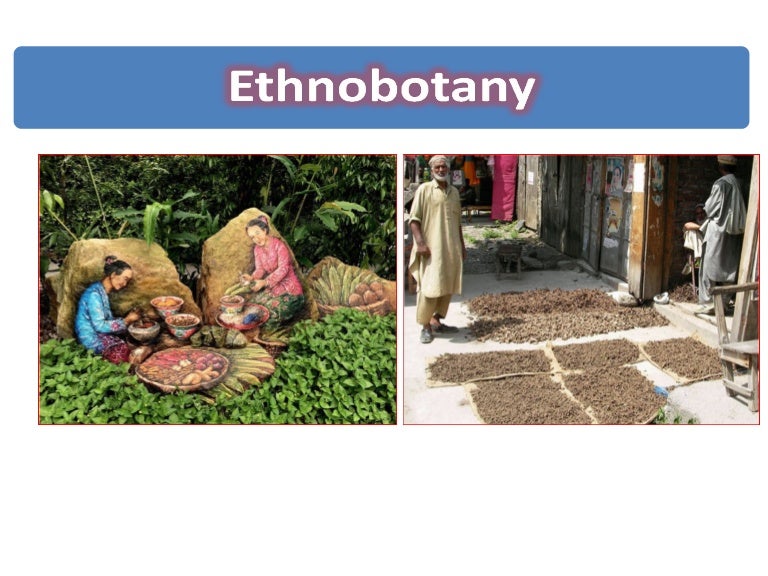
Ethnobotany is the study of how people use plants in their everyday lives. It’s a fascinating field that combines science, history, and culture. Ethnobotanists strive to understand how different cultures have used plants throughout history, as well as how they continue to use them today.
Plant identification is an essential skill for anyone interested in ethnobotany or other related fields such as herbalism, botany, or agriculture. Being able to identify plants accurately can help you better understand their properties and uses.
Here are ten tips for learning about ethnobotany and plant identification:
1. Start with the basics
If you’re new to ethnobotany or plant identification, start with the basics. Learn about common plant families, flower parts, leaf shapes, and other characteristics that can help you identify different species.
2. Use a field guide
A good field guide can be an invaluable resource when it comes to identifying plants. Look for guides that are specific to your region and include clear photos or illustrations of each species.
3. Join a local group
Joining a local ethnobotanical society or botanical garden club can be an excellent way to learn from experts in the field. These groups often organize workshops on plant identification techniques and offer opportunities for hands-on learning.
4. Take a course online
There are plenty of online courses available on ethnobotany and plant identification that can help you develop your skills from anywhere in the world.
5. Attend a workshop
Attending a workshop led by experienced ethnobotanists will give you hands-on experience identifying plants in the wild while also gaining valuable knowledge about traditional uses of those same species.
6. Visit botanical gardens
Botanical gardens often contain collections of rare and exotic plants from around the world which make them ideal places for studying plant diversity up close.
7. Practice, practice, practice
The more time you spend identifying plants, the better you’ll become at it. Take every opportunity to identify different species in the field, and don’t be afraid to make mistakes.
8. Work with a mentor
Finding a mentor who has experience in ethnobotany or plant identification can be incredibly valuable. They can help guide your studies and provide advice on how to improve your skills.
9. Use technology
There are many smartphone apps available that can help you identify plants using photos taken with your phone’s camera.
10. Keep learning
Ethnobotany and plant identification are vast fields that are constantly evolving. Make sure to keep up-to-date with new research and techniques by reading scientific journals, attending conferences or workshops, or joining online discussion groups.
In conclusion, learning about ethnobotany and plant identification can enrich our understanding of the world around us while also providing valuable insights into traditional cultures’ practices when it comes to utilizing nature for different purposes such as medicine making or food production. Whether you’re an alternative schooling student or simply someone interested in these topics out of curiosity, following one or more of these tips will undoubtedly help you develop your knowledge base further.
 Alternative Amie
Leave a comment