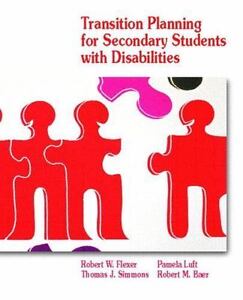
Transition planning is a crucial process for students with disabilities. It is the process of preparing them for life after high school and ensuring that they achieve their post-secondary goals. The Individuals with Disabilities Education Act (IDEA) mandates transition planning as part of the Individualized Education Program (IEP) process. In this article, we will answer some frequently asked questions about transition planning.
Q: When should transition planning begin?
A: Transition planning should begin no later than age 16, although it can start earlier if appropriate. Starting early gives everyone involved more time to develop a comprehensive plan.
Q: Who participates in the transition planning process?
A: The student, parents or guardians, teachers, and other relevant stakeholders should participate in the transition planning process. The IEP team usually leads the process.
Q: What are some common post-secondary goals for students with disabilities?
A: Common post-secondary goals include attending college or vocational school, finding employment or starting a business, living independently, joining the military or AmeriCorps programs, and participating in community activities.
Q: What services are available to help students achieve their post-secondary goals?
A: Students may be eligible for services such as vocational rehabilitation counseling, job training and placement assistance, assistive technology devices and services, transportation assistance, financial aid and scholarships.
Q: How does transition planning differ from traditional academic education?
A: Transition planning focuses on developing skills that will help students succeed in adult life rather than just academic skills. This includes self-advocacy skills like communication skills needed to request accommodations at work or college; daily living skills like budgeting money; socialization skills like making friends or networking professionally; career exploration activities like job shadowing; resume writing workshops etc.
In conclusion
Transition planning is an essential aspect of special education that helps students with disabilities prepare for life beyond high school by providing them with resources such as career exploration opportunities tailored specifically towards their interests, goals and abilities. It is a collaborative effort between the student, parents, educators, and other stakeholders to develop a comprehensive plan that meets their needs and ensures they achieve their post-secondary goals. By starting early and involving all relevant parties in the process, students can receive the necessary support services that will help them succeed in life.
 Alternative Amie
Leave a comment