Experiential learning is a powerful way of education that emphasizes the importance of hands-on experiences, problem-solving, and critical thinking. This type of learning is based on the belief that people learn best by doing things themselves rather than just reading or listening to someone else’s experience.
Alternative schools and educational programs have long embraced experiential learning as an effective way to teach students. In this post, we will explore what experiential learning is all about, how it works in practice, and why it has become such a vital part of alternative schooling and education.
What Is Experiential Learning?
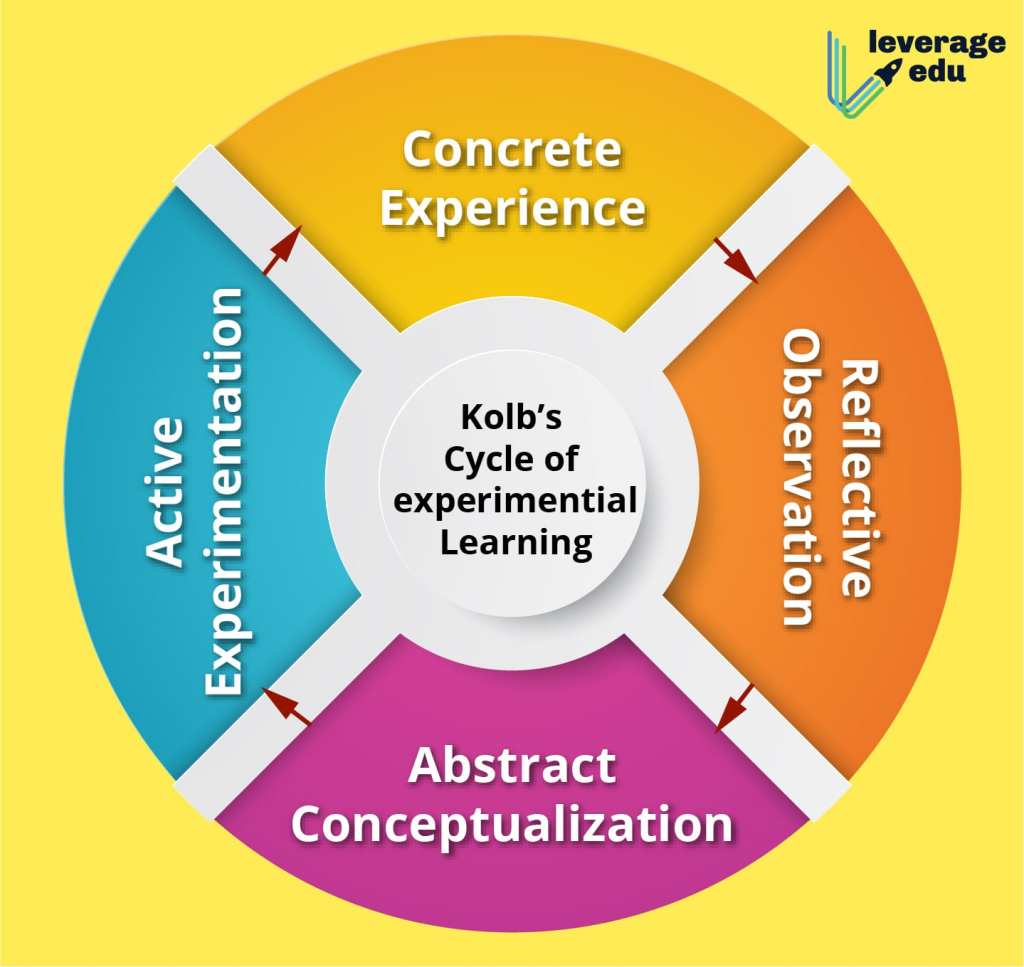
Experiential learning is a form of education that focuses on active participation in real-life situations. It involves both theoretical knowledge and practical applications to solve problems effectively. The process includes four stages: concrete experience, reflective observation, abstract conceptualization, and active experimentation. Each stage builds upon the previous one to create an immersive approach to learning.
One essential aspect of experiential learning is its emphasis on reflection. Through reflection, learners can make sense of their experiences by examining what they did right/wrong during the activity or event they experienced. As they reflect on their actions’ consequences and outcomes during an activity or project-based assignment; students can develop better problem-solving skills while gaining self-awareness.
How Does Experiential Learning Work?
Experiential learning relies heavily on real-world activities such as field trips or internships where students engage with professionals in various fields to gain practical exposure in work environments beyond conventional classroom lectures.
For instance, instead of teaching physics purely through textbook examples; teachers might choose instead to take their class outdoors for experiments where students launch rockets into the air using water pressure bottles or construct circuits with electronic components kits like Snap Circuits® from Elenco Electronics Inc., designed for children aged 8+ years old but also used by older high school students taking introductory courses in electronics engineering.
The most effective experiential learning takes place when the learners become part of an immersive experience that challenges them to apply what they have learned in real-world settings. It is not just about hands-on experiences but also about active engagement, critical thinking, and problem-solving.
Why Has Experiential Learning Become So Popular In Alternative Schools?
Experiential learning has become popular among alternative schools as it aligns with their general philosophy of treating students as individuals with unique needs and abilities. By providing opportunities for students to learn through experiences outside of conventional classrooms, alternative schools can create a more engaging and dynamic learning environment.
Alternative schools that use experiential learning methods understand that there are many different ways for students to gain knowledge beyond lectures or textbooks. They believe that by providing multiple avenues for exploration – whether through field trips, research projects, community service activities or internships – each student can find their own path towards academic success.
Moreover; experiential learning provides a foundation for lifelong self-discovery and growth because it encourages creativity and innovation while building resilience in the face of failure. Through this method of education, learners develop skills that will serve them well throughout life: communication, collaboration, empathy & emotional intelligence which are essential soft skills required in today’s workplaces where teamwork is valued over individual achievements.
Benefits Of Experiential Learning
1) Improved Academic Performance
Research shows that experiential learning improves academic performance by increasing motivation levels among students and improving retention rates. When learners engage in collaborative projects or hands-on activities; they retain information better than those who only read about the same topic from textbooks or listen passively during lectures.
2) Enhances Critical Thinking Skills
Experiential learning helps develop critical thinking skills because it requires students to analyze problems actively and think creatively about possible solutions. This approach challenges them to evaluate evidence critically rather than simply memorizing facts without understanding how those facts relate to real-life scenarios.
3) Cultivates Soft Skills
Experiential learning encourages students to develop soft skills such as communication, collaboration, problem-solving, empathy & emotional intelligence. These skills are essential in today’s job market where employers seek candidates who can work well with others and adapt to changing situations.
4) Boosts Confidence And Self-esteem
Participation in experiential learning activities helps build self-esteem and confidence because it allows learners to take risks, learn from failure and grow through reflection. When students feel confident about their abilities, they are more likely to perform better academically and socially
5) Prepares Students For The Real World
Experiential learning prepares students for the real world by providing opportunities to apply theoretical knowledge in practical settings. It also exposes them to different cultures, perspectives and ways of thinking which is a valuable asset when entering the job market or pursuing higher education overseas.
Conclusion
Experiential learning has become a vital part of alternative schooling and education because it aligns with their philosophy of treating students as individuals with unique needs and abilities. This approach creates an engaging environment that fosters creativity while building resilience through active engagement, critical thinking & problem-solving.
Moreover; experiential learning improves academic performance by increasing motivation levels among students while enhancing retention rates. It cultivates soft skills like communication, collaboration & empathy that are highly valued in today’s workplace environments where teamwork is crucial for success.
Finally; experiential learning boosts confidence levels among learners who have experienced risk-taking opportunities that allowed them to learn from failure while growing through reflection rather than just memorizing facts without understanding how those facts relate to real-life scenarios- making it an ideal method of teaching for alternative schools determined on creating successful lifelong learners.
 Alternative Amie
Leave a comment