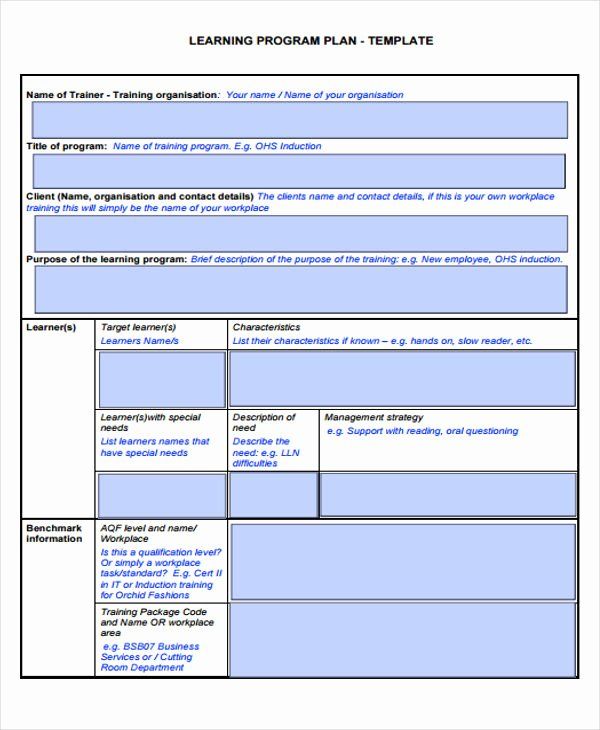
Personalized Learning Plans: The Future of Education
Education is evolving rapidly, and personalized learning plans (PLPs) are at the forefront of that evolution. PLPs have been gaining popularity in recent years as a way to tailor education to meet individual student needs. In this panel discussion, we will explore the benefits and challenges of implementing PLPs in schools.
Panelists:
1. John Smith – Principal at an alternative high school
2. Sarah Lee – Parent and advocate for special needs students
3. Dr. Maria Rodriguez – Educational Psychologist
Moderator: Rachel Brown – Journalist
Rachel: Let’s start with a basic question: what exactly is a personalized learning plan?
John: A personalized learning plan is a customized plan created for each student based on their strengths, interests, and academic needs.
Sarah: It’s like an IEP (Individualized Education Plan) but not just for students with disabilities. It takes into consideration all aspects of the student’s life including home environment, cultural background, family support system, etc.
Maria: Yes, and it also includes goals and objectives that are specific to the student’s individual needs.
Rachel: So why do you think PLPs are important? What benefits do they offer?
John: PLPs allow teachers to focus on each student’s unique needs instead of teaching to the middle or lowest common denominator.
Sarah: As a parent of a child with special needs, I believe that PLPs provide more opportunities for success because they take into account how my child learns best.
Maria: And from an educational psychology perspective, research shows that when students feel understood by their teachers and supported through their individual struggles they perform better academically overall.
Rachel: That sounds great! So what are some challenges associated with implementing PLPs?
John:
One challenge is time management; creating individual plans requires more time than traditional lesson planning.
Another challenge can be assessing progress since assessments may look different for each student.
Sarah: And sometimes, schools may not have the resources to create a customized plan for every student.
Maria: Another challenge is that some educators may be resistant to change and view PLPs as an extra burden on their already demanding workload.
Rachel: How do you address these challenges?
John: Time management can be addressed by providing professional development for teachers and support staff. This training should include how to create effective personalized learning plans, strategies for managing multiple plans, and assessment techniques that work with individualized goals.
Sarah: Resources can be a challenge; however, it’s important for schools to recognize the importance of individualized education and allocate funding accordingly.
Maria: Resistance to change can be addressed through open communication about the benefits of PLPs. Educators need to understand how this approach leads to better academic outcomes in the long run.
Rachel:
Great points! So what does successful implementation of PLPs look like?
John:
Successful implementation involves collaboration between students, parents/guardians, teachers, support staff such as counselors or psychologists. All stakeholders must work together regularly reviewing progress towards goals set forth in the personalized learning plan.
Sarah:
Individualization should also involve incorporating outside experiences into a child’s education such as internships or volunteer opportunities related to their interests or career goals
Maria:
Finally,
successful implementation involves ongoing assessment and reflection on progress toward achieving goals outlined in the plan. Adjustments should be made when necessary based on data from assessments.
Rachel:
Thank you all very much! Before we wrap up our discussion today – I would like each panelist has any final thoughts they would like share about PLPs?
John:
I believe that personalized learning plans are essential for creating an environment where every student can succeed regardless of their background or academic abilities.
Sarah:
As a parent who advocates for special needs children- I think it is crucial that we ensure all students receive equitable access to quality education.
Maria:
I agree with my fellow panelists and would like to add that it’s important for teachers to remember that personalized learning plans are not a one-size-fits-all solution. Instead, they should be viewed as the starting point of an ongoing conversation between educators, students, and families.
Rachel:
Thank you all so much for your insights today! It is clear from our discussion that personalized learning plans hold great promise in providing equitable access to quality education for all students.
 Alternative Amie
Leave a comment