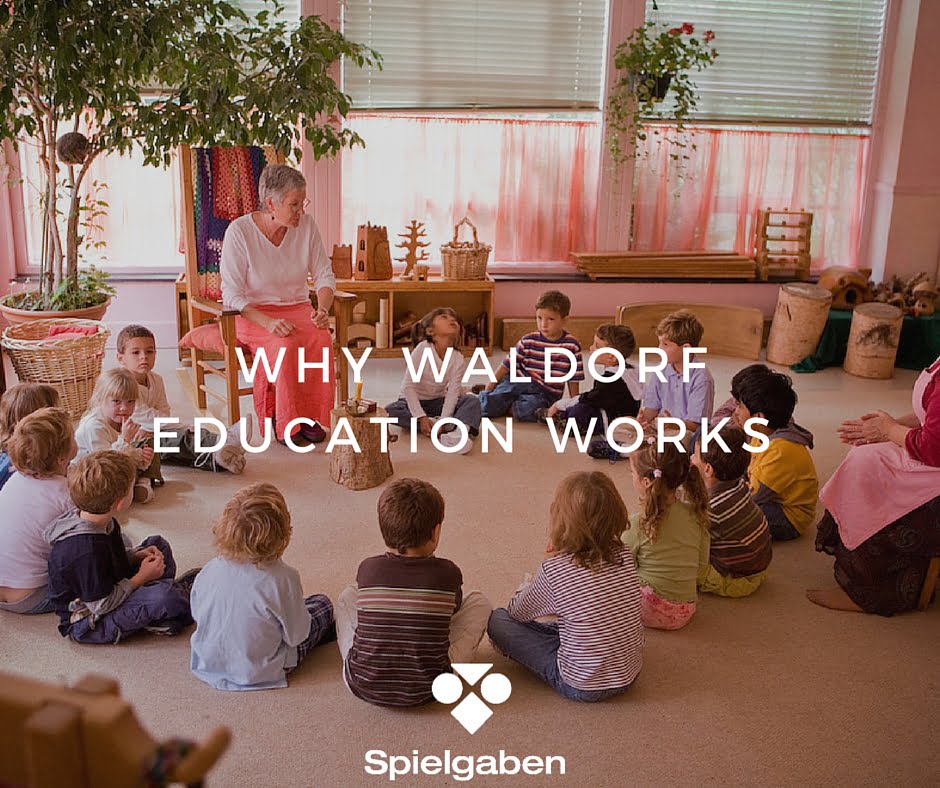
Waldorf education is a unique educational philosophy that aims to foster the holistic development of children. It was founded by Rudolf Steiner in 1919 and has since gained popularity worldwide. This article will explore some of the subtopics related to Waldorf education, including the role of storytelling, approach to science and technology education, importance of play in early childhood education, curriculum for high school students, anthroposophical foundations, art integration, foreign language teaching methodology, movement-based learning techniques, nature-based learning practices, emotional intelligence development strategies, music and singing in classroom activities and lessons.
The Role of Storytelling in Waldorf Education
Storytelling is an integral part of Waldorf education. The belief is that stories can help children learn about life experiences in a more meaningful way. By listening to stories told by their teachers or parents within the community setting where they live or attend school regularly as well as reading books on their own time at home or other settings outside formal classrooms during leisure hours (bedtime stories), children are able to develop better listening skills which aid them in processing information more effectively throughout their lives.
Waldorf Approach to Science and Technology Education
In contrast to traditional schools’ focus on memorization and standardized tests when it comes to science subjects like chemistry or physics class projects with computer programming languages such as Python; Waldorf schools emphasize hands-on experimentation through observation rather than rote memorization. Technology classes may also be taught from an artistic perspective like web design using HTML/CSS or Scratch coding software that allows kids creativity while still developing technical skills.
The Importance of Play in Early Childhood Education
Play is considered crucial for young children’s cognitive development as it helps them build social skills through interaction with others and improve critical thinking abilities which are essential for lifelong learning success later on academic environments like colleges/universities etc., Additionally fostering imagination through creative play activities can lead into greater self-confidence levels.
Waldorf Curriculum for High School Students
Waldorf high schools offer courses in a wide range of subjects, including humanities, sciences, and the arts. The curriculum is designed to help students develop critical thinking and problem-solving skills through hands-on exploration of topics like geometry or biology.
Anthroposophical Foundations of Waldorf Education
The anthroposophical foundations of Waldorf education are based on the teachings of Rudolf Steiner who believed that every human being has a spiritual nature. Therefore, Waldorf educators incorporate spiritual development into their educational practices by encouraging children to explore questions about life’s purpose from an early age.
The Role of Art in Waldorf Education
Art is an essential part of Waldorf education as it helps children develop their creativity and imagination while also enhancing their motor skills through activities like painting or drawing which can be used as therapeutic tools later in life when stress levels increase.
Waldorf Approach to Teaching Foreign Languages
Waldorf schools use a holistic approach to teaching foreign languages where they start with simple phrases before gradually moving onto more complex sentences. Teachers often use songs or rhymes along with stories that engage children actively during lessons rather than boring grammar rules which could lead them feeling overwhelmed quickly if not presented properly.
Integrating Movement and Physical Activity into the Curriculum
Movement-based learning techniques are incorporated into many aspects of Waldorf education at all grade levels due to researches’ proven benefits on child development. For instance, physical activity classes may include yoga or dance lessons but can cover scientific theories related specifically around anatomy/physiology knowledge acquisition as well.
The Significance Of Nature-Based Learning In Waldorf Education
Nature-based learning focuses on using nature itself as a tool for learning. It encourages students to spend time outdoors observing natural phenomena such as plants growing or animals interacting with one another so they can learn more about environmental sustainability issues affecting our planet today while building stronger connections with other living beings will serve them well later in life.
Developing Emotional Intelligence Through Waldorf Education
Emotional intelligence development is an essential part of Waldorf education. Teachers help students develop empathy and compassion towards others by encouraging them to explore their own feelings and emotions through various activities like journal writing or meditation techniques.
Music and Singing in the Waldorf Classroom
Music is an important part of Waldorf education as it helps children develop their creativity, motor skills, and critical thinking abilities while also fostering socialization skills. Students may learn singing along with playing various instruments from simple percussion pieces to more complex arrangements using stringed instruments like violins.
Supporting Children With Special Needs In A Waldorf Setting
Waldorf schools are committed to supporting all children’s growth regardless of ability levels. Teachers work closely with parents to create individualized plans for each student based on his/her needs so that they can achieve success academically while still receiving attention tailored specifically around their unique learning styles.
Parent Involvement And Communication In A Waldorf School Community
Parent involvement is encouraged at every level within the community setting where a child attends school regularly – whether attending parent-teacher conferences or volunteering to assist with classroom activities such as field trips or fundraising events throughout the year which helps maintain positive relationships between educators, families, students alike over time leading into greater academic outcomes overall.
Incorporating Mindfulness Practices Into The Curriculum
Waldorf schools incorporate mindfulness practices into their curriculum in many ways including daily meditations during morning assembly sessions before classes start; breathing exercises incorporated into physical activity periods; art projects that focus on self-awareness such as mandala coloring books etc., These practices can help students better manage stress levels, improve focus/concentration when studying challenging subjects later on while also helping them become more resilient over time during life’s ups/downs encounters people experience through different age stages.
The Use Of Technology In A Waldorf Classroom
Technology use is limited within the curriculum and only used when essential to developing skills needed for success in today’s digital age. Teachers use technology as a tool to supplement learning rather than relying on it entirely, and students are encouraged to be mindful of how much time they spend interacting with electronic devices each day.
Understanding Child Development Through A Waldorf Lens
Waldorf educators take a holistic approach to child development that focuses on supporting children’s physical, emotional, and spiritual growth. They believe that by helping children develop critical thinking skills through artistic activities like storytelling or music lessons while fostering self-confidence levels; kids can become better prepared for lifelong learning beyond the classroom environment itself.
Creating A Holistic Learning Environment Through Biodynamic Farming Practices
Biodynamic farming practices are incorporated into many aspects of Waldorf education. These techniques help students learn about sustainable agriculture while also fostering connections between humans and nature which helps them appreciate food sources more deeply leading towards greater environmental awareness overall.
Celebrating Festivals And Seasonal Rhythms In The Classroom
Waldorf schools celebrate seasonal rhythms throughout the year, including traditional holidays such as Christmas but also other celebrations marking significant dates related specifically around nature cycles like equinoxes/solstices etc., Students may learn about traditions from different cultures relating to these events while participating in festive activities throughout the school day/week/month accordingly.
Nurturing Creativity And Imagination Through Artistic Expression
Artistic expression is an integral part of Waldorf education since it helps children develop their creativity and imagination skills. Art projects may include painting or drawing along with sculpting/clay work where students can express themselves freely without fear of judgment from peers or teachers alike leading into greater confidence levels over time during life stages encountered afterward outside formal schooling settings.
Social Justice And Diversity Within The Context Of A Waldorf Community
Waldorf schools promote social justice values through their curriculum by encouraging students to explore diverse perspectives within society through various readings/discussions/activities focused on different cultures/religions/ethnicities etc., This helps promote empathy towards others while breaking down barriers between people of varying backgrounds ultimately leading to greater respect for diversity overall.
 Alternative Amie
Leave a comment