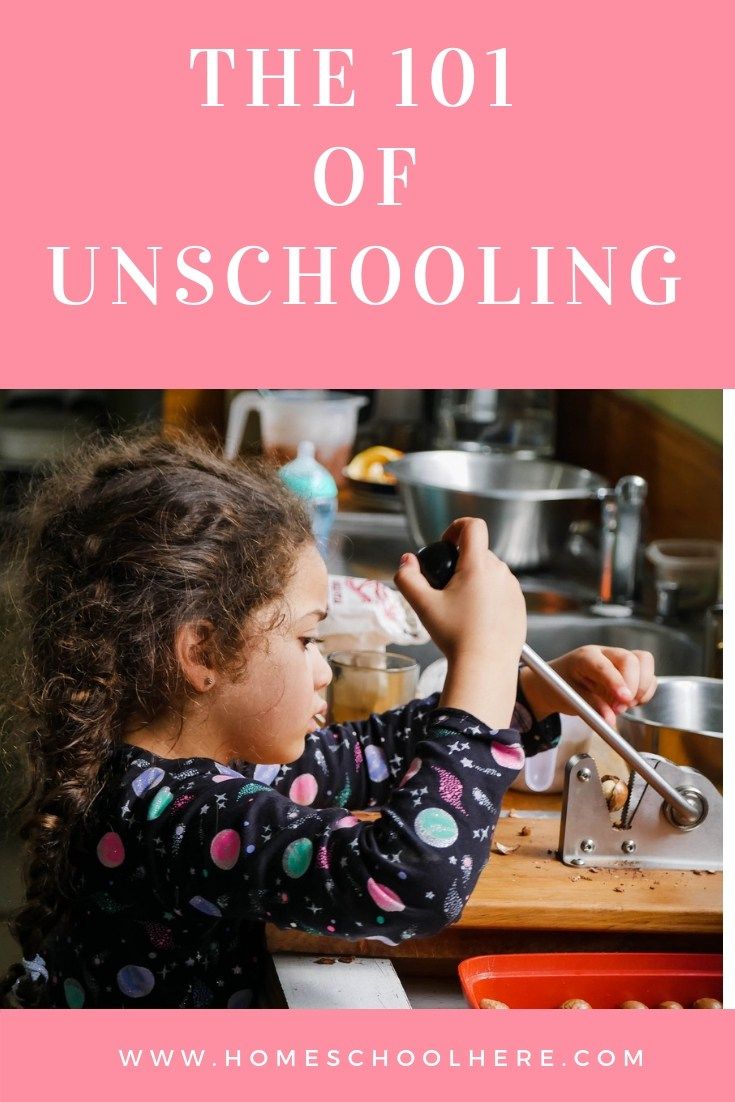
Unschooling: The Unconventional Approach to Education
If you’re a parent, you know that the education system is often frustrating. The traditional school model doesn’t always work for every student. Thankfully, there is an alternative approach to education – unschooling.
What is unschooling? It’s a form of homeschooling where children learn by following their interests and passions. Instead of following a set curriculum, they are free to explore what interests them. This can include anything from playing video games to learning about science or art.
The beauty of unschooling is that it allows children to take control of their own education. They are free to pursue what they enjoy and learn at their own pace without the pressure of grades or assessments.
Of course, this unconventional approach may seem daunting at first. After all, isn’t structure important in any learning environment? Yes and no.
While there may not be a structured curriculum in unschooling, there is still structure in terms of routine and goal-setting. Parents who practice unschooling ensure that their children have access to resources like books, online courses, museums, and other educational materials.
Moreover, because children are encouraged to follow their passions and interests through self-directed learning activities rather than being forced into a rigid schedule with little room for creativity or exploration as seen in traditional school settings; they tend towards becoming more confident learners with unique sets of skills tailored specifically towards them based on their passion-driven pursuits.
One major advantage of unschooling over traditional schooling is flexibility – parents can tailor the learning experience according to each child’s needs without worrying about standardized tests or exams dictating what should be learned when.
Children do not need grades; instead they thrive on feedback from parents who offer constructive criticism while also praising efforts along the way.
Another key benefit lies in fostering independence since students must become self-sufficient enough so as not only rely solely on others but also capable enough to navigate life once they leave school.
The unschooling approach also allows families to spend more quality time together. With the flexibility of homeschooling, parents can take their children on educational field trips or travel the world and learn about different cultures first hand. This helps kids develop social skills and gain real-world experiences that they would not get in a traditional classroom setting.
Unschooling may seem like a daunting task for some parents, but with a little bit of planning and organization, it’s an incredibly rewarding experience for both parents and children alike.
Another common misconception about unschooling is that it leaves gaps in knowledge since there is no set curriculum. However, this is far from true because when children pursue what interests them, they end up learning much more than if they were forced into a one-size-fits-all curriculum.
Children who are allowed to follow their passions tend to retain information better because it’s important and relevant to them; unlike in traditional schooling where many students forget things as soon as tests are over.
Furthermore, unschooled children often develop critical thinking skills since they are encouraged to ask questions rather than just memorizing facts by rote.
In conclusion, Unschooling may not be for everyone; however, those who have tried it swear by its effectiveness at providing individualized education tailored specifically towards each child’s needs while fostering independence through self-directed learning activities without sacrificing quality family time or socialization opportunities either!
 Alternative Amie
Leave a comment