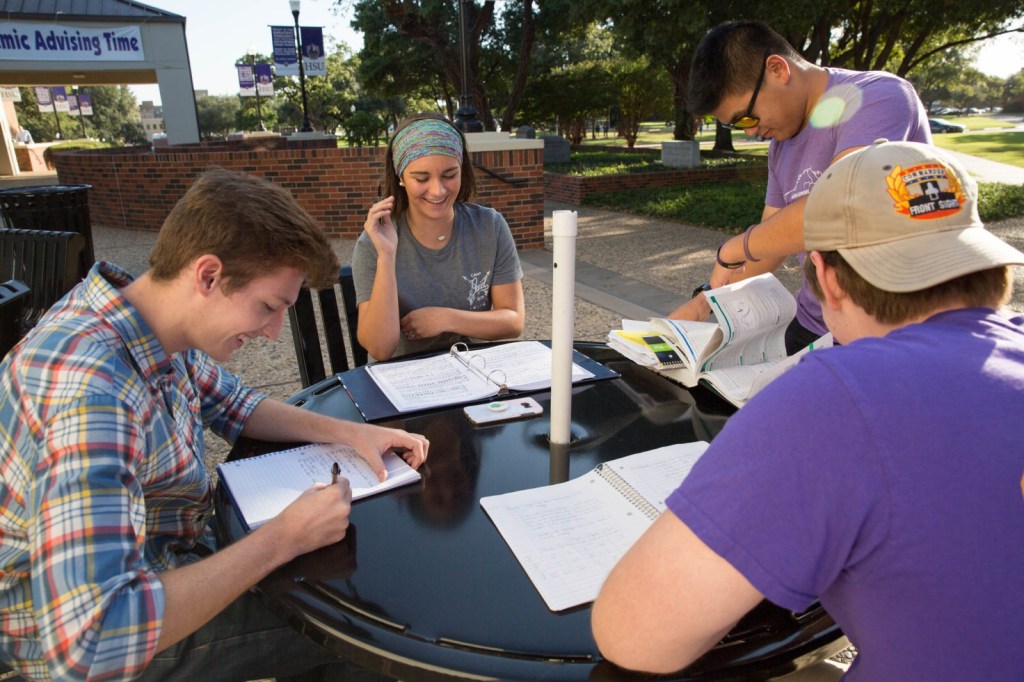
Peer mentoring programs have become increasingly popular in schools as a way to provide support and guidance to students who may benefit from additional resources. These programs pair a more experienced student with a newer or struggling student, allowing the mentor to offer advice and assistance in areas such as academic achievement, social-emotional development, and school culture.
One area where peer mentoring has shown particular promise is with at-risk students. These are typically students who come from disadvantaged backgrounds or face challenges such as poverty, homelessness, or family instability. Peer mentors can provide these students with the understanding and empathy they need to overcome obstacles and stay focused on their education.
Similarly, peer mentoring for students with disabilities has been successful in helping those individuals navigate their unique challenges within the school environment. Mentors can act as role models for disabled students while also offering practical support for tasks like note-taking or navigating physical barriers on campus.
LGBTQ+ students often struggle with issues of isolation and discrimination within traditional schooling environments. Peer mentoring provides an opportunity for these individuals to connect with others who share similar experiences while receiving guidance on how to navigate potential conflicts that may arise.
First-generation college students face unique obstacles when it comes to pursuing higher education. Peer mentors who have already gone through the process themselves can offer valuable insights into what steps need to be taken in order to succeed academically and socially during college.
Students dealing with mental health challenges often require additional support but may feel uncomfortable seeking help from adults they do not know well. A peer mentor can serve as a trusted confidant who understands what they are going through without judgment or stigma.
English language learners face significant hurdles when it comes to mastering new vocabulary and grammatical structures in addition to keeping up academically. By working one-on-one with a peer mentor, these individuals can receive personalized assistance that addresses their specific needs while building confidence in speaking English fluently.
Project-based learning environments lend themselves well towards incorporating peer mentors, as students are often working collaboratively on group projects. A peer mentor can offer guidance and support during these activities while also promoting teamwork and communication skills.
Maker spaces and innovation labs provide an opportunity for students to engage in hands-on learning experiences that foster creativity and problem-solving skills. Peer mentors who have already completed similar projects or have experience with the technology being used can help guide newer students through the process more effectively.
Online learning communities can sometimes feel isolating, particularly if there is little interaction between classmates or teachers. Peer mentoring programs that incorporate virtual meetings or messaging systems allow students to connect with others in a meaningful way while receiving academic support.
Cross-age peer mentoring programs benefit both younger and older students by allowing them to learn from each other’s experiences and perspectives. Younger mentees may receive academic support while older mentors gain leadership skills and empathy for those who are just starting out on their academic journey.
Peer mentor training should be a vital part of any program’s success. This involves teaching mentors how to communicate effectively, set realistic goals, identify areas where their mentee needs additional assistance, and track progress over time.
Technology can play a significant role in successful peer mentoring programs by providing virtual meeting spaces, messaging systems for ongoing communication between mentors/mentees, online resources such as discussion forums or educational materials related to specific topics like mental health awareness or study strategies.
The impact of peer mentoring on academic achievement has been well documented in several studies conducted over the past few years. Students who participate in these programs tend to perform better academically than those who do not receive this type of support.
Social-emotional development is another area where peer mentoring has shown promise. By building positive relationships with peers early on in their school career, individuals are more likely to develop healthy habits when it comes to managing stressors like anxiety or depression later on in life.
School culture and climate are impacted significantly by the presence of strong peer mentoring programs. These programs help to build a sense of community within the school, promote positive social interactions between students, and foster a culture of mentorship that encourages students to give back in the future.
Matching mentors and mentees should be done with care and consideration for both parties involved. Factors such as personality traits, academic goals, and interests should all be taken into account when making these pairings.
Building trust and rapport between mentors and mentees takes time but is essential for the program’s success. This can involve building common interests or activities outside of the classroom, being available for ongoing communication when needed, or simply creating a safe space where individuals feel comfortable sharing their thoughts and feelings.
Evaluating the effectiveness of peer mentorship programs requires ongoing assessment using metrics like grades earned or feedback from participants on how helpful they found their mentoring experience overall.
Challenges associated with setting up successful peer mentoring programs include finding enough mentors who are willing to participate long-term, identifying appropriate training resources for these individuals so they are well-equipped to handle any issues that arise during their mentorship role(s), addressing logistical concerns related to scheduling meetings or events (especially if participants live far apart), ensuring adequate support systems are in place (e.g., counseling services) in case things don’t go according to plan at any point down the road.
Incorporating restorative justice principles into peer mentoring programs involves teaching mentors how to address conflicts effectively while also promoting accountability among mentees. This could mean providing guidance on how best to approach situations where one student has hurt another through an act of bullying or harassment; it might involve discussing ways in which harmful behaviors can be avoided altogether by establishing clear expectations around respectfulness towards others’ ideas/opinions/backgrounds/etc…
 Alternative Amie
Leave a comment