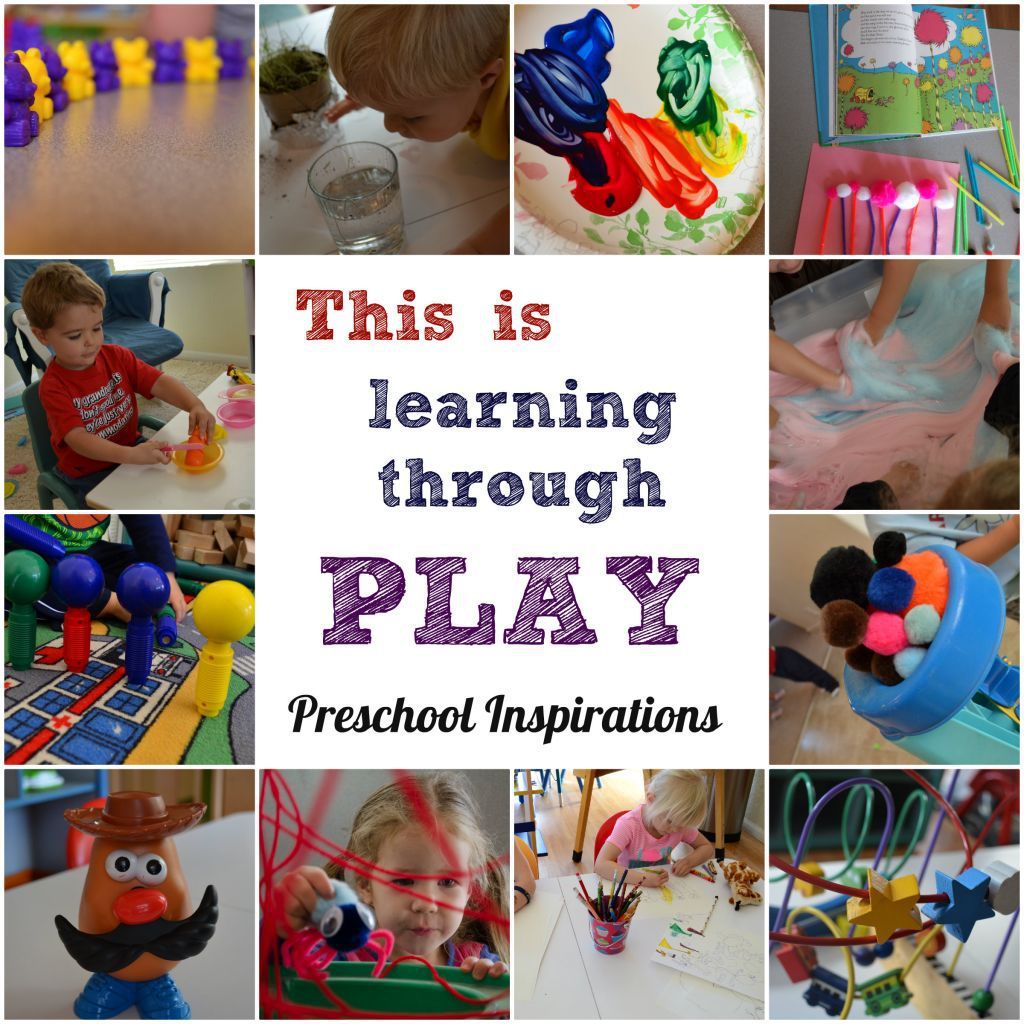
Play-based learning is becoming increasingly popular in alternative schooling and education. This approach to learning allows children to explore, experiment, and discover the world around them through play. Here are ten reasons why play-based learning is beneficial for children:
1. Encourages Creativity: Play-based learning encourages creativity by giving children the freedom to explore their imaginations. They can use toys and materials in different ways and come up with imaginative scenarios.
2. Develops Social Skills: Children learn how to interact with others when they participate in group play activities. They develop social skills such as communication, negotiation, sharing, problem-solving and collaboration.
3. Improves Motor Skills: Play-based learning also helps to improve motor skills by giving children opportunities to practice physical activities like running, jumping, climbing or balancing on objects.
4. Builds Self-esteem: When children engage in self-directed play experiences that they enjoy, it boosts their confidence because they feel a sense of accomplishment from mastering new tasks.
5. Enhances Cognitive Development: Play-based learning stimulates cognitive development because it involves critical thinking skills such as analyzing problems and coming up with solutions using trial-and-error methods.
6. Fosters Emotional Intelligence: Children learn how to regulate their emotions when engaged in play activities that involve decision-making or problem solving together with peers.
7. Promotes Language Development: Through dramatic or pretend-play scenarios where kids take turns talking and listening while playing roles develops language skills like vocabulary building, sentence structure formation etc
8.Provides Opportunities for Learning Across All Subjects- With creative application of games & fun activities educational concepts across all subjects can be introduced making study fun loving experience
9.Encourages A Love For Learning- By providing an enjoyable way of exploring knowledge kids start developing a love for gaining knowledge which turns into lifelong passion
10.Makes Lessons Memorable- The playful nature of these lessons make them more memorable compared to traditional teaching techniques making long term retention better
In conclusion, play-based learning has many benefits for children. It encourages creativity, develops social skills, improves motor skills, builds self-esteem and enhances cognitive development. Additionally, it fosters emotional intelligence and promotes language development while also making education fun and engaging. Therefore play-based learning should be adopted to provide kids with an immersive & joyful learning experience that not only prepares them academically but also helps in their overall personality development
 Alternative Amie
Leave a comment