As a writer and journalist, I’ve had the opportunity to explore various learning styles in different education systems. While traditional schooling may work for some students, it’s essential to acknowledge that every individual has their unique way of understanding and processing information.
Alternative schooling and education often prioritize personalized learning experiences tailored to each student’s strengths and interests. This approach allows students to learn at their own pace while catering to their specific needs and preferences.
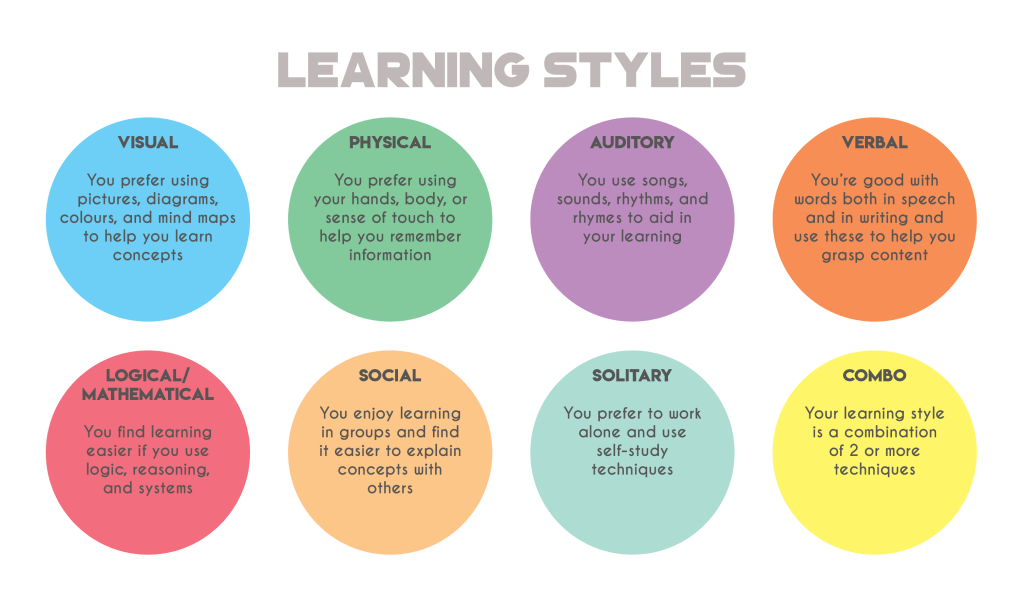
Understanding the various learning styles can help educators, parents, and even students themselves create an optimal environment for effective learning. In this post, we will discuss four primary types of learners: visual, auditory, kinesthetic (tactile), and reading/writing.
Visual Learners
Visual learners understand concepts better through pictures or visual aids such as graphs or diagrams. They are good at recognizing patterns but may struggle with verbal instructions without any visuals.
Educators can incorporate images or videos into lectures or use infographics when teaching complex subjects. Visual learners also prefer organized notes with clear headings and bullet points rather than long paragraphs of text.
Auditory Learners
Auditory learners need oral explanations rather than written ones. These individuals tend to remember information best through music or sound-related activities such as listening exercises or group discussions.
To cater to these learners’ needs, educators should engage in interactive sessions where they explain concepts verbally while allowing time for discussions among peers. Audio recordings can also be helpful tools for auditory learners who want to review lectures later on.
Kinesthetic (Tactile) Learners
Kinesthetic (tactile) learners learn by doing things physically using their hands-on experience instead of passive observation. These individuals thrive when allowed movement while learning; they enjoy hands-on experiences like experiments that allow them to touch objects physically.
Incorporating physical activities into lessons like games that require moving around the classroom or providing opportunities for building things with manipulatives helps tactile learners process new knowledge more effectively.
Reading/Writing Learners
Reading/writing learners tend to learn better by reading texts, taking notes, and writing down key points. These individuals are often comfortable with written instructions and enjoy structured assignments.
To cater to these learners’ needs, educators should provide ample opportunities for note-taking while using concise language when explaining concepts. Written exercises that require the organization of ideas can help them process information effectively.
It’s essential to note that most people possess a combination of these learning styles; some may even have a dominant style while also being able to adapt quickly to different scenarios.
Alternative schools and education systems prioritize individualized learning experiences that can enhance students’ critical thinking skills and creativity. By identifying each student’s learning style, educators can create an environment that nurtures their strengths while working on areas they need improvement in.
For instance, if a teacher recognizes a visual learner in their class who struggles with reading comprehension, they might use graphic organizers or mind maps as study aids. Similarly, tactile learners who struggle with algebraic equations might benefit from physical manipulatives like blocks or counters during math classes.
In conclusion, understanding the various types of learning styles is crucial for effective teaching and personal growth. Alternative schools offer personalized learning environments tailored to each student’s unique needs and preferences. It is up to educators and parents alike to identify individual learning styles so students can thrive academically while developing valuable life skills such as self-awareness and adaptability.
 Alternative Amie
Leave a comment