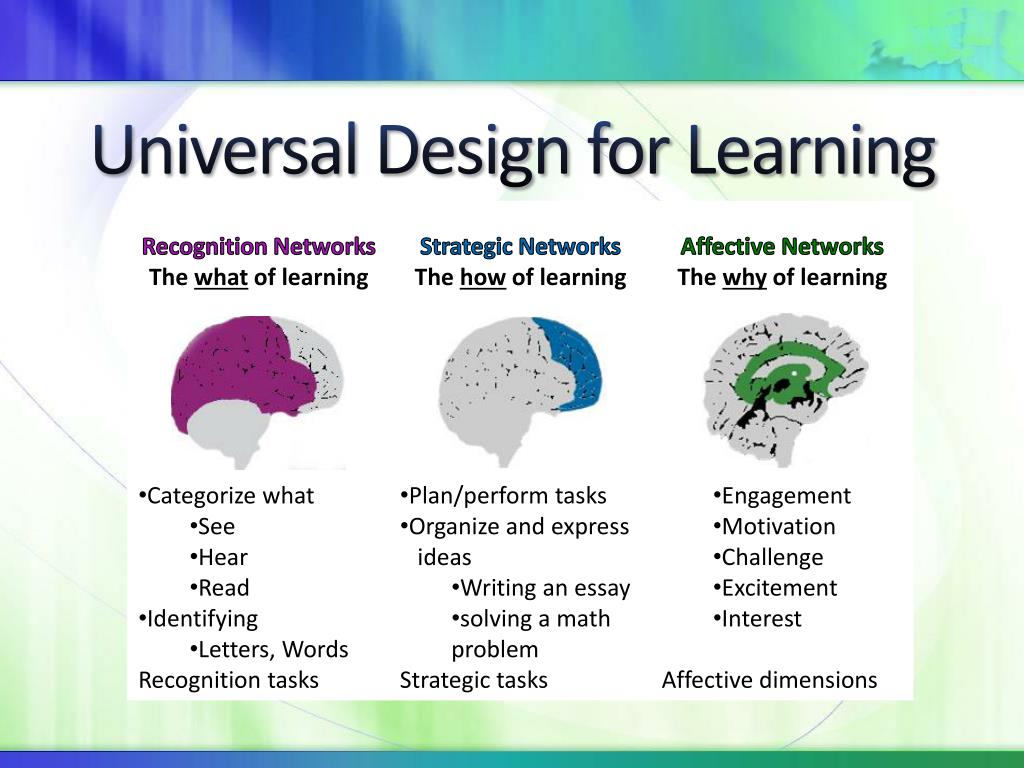
As our world becomes increasingly diverse, it is imperative that we develop educational methods that can cater to the needs of all learners. Universal Design for Learning (UDL) is an approach to education that aims to provide every student with equal learning opportunities and experiences, regardless of their ability level, background or learning style.
UDL has three main principles: representation, expression and engagement. Representation refers to how information is presented to students; expression concerns how they can show what they have learned; and engagement relates to how motivated and interested students are in the learning process.
The first principle of UDL – representation – involves providing multiple ways for students to access information. This means offering materials in different formats such as text, audio or visual aids. For example, teachers might use videos, graphics or interactive whiteboards instead of just relying on textbooks. This ensures that all learners can understand the material, no matter their individual strengths or weaknesses.
The second principle – expression – focuses on enabling students to demonstrate their knowledge in various ways by providing them with a range of options for assessment. Some may prefer writing essays while others may be more comfortable giving presentations or creating multimedia projects. By allowing this flexibility in assessments, UDL promotes creativity and allows students to showcase their skills.
Finally, the third principle – engagement – emphasizes making learning interesting and relevant so that all students feel motivated to learn actively participate in class activities. Engagement strategies may include project-based assignments where students apply concepts learned in real-world situations or using technology tools like online quizzes/games as part of lesson plans.
Overall, UDL offers many benefits over traditional educational approaches because it recognizes the diversity among learners and accommodates them accordingly. It also helps teachers create inclusive classrooms where every student feels valued and supported regardless of differences.
In conclusion, Universal Design for Learning (UDL) provides educators with a framework for designing instruction aimed at meeting the needs of all learners through flexible teaching methods tailored towards each student’s individual strengths and weaknesses. By using UDL, educators can create inclusive classrooms that promote student success by providing equal opportunities for all students to learn, grow and excel in their academic pursuits.
 Alternative Amie
Leave a comment