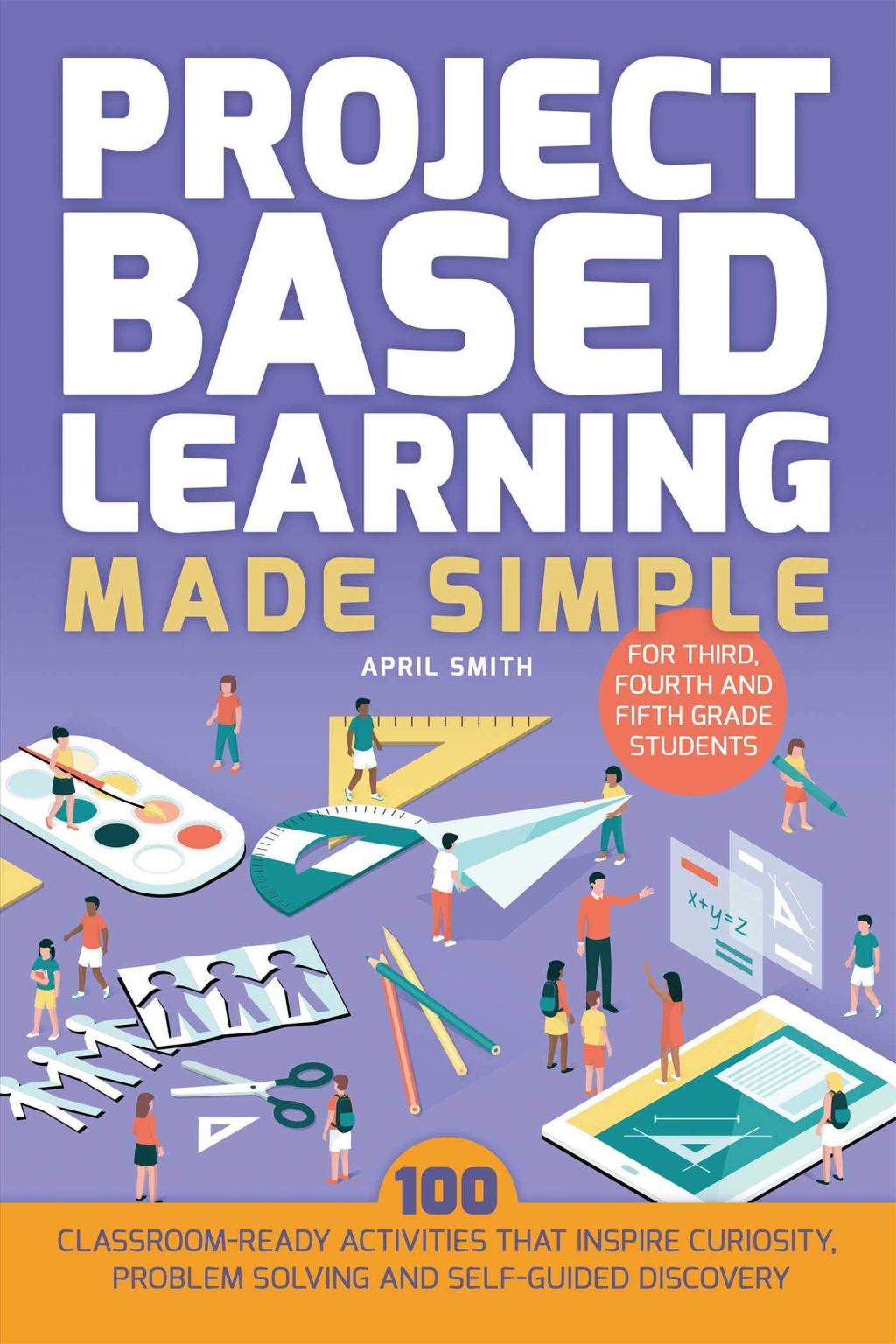
As more and more schools struggle to engage students in their learning, a new approach has emerged: project-based learning (PBL). PBL is a teaching method where students work on projects that are designed to help them learn skills and knowledge relevant to the real world. This method of teaching has been around for over 100 years but recently it’s gained popularity as an alternative approach.
In project-based learning, students work on projects that are often interdisciplinary and require collaboration with others. The projects can be based on anything from science experiments to historical reenactments, but they all have one thing in common: they involve hands-on learning. Students learn by doing rather than just listening or reading about something.
One benefit of PBL is that it helps students develop important skills such as critical thinking, problem-solving, communication, and collaboration. These skills are essential for success in the workforce as well as everyday life.
Another benefit of PBL is that it allows students to take ownership of their own learning. Instead of just memorizing information for a test, they are actively engaged in the process of discovering new knowledge and applying it to real-world situations.
But project-based learning isn’t without its challenges. One challenge is that it requires skilled teachers who can guide students through the process effectively. Teachers must create meaningful projects that align with curriculum standards while also being engaging enough to keep students motivated throughout the entire process.
Another challenge is assessment. Traditional assessments like tests and quizzes may not accurately measure what students have learned through project-based learning activities. Teachers need to find alternative ways to assess student progress such as rubrics or portfolios.
Despite these challenges, many educators believe that project-based learning is worth implementing because it offers so many benefits for both teachers and students alike.
One example of successful implementation comes from High Tech High School located in San Diego County which has become famous for its use of PBL practices across all subjects areas including math and science courses. Students at High Tech High work on a variety of projects such as designing and building robots, creating documentaries about local social issues, and even starting their own businesses.
The success of PBL is not just limited to high schools. Many elementary schools have also started implementing project-based learning in their classrooms with great results. For example, one school in California had second-grade students design and build a “Great Wall of Kindness” using recycled materials to promote kindness on campus.
Project-based learning has also been successful in alternative schooling environments such as homeschooling or non-traditional programs for children who have struggled academically or behaviorally in traditional settings.
Overall, project-based learning offers an exciting way for students to engage with the curriculum while developing important skills that will prepare them for the real world. While it may present some challenges, many educators believe that these are outweighed by the benefits gained through this approach to teaching and learning.
 Alternative Amie
Leave a comment