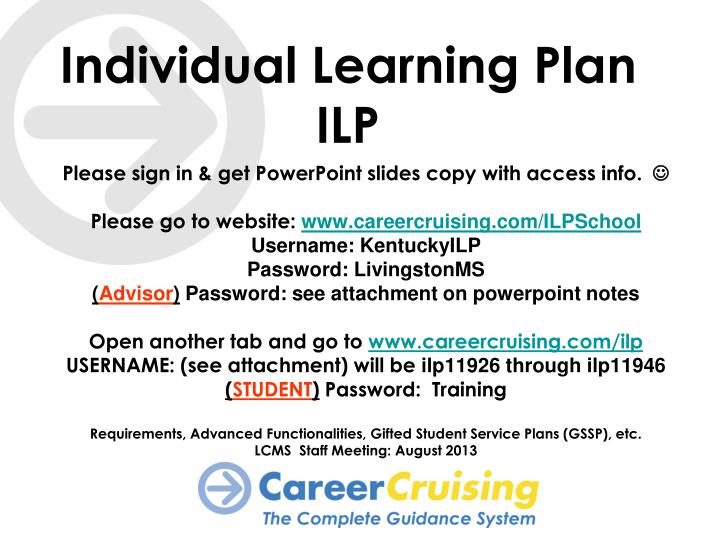
In traditional classrooms, students are usually taught the same lessons in the same way. However, we all know that every child is unique and has different strengths and weaknesses. Some students learn better through visual aids while others prefer hands-on activities. This is where individualized learning plans (ILPs) come into play.
An ILP is a personalized plan designed to meet the specific needs of each student. It takes into account their interests, learning styles, and abilities to create a tailored curriculum that will help them succeed academically and personally.
The main goal of an ILP is to provide students with a customized education experience that meets their individual needs while also helping them achieve academic success. By understanding how each student learns, teachers can develop lesson plans that cater to their strengths while also working on areas where they struggle.
One of the key benefits of an ILP is its ability to increase engagement among students. When students are engaged in their own learning process, they are more likely to be motivated and invested in achieving their goals. They have ownership over their education which leads to greater self-confidence and independence.
Another benefit of an ILP is its flexibility. Students who require additional time or resources for certain subjects can receive it through this personalized approach without being held back by traditional classroom structures or schedules.
For example, if a student struggles with reading comprehension but excels in mathematics, an ILP would allow them to focus more on improving their reading skills while still keeping up with math coursework at a pace that suits them best.
Additionally, since no two students are alike, it’s only natural that there will be differences in how quickly they progress through various topics. An ILP allows for adjustments based on each student’s pace so they don’t feel rushed or left behind by other classmates who may be ahead of them on certain topics
Furthermore, when educators use data-driven approaches like those enabled by technology-based Individualized Learning Plans (iLP), they can make learning more effective for students. They can track their progress and identify areas where they need extra support or resources. This helps to ensure that each student is getting the help they need when they need it.
One of the most important aspects of an ILP is its ability to foster a positive relationship between teachers and students. When teachers take the time to understand each student’s unique needs, it creates a sense of trust and respect that can lead to better communication and collaboration throughout their academic journey.
In conclusion, individualized learning plans are becoming increasingly popular in alternative schooling and education settings due to their effectiveness in providing customized education experiences for students. By taking into account each child’s unique needs, interests, strengths, and weaknesses educators can create tailored curriculums that improve engagement levels among pupils while also fostering self-confidence and independence. Flexibility is another key benefit of iLPs as well as data-driven approaches which enable educators to track progress effectively across various subjects. Finally, iLPs facilitate better communication between teachers and students thereby creating stronger relationships throughout academic journeys.
 Alternative Amie
Leave a comment